Your cart is empty
 Short Rigid Couplings
 Controlflex Couplings
 Jaw Couplings
 Oldham Couplings
 Bearing Locknuts – TCN
 Double Wide Shaft Collars
 Heavy Duty Shaft Collars
 International Series Shaft Collars
 Keyed Shaft Collars
 Mountable Shaft Collars
 Quick Clamping Shaft Collars
 Set Screw Shaft Collars
 Thin Line Shaft Collars
 Threaded Shaft Collars – Pacific International Bearing Products
 Two-Piece Shaft Collars
 Friction Bearing Universal Joints
 Needle Bearing Universal Joints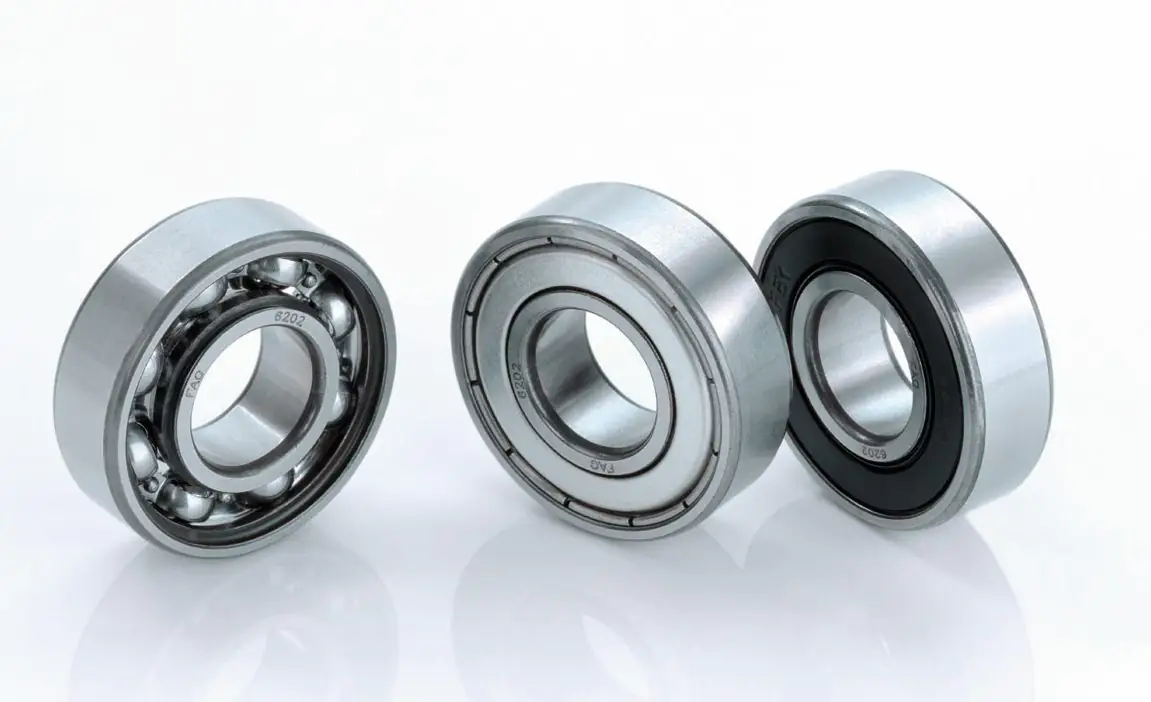
Bearings
Do Ball Bearings Reduce Friction?
02 August, 2026
12 min read
Ball bearings are often used for reducing friction within a mechanical assembly. Bearings can be categorized into three basic types:
- Ball
- Roller
- Plain (friction type)
Key Takeaways
- Ball bearings reduce friction by replacing sliding contact with rolling contact between moving components.
- Lower friction improves energy efficiency, reduces heat generation, minimizes wear, and extends equipment service life.
- Proper lubrication, bearing clearance, precision manufacturing, and correct installation all influence friction performance.
- Ball bearings are best suited for high-speed, low-to-moderate load applications, while roller bearings typically carry heavier loads.
- Selecting the correct bearing type is just as important as selecting the correct bearing size.
Ball & Roller
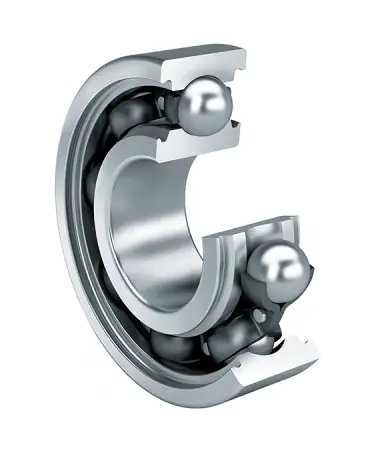
Ball and Roller bearings are classified as anti-friction bearings because they rely on a rolling element between two surfaces to reduce friction. The anti-friction component is the rolling element of either a ball or roller. Antifriction bearings are designed to withstand both radial and axial loads. Antifriction bearings are universally applied in many applications and specifically are used in electric motors, machine tool spindles, gearboxes, and other high-speed rotating equipment parts.
Essential components of anti-friction bearings consist of an inner ring, an outer ring, and a rolling element. Usually, these bearings have a retainer or separator cage although some full complement bearings do not have a separator cage. The retainer can be made from strip steel, bronze, phenolic, and polyamide. Theoretically, ball bearings have a point of contact and roller bearings have line contact between the inner and outer rings.
Antifriction bearings generally ball and roller provide the vast majority of solutions in most applications.
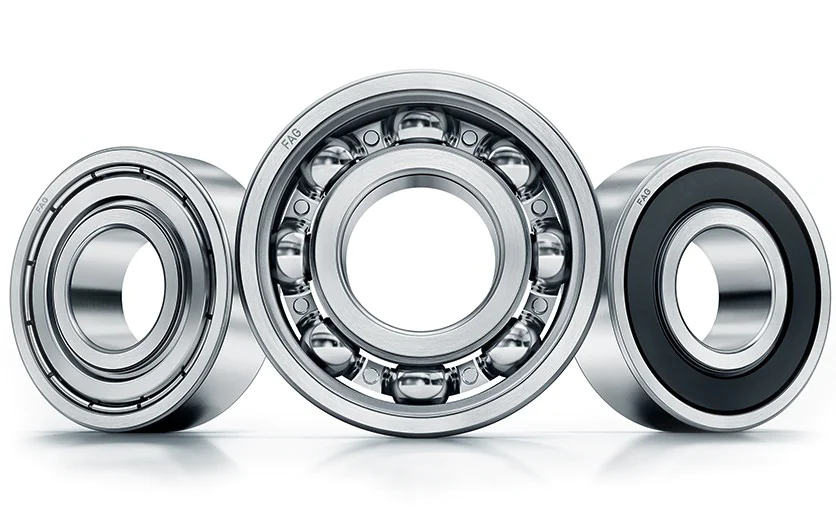
Roller bearings are more suitable for applications where vibration or shock is present. Ball bearings are suitable in most common applications accommodating both high and low speeds where required. Standard radial ball bearings can be divided into two types: single row and double row. Angular contact ball bearings that are ABEC 7 or 9 are normally used in pairs and are specified for use in high-speed machine tool spindles. Standard angular contact ball bearings with 40-degree contact angles are commonly used in agricultural pumps.
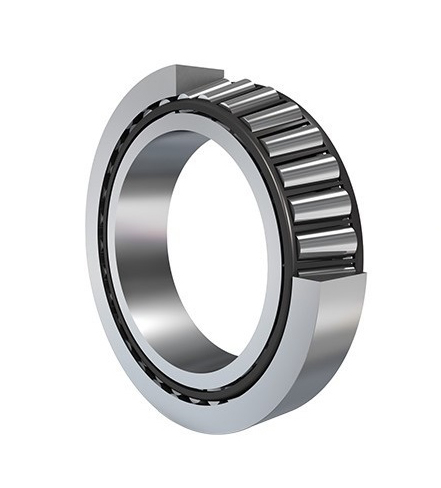
Tapered roller bearings are designed to withstand both axial and radial loads.
What makes anti-friction bearings unique is the rolling element which reduces friction. Adding lubrication either oil or grease contributes to reducing friction in ball bearings. Oil provides a layer between moving parts which helps decrease the amount of energy needed and therefore less friction.
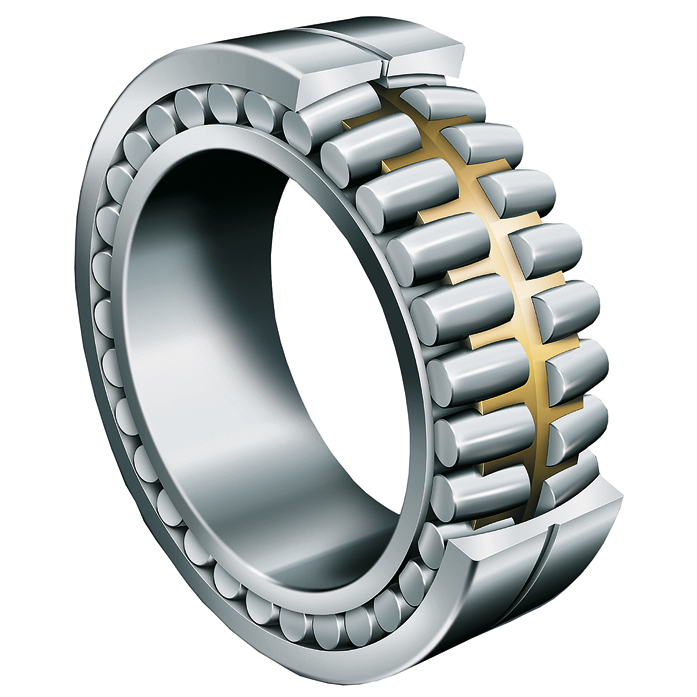
Ball and roller bearings have a rolling element as the primary way to reduce friction between two surfaces. The ball or rolling element travels along the raceway or pathway designed into the outer and inner ring. The ball retainer or separator also reduces friction between the balls allowing for free travel and less heat generation. Closely toleranced bearing components and high-grade balls reduce friction as operation is more precise. Proper selection of the best lubricant can be a major factor in bearing operation, friction reduction and can increase the life of the bearing. The internal clearance in the bearing is a function of ball selection, size of the ball, and bearing retainer type.
The ideal clearance for a bearing under load and installed properly in its housing and on the shaft is zero. The design of the bearing to be optimal means proper sizing, correct type and amount of lubrication, internal clearance, correct enclosure chosen, whether seals, shields, or open, and specifying the correct tolerance for fit and function.
Why Friction Matters in Mechanical Systems
Friction is one of the primary causes of energy loss in rotating machinery. As two surfaces slide against each other, they generate heat, wear, vibration, and material fatigue. Excessive friction can reduce efficiency, increase maintenance costs, and shorten the operating life of equipment.
Ball bearings are specifically engineered to minimize these losses by converting sliding friction into rolling friction, which requires significantly less force to maintain motion.
Reducing friction provides several important benefits:
- Lower operating temperatures
- Reduced component wear
- Higher mechanical efficiency
- Lower energy consumption
- Less vibration and noise
- Longer equipment service life
- Reduced maintenance costs
How Do Ball Bearings Reduce Friction?
Ball bearings are designed to reduce friction. Ball Bearings offer an array of design choices to optimize design performance in applications.
When looking for ball bearings it is a good practice to follow these guidelines:
- Know the shaft dimensions and build the bearing design from there.
- Look at all the load and speed options based on your envelope dimensions before deciding on which type of bearing you choose.
- Choose the bearing from a reputable brand such as SKF, NTN, NSK, NMB, TPI, NB, PIB, TIMKEN, FAG, Schaeffler Group, Barden, Torrington.
- Don’t design bearings based on price. Don’t buy bearings manufactured in China unless you thoroughly test and certify the supplier on an annual basis.
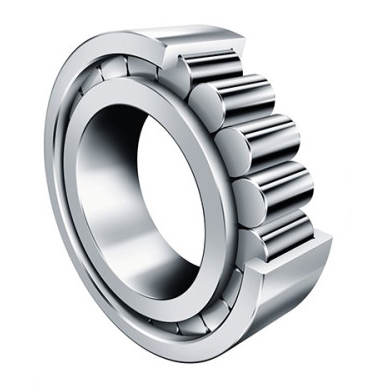
Finding the right ball-bearing supplier is essential to the long-term success of your application. By selecting PIB as your supplier, your company can take advantage of unlimited manufacturing engineering expertise to select the best fit for your design.
Factors That Affect Bearing Friction
Not every ball bearing operates with the same level of friction. Several design and operating factors influence overall performance.
Lubrication
Proper lubrication is one of the most important factors affecting bearing efficiency.
Using the correct lubricant helps:
- reduce friction
- dissipate heat
- prevent corrosion
- extend bearing life
Bearing Load
Excessive loads increase rolling resistance and generate additional heat. Selecting a bearing with the correct dynamic load rating is essential for reliable operation.
Operating Speed
High rotational speeds require bearings designed specifically for high-speed applications, often using optimized cage materials and precision manufacturing.
Internal Clearance
Incorrect clearance can lead to excessive preload or unstable operation, both of which increase friction.
Bearing Quality
High-quality bearings manufactured to tighter tolerances generally operate with lower friction, improved accuracy, and longer service life.
Frequently Asked Questions
Do ball bearings eliminate friction completely?
No. Ball bearings significantly reduce friction but cannot eliminate it entirely. Rolling resistance, lubricant viscosity, seal drag, and bearing preload all create small amounts of friction.
Why do ball bearings reduce friction better than plain bearings?
Because rolling contact requires much less force than sliding contact, reducing heat generation and mechanical wear.
Does lubrication reduce bearing friction?
Yes. Proper lubrication forms a protective film between the rolling elements and raceways, reducing wear, preventing metal-to-metal contact, and lowering operating temperatures.
Which bearing has the lowest friction?
Deep groove ball bearings typically provide some of the lowest friction among rolling-element bearings, making them ideal for high-speed applications.
Can ball bearings reduce energy consumption?
Yes. Lower friction means less power is required to rotate machinery, improving energy efficiency and reducing operating costs.
What increases friction inside a ball bearing?
Poor lubrication, contamination, excessive preload, incorrect installation, damaged raceways, and bearing overload are among the most common causes.
Looking for the Right Low-Friction Bearing Solution?
Reducing friction starts with selecting the right bearing for your application. Whether you’re designing new equipment, replacing an existing bearing, or optimizing machine performance, choosing the correct bearing can improve efficiency, extend service life, and reduce maintenance costs.
At PIB Sales, our Certified Bearing Specialists help engineers and OEMs identify the best bearing solution based on operating conditions, load requirements, speed, lubrication, and environmental factors.
Why engineers choose PIB Sales:
- Expert bearing selection assistance
- OEM cross-reference and replacement support
- Access to leading global bearing manufacturers
- Technical guidance for complex industrial applications
- Fast quotations and worldwide shipping
Need help selecting the right bearing?
Contact our bearing specialists today for expert recommendations, cross-reference assistance, or a custom quote tailored to your application.
PIB partners with world renown and cutting-edge manufacturers in the bearing industry including SKF, Kaydon, FAG, INA, NMB, TPI, Schaeffler, Barden, Timken, and others. PIB ships worldwide and provides the OEM customer the ability to design, purchase prototypes, download engineering data and manage all their purchases online.
Contact PIB today with your bearing project to see how we can help.
1
/
1