Your cart is empty
 Short Rigid Couplings
 Controlflex Couplings
 Jaw Couplings
 Oldham Couplings
 Bearing Locknuts – TCN
 Double Wide Shaft Collars
 Heavy Duty Shaft Collars
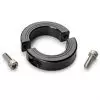 International Series Shaft Collars
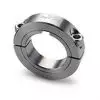 Keyed Shaft Collars
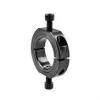 Mountable Shaft Collars
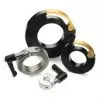 Quick Clamping Shaft Collars
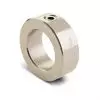 Set Screw Shaft Collars
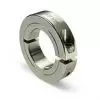 Thin Line Shaft Collars
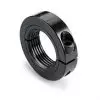 Threaded Shaft Collars – Pacific International Bearing Products
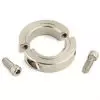 Two-Piece Shaft Collars
 Friction Bearing Universal Joints
 Needle Bearing Universal Joints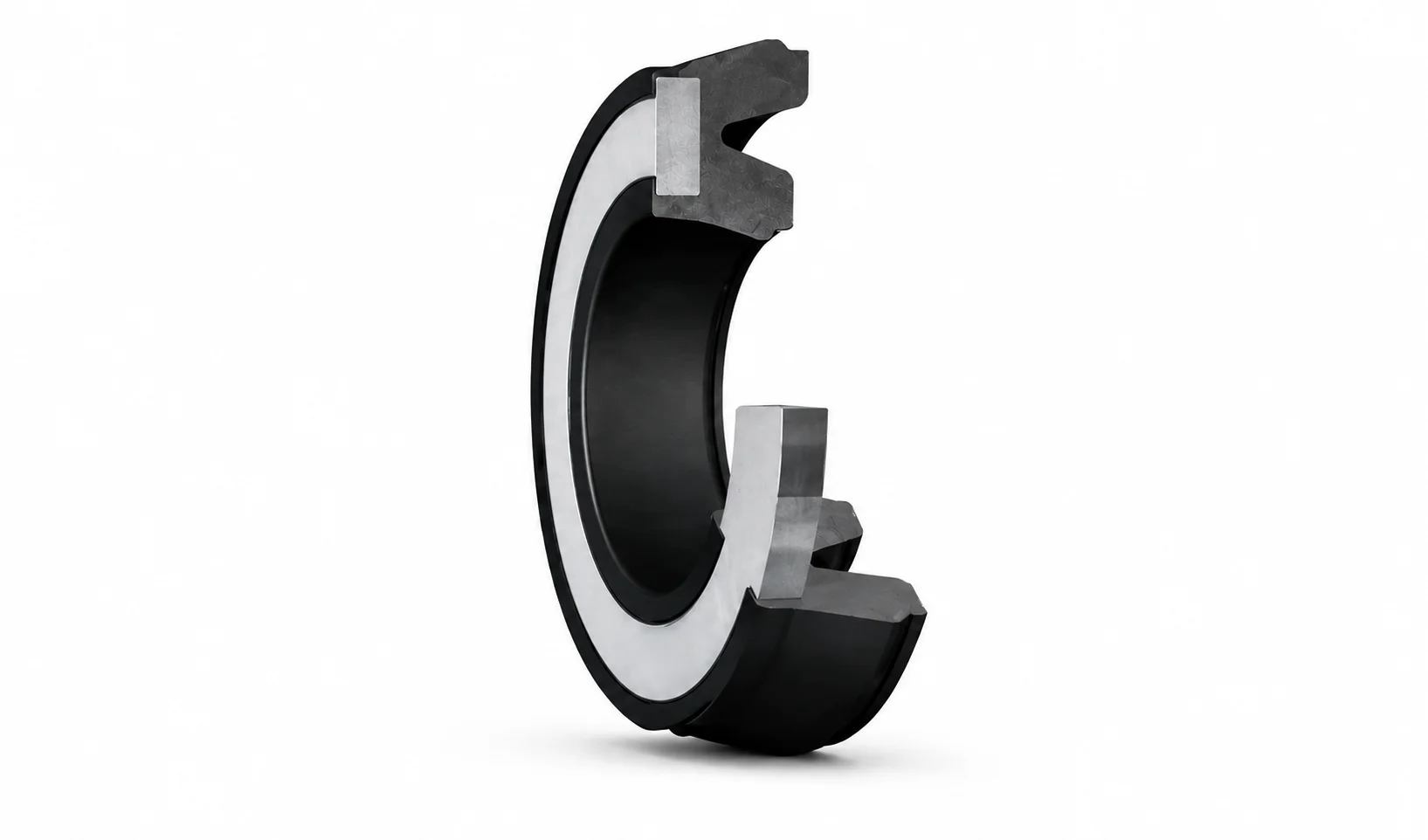
Bearings
Magnetic Gas Spring Seals: What Determines Performance and Service Life
12 August, 2026
23 min read
A gas spring may appear to be a straightforward cylinder-and-rod assembly, but its performance depends heavily on the sealing system inside the cylinder head. The seals must retain pressurized gas, control lubrication, exclude contamination, and allow the piston rod to move without excessive friction.
When a gas spring also uses magnetic sensing, positioning, or retention features, the same sealing fundamentals still apply. The magnetic component may influence packaging, material selection, and contamination management, but the rod seal, wiper, guide, and static seals continue to determine whether the spring maintains force and operates consistently.
Pacific International Bearing Sales works with customers who need components selected around actual operating conditions, not simply matched by size. For gas spring applications, rod condition, pressure, temperature, alignment, cycle frequency, contamination, and lubricant compatibility all affect seal life.
How a Gas Spring Produces Force
A gas spring uses compressed gas inside a sealed cylinder to generate extension force. A piston connected to the rod moves through the cylinder while internal passages allow gas to transfer between chambers.
As the rod enters the cylinder, it reduces the available gas volume. Pressure rises, increasing the spring force. Many designs also contain a controlled amount of oil for lubrication and end-of-stroke damping.
The sealing system must contain this pressure while the rod repeatedly moves through the cylinder head. That creates a demanding combination of operating conditions:
- High internal gas pressure
- Reciprocating rod movement
- Very low allowable leakage
- Controlled breakaway and running friction
- Long periods in a fixed position
- Exposure to moisture, dust, road film, or process debris
- Changes in temperature and operating speed
A seal with insufficient contact pressure may allow gradual gas loss. A seal with excessive contact pressure can create high friction, stick-slip movement, rod wear, and poor response under light loads.
The objective is not to make the seal as tight as possible. It is to retain pressure while maintaining smooth and repeatable motion.
The Gas Spring Sealing System
The term “gas spring seal” often describes a complete group of components rather than a single sealing lip. Depending on the design, the cylinder head may include a dynamic rod seal, wiper, guide element, static seal, support ring, and lubricant-control features.
Each component serves a separate purpose.
Dynamic Rod Seal
The dynamic rod seal retains pressure around the moving piston rod. It must follow the rod surface closely enough to limit gas and oil migration without creating excessive drag.
Seal geometry is especially important. Contact pressure must be high enough to maintain the sealing line but controlled enough to prevent chatter, high breakaway force, or accelerated rod wear.
Wiper
The wiper removes contaminants from the rod before they reach the pressure seal and guide.
In clean indoor equipment, contamination may be limited. In automotive, agricultural, material-handling, or general industrial applications, the rod may be exposed to dirt, water, metal particles, fibers, and dried process material.
Once abrasive debris passes the wiper, it can damage both the rod surface and the primary seal.
Rod Guide
The guide supports the piston rod and helps maintain alignment as the rod moves through the cylinder head.
This is a critical distinction: the pressure seal is designed to seal. It should not be expected to support substantial lateral loads or correct a misaligned installation.
If the guide wears or the rod is forced sideways, the seal lip experiences uneven pressure. Friction increases, wear becomes concentrated on one side, and leakage can follow.
Static Seals
Static seals close the nonmoving interfaces between the head, cylinder tube, end cap, and other housing components.
Although they do not slide against the rod, they still need to resist internal pressure, lubricant exposure, temperature changes, and long-term compression.
Support and Backup Elements
Support rings and harder guide materials may be used where internal pressure and component clearances could force a softer sealing material into a gap.
Proper support helps the seal retain its intended profile and reduces the risk of extrusion, cutting, and permanent deformation.
Magnetic Features and Contamination Control
A magnetic feature does not replace the mechanical sealing system. It may be used for position sensing, stroke detection, retention, or another assembly function, while conventional seals continue to retain gas and control rod movement.
The location of the magnetic component can still affect seal reliability.
If a magnet attracts ferrous particles toward the exposed rod or cylinder head, debris may collect near the wiper. As the rod moves, those particles can be pulled across the sealing surface and increase abrasive wear.
This does not make a magnetic gas spring inherently unreliable. It means the design should account for the operating environment.
Important considerations include:
- Magnet location relative to the moving rod
- Exposure to steel dust, machining debris, or other ferrous particles
- Wiper design and contact pressure
- Use of protective boots or rod covers
- Accessibility for cleaning
- Rod corrosion protection
- The influence of nearby magnetic materials on sensor performance
Preventing contamination from reaching the seal is more effective than expecting the pressure seal to tolerate abrasive particles over repeated cycles.
Why Piston Rod Condition Matters
The piston rod forms one side of the dynamic sealing interface. Even a properly designed seal will not perform well against a damaged, corroded, or poorly finished rod.
Surface Finish
The rod surface must be smooth enough to avoid cutting the seal while retaining a thin lubricant film for controlled movement.
A rough rod can abrade the sealing lip. An unfavorable surface texture may also carry lubricant or contamination across the sealing line.
The direction of machining marks matters as well. A surface that appears smooth visually can still promote leakage or premature wear if its texture moves fluid toward the outside of the cylinder.
Hardness and Wear Resistance
Repeated seal contact can wear a soft rod surface. Harder materials and suitable coatings may improve durability, provided the surface remains smooth, continuous, and compatible with the seal material.
A worn or flaking coating can quickly damage a new seal.
Straightness and Alignment
A bent rod or misaligned mounting arrangement forces the rod against one side of the guide and seal.
This creates uneven loading, concentrated wear, higher friction, and potential scoring. Replacing the seal alone will not correct the underlying alignment problem.
Corrosion and Physical Damage
Small corrosion pits, scratches, and tool marks can interrupt the sealing line. The defect may look minor, but the seal passes over the damaged area during every stroke.
Over time, the edge of a pit or scratch can wear the sealing lip and create a consistent leakage path.
Choosing the Seal Material
No single seal material is suitable for every gas spring. Selection depends on temperature, pressure, lubricant, contamination, cycle rate, friction requirements, and expected service life.
Nitrile Elastomers
Nitrile compounds are commonly used where oil compatibility, general industrial performance, and practical cost are important.
Their suitability depends on the specific compound, particularly when the application includes low temperatures, sustained heat, or unusual lubricants.
Hydrogenated Nitrile Elastomers
Hydrogenated nitrile materials may provide improved resistance to heat, oxidation, and mechanical wear compared with conventional nitrile compounds.
They may be appropriate where the gas spring operates at higher temperatures or under more demanding cycle conditions.
Fluoroelastomers
Fluoroelastomers may be considered for elevated temperatures or exposure to certain chemicals and lubricants.
Their low-temperature flexibility and friction characteristics must still be reviewed. High temperature capability alone does not make them the best choice for every application.
Polyurethane
Polyurethane materials can provide strong wear and extrusion resistance. They may be useful where abrasion, pressure, or mechanical durability is a concern.
Temperature range, moisture exposure, hydrolysis resistance, lubricant compatibility, and friction must all be considered.
PTFE-Based Materials
PTFE-based sealing elements can provide low friction and broad chemical resistance. Because PTFE does not recover like a conventional elastomer, the seal may require an energizing element to maintain contact with the rod.
These materials can perform well in controlled designs, but they depend on proper hardware, surface finish, and installation.
Material family names are only a starting point. Compounds within the same family can behave differently after prolonged exposure to heat, pressure, oil, water, and cleaning chemicals.
Friction Is as Important as Leakage
Seal discussions often focus on pressure retention, but friction has a direct effect on gas spring performance.
A seal with excessive friction may require substantially more force to begin moving than it needs once motion has started. This is commonly experienced as high breakaway resistance.
The result may include:
- Delayed movement
- Stick-slip behavior
- Uneven opening or closing
- Poor response to small load changes
- Higher loads on hinges and mounting brackets
- Additional demand on powered actuators
- Accelerated seal and rod wear
Friction may also increase after the gas spring remains stationary. The seal can settle against the rod, lubricant can redistribute, and the first movement may require more force than later strokes.
In applications using two gas springs, inconsistent friction can cause one side to move before the other. This places additional stress on the structure, mounting points, and connected equipment.
The correct seal system maintains pressure while keeping breakaway and running friction stable over time.
Side Loading Shortens Seal Life
Gas springs are designed to operate primarily along the axis of the piston rod. Misaligned brackets, worn pivots, weak mounting structures, or an incorrect installation angle can introduce lateral force.
When side loading occurs, the rod presses against one side of the guide and seal.
The failure pattern is usually progressive:
1) Side load increases guide contact and friction.
2) Guide wear develops unevenly.
3) The rod begins to score or polish on one side.
4) Seal contact pressure becomes uneven.
5) Friction and breakaway force increase.
6) Gas or oil leakage begins.
A replacement seal may provide a temporary improvement, but the same failure will return if the mounting arrangement is not corrected.
The gas spring should be able to pivot freely and follow its intended line of motion without binding.
Temperature Affects the Complete System
Temperature changes the gas pressure inside the cylinder, which affects output force. It also changes seal hardness, lubricant viscosity, breakaway friction, and component clearances.
At low temperatures, an unsuitable elastomer may become harder and less responsive. Thicker lubricant can further increase movement resistance.
At elevated temperatures, the seal may soften, age more quickly, or lose part of its long-term contact force. Lower lubricant viscosity can change the film at the rod interface and increase the risk of leakage or wear.
A gas spring that performs well during room-temperature testing may behave differently in:
- Outdoor vehicles
- Refrigerated equipment
- Heated enclosures
- Industrial machinery near heat sources
- Applications with frequent temperature cycling
Normal operating temperature, cold-start temperature, storage temperature, and exposure duration should all be considered.
What Happens When the Wrong Seal Is Used
An unsuitable seal does not always fail immediately. Performance often changes gradually.
The gas spring may become slower to respond. Breakaway force may increase. A light oil film may appear on the rod. A cover may no longer remain in position, or paired gas springs may begin moving at different rates.
As the condition progresses, the application may experience:
- Reduced extension force
- Inconsistent movement
- Visible oil leakage
- Rod scoring
- Seal lip damage
- Higher operating noise
- Premature guide wear
- Contamination inside the cylinder head
- More frequent gas spring replacement
Using the correct seal system produces a clear practical improvement. Motion becomes more repeatable, pressure is retained longer, contamination is better controlled, and the gas spring is less likely to become an unexpected maintenance item.
The difference is not simply a longer-lasting seal. It is more predictable equipment performance and fewer interruptions caused by gradual force loss or erratic movement.
Common Causes of Premature Seal Failure
Most early gas spring seal failures can be traced to a limited group of operating or installation conditions.
- Contaminated Rod Surface
Dust, metal fines, road debris, fibers, and dried process material can pass beneath the wiper and damage the sealing interface. Magnetic components may make this problem worse if they attract ferrous particles toward the rod.
- Damaged Piston Rod
Scratches, corrosion, dents, and coating defects can cut the seal lip or create direct leakage paths. Installing a new seal against a damaged rod rarely produces a reliable repair.
- Excessive Side Load
Misalignment overloads the guide and forces the seal to operate with uneven contact pressure. The rod, guide, mounting brackets, and pivot points should be checked together.
- Material Incompatibility
A seal may swell, harden, soften, crack, or lose strength after exposure to an incompatible lubricant, cleaning agent, or environmental chemical.
Compatibility should be evaluated over the expected operating life, not only after short-term contact.
- Incorrect Seal Geometry
A seal intended for a different pressure, rod diameter, gland, or movement profile may not maintain the correct contact pattern.
A component that can be installed physically is not necessarily suitable for the application.
- Inadequate Lubrication
Too little lubrication increases friction, heat, and wear. Excess lubricant may migrate outside the assembly or interfere with consistent movement.
Lubricant type and volume need to work with the seal material, rod finish, speed, and temperature.
- Assembly Damage
Burrs, sharp edges, exposed threads, incorrect tools, or installation in the wrong direction can damage the sealing lip before the gas spring is pressurized.
An assembly defect may not become visible until the component has completed several cycles.
- Excessive Speed or Cycle Frequency
High rod speed and frequent cycling generate heat at the sealing interface. This can change friction, accelerate material aging, and reduce lubricant film stability.
Seal material, guide design, rod finish, and lubricant must be evaluated as a complete system.
Improving Gas Spring Reliability
Longer gas spring life usually comes from controlling several practical details rather than relying on one premium seal material.
The most effective steps include:
- Protect the piston rod from impact, corrosion, and overspray.
- Keep the rod clean without using chemicals that attack the seal.
- Confirm that mounting points allow the gas spring to align freely.
- Prevent nearby components from rubbing against the rod.
- Use a wiper suited to the actual contamination level.
- Review lubricant and seal compatibility together.
- Protect sealing lips from sharp edges during assembly.
- Inspect rod condition before installing a replacement seal.
- Correct side loading before replacing failed components.
- Include temperature and cycle rate in the design review.
- Check whether magnets can collect ferrous debris near the sealing area.
These steps improve more than pressure retention. They also improve repeatability, reduce breakaway variation, and help the gas spring deliver consistent force throughout its operating life.
Frequently Asked Questions About Magnetic Gas Spring Seals
What is a magnetic gas spring seal?
The term usually refers to the sealing system used in a gas spring that also includes a magnetic sensing, positioning, or retention feature. The magnet does not normally replace the mechanical seal. Pressure retention still depends on the rod seal, wiper, static seals, guide components, and the condition of the piston rod.
Does the magnetic feature affect seal performance?
It can, particularly in environments containing steel dust, machining particles, or other ferrous debris. A magnet positioned near the rod or cylinder head may attract particles toward the wiper. If those particles are carried across the rod during operation, they can increase abrasive wear on the rod and sealing lip.
The effect depends on the location of the magnet, the level of contamination, and the protection provided by the wiper, boot, or rod cover.
What causes a gas spring to lose pressure?
Pressure loss may result from wear or damage to the dynamic rod seal, deterioration of a static seal, rod corrosion, scratches, side loading, material incompatibility, or assembly damage.
A gas spring can also lose performance gradually. Early signs may include reduced extension force, increased breakaway resistance, uneven motion, or a light oil film on the piston rod.
Is a small amount of oil on the rod normal?
A very thin lubricant film may be present because the rod seal needs lubrication to operate smoothly. However, visible oil accumulation, droplets, or repeated wetting of the rod may indicate excessive lubricant migration or seal damage.
The condition should be evaluated together with changes in force, movement, noise, and rod condition.
Final Considerations
Gas spring seals operate in a small space, but they influence nearly every part of gas spring performance. They retain the gas charge, control lubricant, exclude contamination, support smooth rod movement, and help preserve predictable extension force.
In magnetic gas spring assemblies, the position of magnets and sensors should also be considered. Ferrous contamination, nearby magnetic materials, and component packaging can affect both seal life and sensing reliability.
A seal that simply fits may perform during initial testing. A seal selected around pressure, rod condition, alignment, temperature, friction, lubrication, and contamination is more likely to keep working after repeated cycles.
The PIB online catalog provides a practical starting point for reviewing available bearings and motion-control components, comparing specifications, and preparing a quote request. For applications involving gas springs or specialized sealing requirements, PIB can also help evaluate the operating conditions and identify an appropriate component and sourcing path.
Contact us at 1(800) 228-8895 or visit our website at www.pibsales.com.