Your cart is empty
 Short Rigid Couplings
 Controlflex Couplings
 Jaw Couplings
 Oldham Couplings
 Bearing Locknuts – TCN
 Double Wide Shaft Collars
 Heavy Duty Shaft Collars
 International Series Shaft Collars
 Keyed Shaft Collars
 Mountable Shaft Collars
 Quick Clamping Shaft Collars
 Set Screw Shaft Collars
 Thin Line Shaft Collars
 Threaded Shaft Collars – Pacific International Bearing Products
 Two-Piece Shaft Collars
 Friction Bearing Universal Joints
 Needle Bearing Universal Joints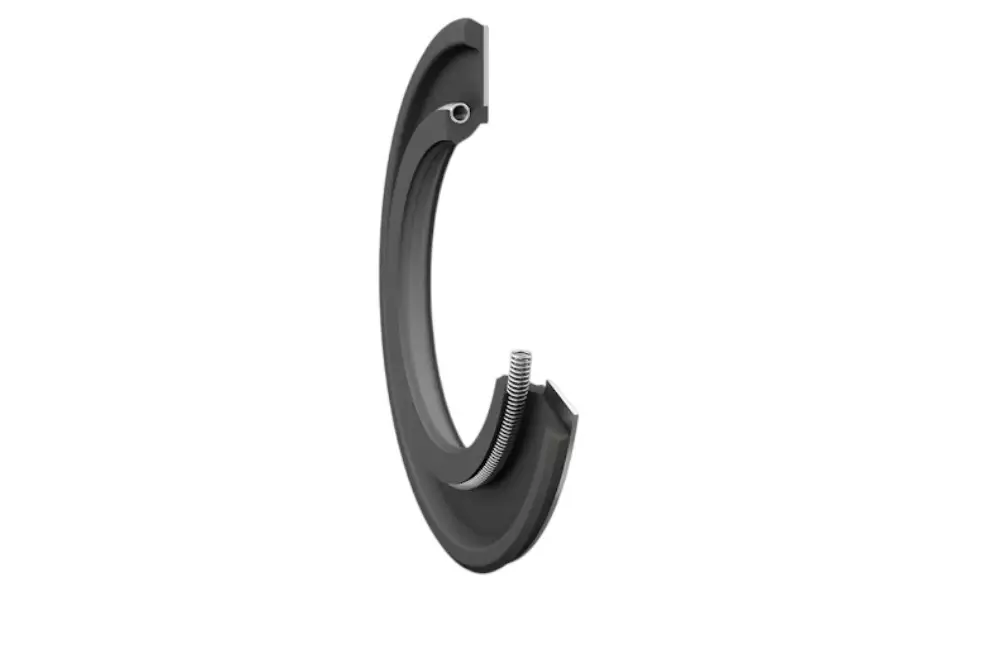
Bearings
Water Pump Bearing Seals
01 May, 2026
11 min read
Water pump bearing seals are application-specific seals used in automotive cooling-system pumps to hold bearing grease where it belongs and keep leaked coolant, dirt, and splash contamination out. When they do their job well, bearing life improves, friction stays controlled, and a minor leak is less likely to turn into an early pump failure.
Key Takeaways
- Water pump bearing seals are not generic bearing seals. They are built for the heat, water exposure, grease retention, and contamination risks that come with automotive cooling-system pumps.
- In a water pump, the mechanical seal separates the wet side from the dry side, while the bearing seal helps protect the bearing from grease loss and from coolant or dirt that should never reach the rolling elements.
- The design details that matter most are lip geometry, elastomer and bonding chemistry, grease retention, ethylene-glycol resistance, and contamination exclusion.
- Pacific International Bearing Sales (PIB) is an authorized distributor for CR Seals from SKF and supports selection, cross-referencing, and sourcing through its online catalog and wider supplier network.
Why Water Pump Bearing Seals Matter
A water pump is the heart of the automotive cooling system, and SKF describes it as a typically belt-driven centrifugal pump. That sounds straightforward until you remember what happens when sealing goes wrong: coolant does not stay on the wet side, lubricant does not stay where it should, and what looked like a small service issue turns into a noisy bearing, a leaking pump, and downtime you did not budget for. SKF also notes that if the belt fails, the water pump will not function, which is why maintenance has to treat the pump, belt, and sealing system as one problem, not three.
The practical reality is even more simple than the drawings. JTEKT explains that the water pump bearing sits behind a mechanical seal, so coolant is not supposed to contact the bearing directly. But when contamination, bad coolant, or installation mistakes damage the sealing system, Gates shows how that failure chain develops: particles damage the seal, leakage begins, and in worse cases fluid backs up toward the bearings and causes bearing failure. That is why the bearing seal matters so much. It is part of the fail-safe thinking that keeps a cooling-system problem from becoming a bearing problem.
How the Sealing System Works
JTEKT’s description is a useful place to start because it shows the layout clearly. Water pump bearings are sealed double-row bearings with wide spacing between the rolling-element rows. Depending on the design, they may be ball-ball or ball-roller types. The shaft extends through the bearing, with the pulley attached on the larger-diameter side and the impeller on the smaller-diameter side. In other words, this is a compact assembly doing real work under belt load, heat, vibration, and intermittent exposure to moisture.
Simplified schematic based on SKF’s description of water pump bearing seal features and JTEKT’s description of water pump bearing construction, including the mechanical seal between the coolant chamber and the bearing area. This is a visual explainer, not an OEM engineering drawing.
The easiest way to understand water pump bearing seals is to separate the two sealing jobs. SKF’s water pump seal guidance says the dynamic seal separates the wet and dry areas of the water pump and needs correct, clean coolant to function properly. JTEKT, meanwhile, notes that the bearing-side seal is there to prevent grease leakage and to stop coolant leaking past the mechanical seal from entering the bearing. That distinction matters because people often lump everything together as “the water pump seal,” when in practice there are two different sealing functions protecting two different failure risks.
| Component | Main job | What it protects against | What failure usually looks like |
| Mechanical or dynamic seal | Separates the wet side from the dry side of the pump | Coolant escape along the shaft path | Drain-hole leakage, coolant loss, ongoing seep after initial bedding |
| Bearing seal | Keeps grease in the bearing and helps stop coolant or dirt from entering the bearing zone | Grease loss, splash contamination, leaked coolant reaching rolling elements | Noise, rough running, shortened bearing life, eventual pump failure |
This comparison is compiled from SKF and JTEKT technical descriptions of water pump sealing and bearing construction.
What Good Water Pump Bearing Seals Are Built To Do
This is where the topic gets technical in the right way. SKF states that its water pump bearing seals are specifically designed for water pump applications in automotive cooling systems. The features it highlights are a variety of lip designs, specially formulated elastomers and bonding agents, plus R-Safe and spring-loaded axial dirt lips. The benefits it lists are the ones you would expect from a serious seal design, not a commodity part: superior grease retention for the life of the bearing, strong bond and resistance to ethylene glycol, and excellent contamination exclusion. That is the real job description.
JTEKT adds the kind of practical detail engineers and rebuilders care about. It describes a highly effective seal that helps prevent leakage of filled grease and helps stop cooling water leaking from the mechanical seal from entering the bearing. It also notes that some designs use a highly sealed triple-lip structure for even stronger coolant-ingress resistance, and that the grease and sealing materials are chosen for durability under high-speed rotation, high temperature, and mixed-water conditions. That tells you something important: in a water pump, the seal is not just about keeping out dust. It is about surviving a very specific mix of heat, fluid chemistry, speed, and contamination risk.
SKF also makes the broader point that in automotive bearings, seals have a major influence on friction and power losses, which is why new bearing-seal designs and materials are aimed at reduced friction and longer service life. That matters here because the “best” water pump bearing seal is not just the tightest one. It has to balance retention, exclusion, heat, and drag in a package that can live inside a real engine bay.
| Specification area | What a good water pump bearing seal should deliver | Why it matters in service |
| Application fit | Designed specifically for automotive water pump bearings | Generic seals can miss the coolant, heat, and contamination profile |
| Lip architecture | One or more lip geometries tuned for grease retention and dirt exclusion | Lip design determines how well the seal keeps lubricant in and trouble out |
| Material system | Elastomer and bonding agents compatible with coolant-side exposure risk, including ethylene glycol resistance | Chemistry failure often shows up as leakage, hardening, swelling, or poor bond durability |
| Contamination control | Strong exclusion of dirt, splash, and residual coolant intrusion | Contamination is often what turns a seal issue into a bearing issue |
| Grease retention | Stable retention for the life of the bearing | Lost grease means heat, wear, noise, and early bearing failure |
| Enhanced protection option | Triple-lip or highly sealed variants in some designs | Useful where water exposure and contamination risk are higher |
| Temperature and water tolerance | Materials and grease selected for heat, high-speed rotation, and mixed-water conditions | Water pumps live in a hotter, wetter environment than many standard bearing locations |
Compiled from SKF’s water pump bearing seal page and JTEKT’s water pump bearing technical descriptions.
What Usually Goes Wrong
Here is the before-and-after version. Before: the coolant is old, mixed incorrectly, or contaminated; someone uses sealant where a gasket or O-ring did not need it; or debris remains in the system after service. After: seal faces or sealing lips get damaged, a leak path opens up, the pump starts weeping, and in worse cases contamination works back toward the bearing zone. Gates documents that particles as small as 50 microns can damage the water pump seal, opening small leak paths at the weep hole, and that excessive damage can ultimately lead to fluid backing up into the bearings. Gates also documents premature leakage caused by excess or improper sealant contaminating the seal area. SKF similarly warns that dirt or other small particles can harm the seal and drastically reduce water pump life.
Simplified failure-chain schematic based on Gates and SKF technical service guidance on contamination, seal damage, leakage, and bearing-related water pump failure.
One nuance worth keeping, because it saves people from chasing the wrong problem: SKF says a newly fitted water pump can leak slightly at the drain hole for a short period, and that this minor leakage should stop within a few minutes or kilometers. Persistent leakage after that is considered problematic and is probably related to wrong or polluted cooling fluid. That is not “ignore the leak” advice. It is a reminder to distinguish initial bedding from an actual ongoing seal problem.
The other maintenance reality is the belt. SKF’s water pump page says the pump is typically belt-driven and that if the belt fails, the pump will not function. In other words, even a well-designed bearing seal cannot fix poor belt condition, poor coolant quality, or poor installation practice. Water pump reliability is system reliability.
FAQ
What is the difference between a water pump bearing seal and a mechanical seal?
The mechanical seal separates the wet side of the pump from the dry side. The bearing seal works at the bearing itself, helping retain grease and helping stop leaked coolant or dirt from reaching the rolling elements. They work together, but they are not the same component and they do not fail in the same way.
Are water pump bearing seals just standard bearing seals?
Not really. SKF describes its water pump bearing seals as application-specific products for automotive cooling-system pumps, with dedicated lip designs, elastomer and bonding chemistry, and features aimed at grease retention, ethylene-glycol resistance, and contamination exclusion.
What usually shortens seal life first?
The recurring causes are contaminated or incorrect coolant, corrosion debris in the system, sealant misuse during installation, and general contamination at the seal interface. Gates and SKF both point to dirt and residue as direct causes of seal damage and premature leakage.
Is a slight drain-hole leak after installation always a failure?
No. SKF says slight leakage at the drain hole on a newly fitted pump can be normal for a short time. That leakage should stop within a few minutes or kilometers. If it continues, the problem is likely real and often tied to wrong or polluted cooling fluid.
Why should the belt be checked during water pump service?
Because the pump is typically belt-driven. SKF notes that if the belt fails, the water pump will not function, so maintenance should treat belt condition as part of water pump reliability, not as a separate afterthought.
Browse the PIB Catalog
PIB’s value here is not just stocking parts. PIB is an authorized distributor for CR Seals from SKF and works with SKF sealing specialists and logistics resources to help customers select suitable seals, cross-reference existing part numbers, and solve chronic leakage or contamination issues with better-fit sealing solutions. That lines up well with an application like water pump bearing seals, where the details matter more than the label on the box.
PIB also operates an online catalog with a broad range of bearing types and related products, and the company says that if you do not find exactly what you need, it works with a world-wide network to source hard-to-find bearings. That is the right kind of support for repair teams and buyers who need to move from symptom to correct part without wasting a cycle on “close enough.”
Ready to choose the right sealing solution for your pump application? Browse the PIB online catalog or contact PIB for help sorting through seal design, coolant compatibility, and cross-references. If the exact part is not listed online, PIB can work its wider sourcing network to help locate the right bearing-related solution. Call (800) 228-8895.
Check the catalog to select the right seal and keep your machines leak-free and reliable.