Your cart is empty
 Short Rigid Couplings
 Controlflex Couplings
 Jaw Couplings
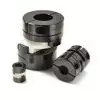 Oldham Couplings
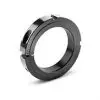 Bearing Locknuts – TCN
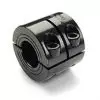 Double Wide Shaft Collars
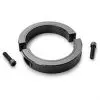 Heavy Duty Shaft Collars
 International Series Shaft Collars
 Keyed Shaft Collars
 Mountable Shaft Collars
 Quick Clamping Shaft Collars
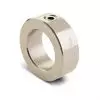 Set Screw Shaft Collars
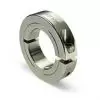 Thin Line Shaft Collars
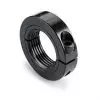 Threaded Shaft Collars – Pacific International Bearing Products
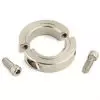 Two-Piece Shaft Collars
 Friction Bearing Universal Joints
 Needle Bearing Universal Joints
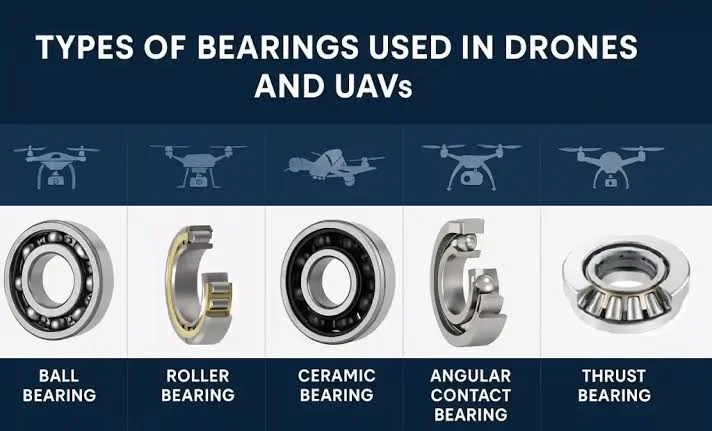
Bearings
Drone Landing Gear Bearings: Types and Selection
02 November, 2026
17 min read
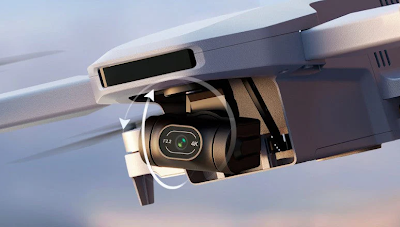
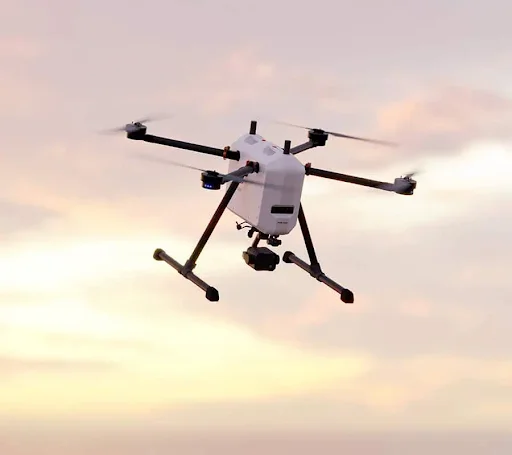
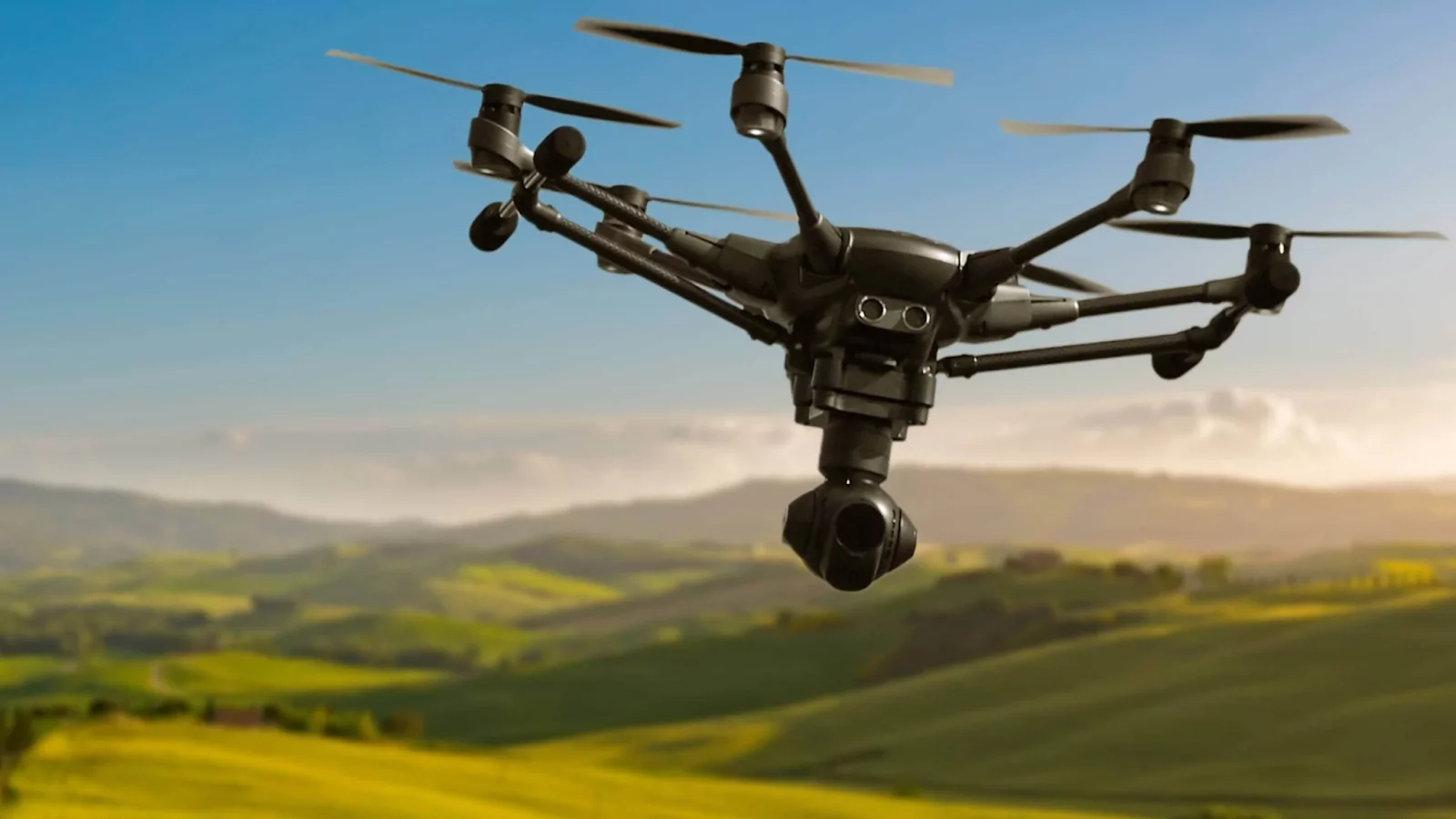
Drone landing gear bearings are used primarily in wheel hubs, retract pivots, shock-strut and brace joints, steering mechanisms, and actuator linkages on UAVs that have wheeled or moving landing gear. Many small multirotors with fixed skids or molded legs use few or no dedicated landing-gear bearings, so bearing selection becomes most important as the aircraft gets larger, heavier, wheeled, steerable, or retractable.
The bearing does not absorb a landing by itself. Tires, flexible gear legs, dampers, shock struts, structural members, and the airframe manage the landing event, while bearings carry and guide the loads through rotating or oscillating joints. That distinction matters. A bearing that is excellent for continuous rotation may be a poor choice for a pivot that moves only during deployment and then sees a high static or impact load after the gear locks.
Pacific International Bearing Sales (PIB) works with aerospace and motion-control applications where the right bearing is selected around the real load path, motion, environment, and maintenance plan. For drone landing gear, the practical questions are straightforward: Is the joint rotating or oscillating? Does it need misalignment? What happens at touchdown? How much contamination reaches the bearing? How much play can the mechanism tolerate? And can the bearing be inspected or serviced without major disassembly?
Key Takeaways
• Not every drone needs landing-gear bearings. Fixed skids and simple composite legs may have no moving bearing joint at all.
• Wheeled UAVs commonly need low-friction wheel support; heavier wheel positions may favor tapered roller bearings when combined radial and axial loads are significant, while smaller hubs can use deep-groove ball bearings when the load case allows.
• Retractable landing gear creates a different duty cycle: bearings may oscillate under modest load during deployment but see high static, reversing, or shock loads when the gear is down and locked.
• Spherical plain bearings and rod ends are strong candidates for retraction links, braces, shock-strut joints, and actuator connections because they can carry high loads while accommodating angular misalignment.
• Contamination control, corrosion resistance, fits, free play, liner wear, and installation quality can matter as much as nominal bearing load capacity.
Where Bearings Are Used in Drone Landing Gear
Landing-gear architecture varies widely across UAVs. A small quadcopter may land on fixed polymer feet. A long-endurance fixed-wing UAV may use a steerable nose wheel and main gear. A larger VTOL cargo drone may use retractable wheels, linkages, and electromechanical actuators. The bearing positions follow the mechanism, not the word “drone.”
The most common bearing duties are wheel rotation, limited-angle pivots, articulated links, and compact actuator support. Each has a different motion profile and failure consequence.
| Landing-gear location | Typical motion/load | Bearing priorities |
| Wheel hub | Continuous rotation during taxi, takeoff roll, and landing rollout; radial load with axial and impact components | Low friction, correct internal clearance or preload, contamination protection, impact/load capacity |
| Retraction trunnion or hinge | Limited-angle oscillation; high reaction load when gear is down or locked | High static capacity, controlled play, wear resistance, low oscillation torque |
| Drag brace / side brace joint | Oscillation with reversing load; alignment changes as the mechanism folds and locks | Misalignment capability, high load support, low permanent set, predictable wear |
| Shock-strut or damper joint | Oscillation and articulation under vibration and landing load | Self-lubricating or serviceable joint, corrosion resistance, wear control, misalignment capability |
| Actuator rod end / linkage | Angular articulation with axial or radial linkage load | Low play, misalignment, secure retention, repeatable motion |
| Nose-wheel steering pivot | Rotation or oscillation under side load and steering input | Low friction, stiffness, contamination resistance, controlled clearance |
Why Landing Gear Is a Different Bearing Application
Landing gear combines motion and shock in a way that is easy to oversimplify. During retraction, a joint may move slowly through a defined angle with relatively modest load. After deployment, that same joint may become almost static while the locked gear transmits landing and ground-handling loads into the airframe. Bearing selection has to cover both conditions.
This is why spherical and rod-end bearings are common in aerospace landing-gear mechanisms. They can support high loads at articulated joints and accommodate the small angular errors created by bracket deflection, manufacturing tolerance, and structural movement. In some landing-gear positions, metal-to-metal spherical bearings are appropriate when the joint is mostly static under the highest load and periodic lubrication is acceptable. In other positions, self-lubricating lined bearings reduce routine maintenance and control friction during oscillation.
The key is not to confuse a high static load rating with a complete landing-gear solution. Oscillation angle, liner pressure, impact loading, edge loading, housing stiffness, corrosion, and the number of cycles all influence whether the joint stays tight and repeatable over time.
Bearing Types Used in Drone Landing Gear
Tapered roller bearings for loaded wheel hubs
Tapered roller bearings are widely used in aircraft landing wheels because their geometry handles combined radial and axial loads with high stiffness. For larger UAV wheels, that same load-handling logic can be useful when touchdown, braking, cornering, or side load creates a meaningful thrust component at the hub. They are normally used as an opposed pair so the assembly can support load in both axial directions.
The tradeoff is packaging, weight, and setup. Tapered roller bearings need the correct adjustment or preload and suitable lubrication. In a small drone wheel, that may be more complexity than the load case justifies. In a heavier UAV wheel, the stiffness and combined-load capability can justify the extra design work.
Deep-groove ball bearings for compact wheel positions
Deep-groove ball bearings can be a practical choice for lighter wheel hubs because they are compact, low friction, and can support radial load plus moderate axial load in either direction. Sealed versions can simplify contamination control in landing gear that operates close to dirt, grass, pavement debris, or water.
They should not be selected simply because they fit the axle. If touchdown or side load creates a large thrust component, or if the hub needs high axial stiffness, an arrangement designed specifically for combined load may be more appropriate.
Spherical plain bearings and rod ends for pivots and linkages
Spherical plain bearings and rod ends are especially relevant in retractable landing gear. The spherical interface allows a joint to articulate while carrying load, which helps prevent bracket or actuator misalignment from being forced into a rigid pin joint. Aerospace bearing manufacturers specifically identify landing gear, shock struts, landing-gear doors, actuators, and control linkages as established applications for these bearing families.
Self-lubricating liner systems are useful where access is limited or routine lubrication is undesirable. Metal-to-metal designs can be appropriate where high static load and low permanent set are priorities and the maintenance plan allows lubrication. The right choice depends on oscillation, load, contamination, temperature, allowable wear, and service access.
Airframe control and miniature ball bearings for actuators
Electromechanical retraction actuators can contain their own rolling bearings in the motor, gearbox, screw support, or output mechanism. These bearings see a different duty from the landing-gear pivot itself: more continuous rotation, higher speed, or defined thrust loading. Deep-groove, angular-contact, or duplex ball-bearing arrangements can be appropriate depending on how the actuator carries radial and axial loads.
Keeping those two duties separate avoids a common design mistake. The bearing at the actuator output joint may need articulation and impact tolerance, while the bearing inside the actuator may need speed, preload, stiffness, and low running torque.
| Bearing family | Best-fit landing-gear duty | What goes wrong when mismatched | What improves with the right choice |
| Tapered roller bearing | Heavier wheel hubs with combined radial/axial load | Poor axial control, hub movement, or overload if a lighter bearing arrangement is used beyond its load envelope | Stiff wheel support and controlled combined-load handling |
| Deep-groove ball bearing | Compact light-duty wheel hubs | Excess axial load can increase wear or clearance; oversizing adds unnecessary weight | Low friction, simple packaging, sealed options for contamination control |
| Spherical plain bearing | Trunnions, braces, shock-strut pivots, articulated joints | Rigid joint can bind or edge-load as structure moves | Misalignment is accommodated and high load is transferred through the intended joint |
| Rod end bearing | Actuator and brace linkages | Linkage side load, binding, or growing play | Clean load transfer with controlled articulation |
| Angular-contact / duplex ball bearing | Actuator screw, gearbox, or precision rotary support | End play, poor stiffness, or excess torque from incorrect preload | Controlled axial position and repeatable actuator motion |
The Selection Factors That Matter Most
1. Start with the real landing load path
The bearing load is not the aircraft weight divided by the number of wheels. Gear geometry, center of gravity, touchdown attitude, braking, side load, wheel offset, strut stiffness, and structural load sharing determine what each joint actually sees. Impact and limit loads should be evaluated separately from normal taxi and retraction loads.
2. Separate rotating duty from oscillating duty
A wheel bearing rotates continuously while the aircraft is rolling. A trunnion or brace bearing may move through a limited angle only during retraction and deployment. A shock-strut spherical can articulate under vibration and landing load. The lubrication and wear mechanisms are different, so one bearing type should not be carried across every location by default.
3. Control free play at the mechanism level
Clearance in a single joint may be small, but play in trunnions, rod ends, actuator pins, and steering links can add together. Excess free play can create wheel shimmy, inconsistent gear geometry, impact at load reversal, or poor repeatability in the retraction mechanism. At the other extreme, eliminating clearance without considering misalignment and structural deflection can cause binding.
4. Design for misalignment instead of forcing it into the structure
UAV frames are lightweight and can deflect. Gear brackets and actuator mounts also carry tolerance stack-up. If a joint cannot accommodate the resulting angular error, the load moves toward the edge of the bearing or into the pin and bracket. Spherical bearings and rod ends are often selected specifically to avoid that condition.
5. Treat dirt, water, and corrosion as primary inputs
Landing gear operates where contamination is worst. Grass, sand, road grit, standing water, spray chemicals, salt, and mud can all reach the joint. Sealed rolling bearings, corrosion-resistant materials, protective finishes, and self-lubricating liners can reduce maintenance, but the sealing or coating choice must still fit the speed, temperature, and load.
6. Check fits and housing stiffness
A bearing that is correct on paper can perform poorly after installation. Excess interference can distort a thin ring or reduce internal clearance. A loose fit can allow fretting or creep. A spherical bearing installed in a weak or distorted lug can see edge loading that was not present in the catalog calculation. Bearing and surrounding structure should be designed as one system.
7. Define inspection and replacement access early
Drone landing gear is often packaged tightly around batteries, payload bays, fairings, or actuators. If a bearing can only be replaced after major disassembly, the cost of ownership may be driven more by access than by the bearing price. Lined spherical bearings, sealed wheel bearings, and replaceable rod ends can make sense when they reduce routine servicing or simplify replacement.
What the Wrong Bearing Looks Like in Service
Landing-gear bearing problems usually appear as a change in the mechanism before they appear as a complete failure. A wheel develops roughness or looseness. A retract joint starts to bind. A rod end gains measurable play. A lined spherical bearing shows increasing wear. Corrosion appears around a race or pin. The actuator needs more force to move the gear through the same stroke.
Those symptoms matter because landing gear is a system. More friction at a pivot increases actuator load. More play changes linkage geometry. A contaminated wheel bearing can add drag and heat. Edge loading at a spherical joint can shorten liner life and damage the pin or lug. Replacing only the bearing without correcting the fit, alignment, contamination path, or damaged counterface can repeat the same problem.
With the correct bearing and installation, the improvement is practical: wheels roll freely, pivots articulate without binding, actuator loads stay predictable, free play stays controlled, and inspections show gradual, understandable wear instead of recurring damage.
Frequently Asked Questions
Do all drones use landing-gear bearings?
No. Many small multirotors use fixed skids, molded feet, or simple flexible legs with no dedicated moving bearing joint. Bearings become more relevant in wheeled, steerable, shock-absorbing, or retractable landing gear.
What bearing is best for a drone landing-gear wheel?
There is no universal best bearing. Deep-groove ball bearings can fit compact, lighter wheel hubs, while tapered roller bearings are useful when combined radial and axial loads, stiffness, and impact capacity justify a more robust arrangement. The choice depends on wheel load, speed, braking, side load, packaging, and maintenance.
Why are spherical bearings common in retractable landing gear?
Spherical plain bearings can carry high loads while allowing angular misalignment and oscillation. That makes them useful in trunnions, braces, shock-strut joints, and actuator links where the surrounding structure moves or deflects.
Are self-lubricating spherical bearings suitable for landing gear?
Yes, in many aerospace landing-gear joints self-lubricating lined spherical bearings are used to reduce maintenance and control friction during oscillation. The liner system still has to be matched to load, motion, temperature, contamination, wear allowance, and life requirements.
How does bearing play affect retractable landing gear?
Play changes joint geometry and can add lost motion, impact at load reversal, steering looseness, or inconsistent gear position. Total mechanism play should be controlled across all bearings, pins, rod ends, and actuator connections rather than judged at one joint in isolation.
What information does PIB need to help select a landing-gear bearing?
The most useful inputs are the bearing location, available envelope, radial and axial loads, landing or shock loads, oscillation or rotation angle and speed, required misalignment, allowable play, temperature, contamination and corrosion exposure, lubrication preference, fits, retention method, and expected maintenance access.
Final Thoughts
Drone landing gear bearings are not one category of part. A wheel hub, retract pivot, shock-strut joint, steering link, and actuator each place a different demand on the bearing. The most reliable design starts by separating those duties, then matching load, motion, misalignment, contamination, and maintenance access to the bearing family and installation.
PIB can help review wheel bearings, spherical plain bearings, rod ends, airframe control bearings, and compact actuator-bearing arrangements for UAV landing gear. The most productive starting point is the real load path and motion at each joint, because that is what determines whether the bearing stays smooth and tight after repeated landings instead of simply fitting the available space.
Call us (800) 228-8895, email us [email protected], visit us www.pibsales.com.