Your cart is empty
 Short Rigid Couplings
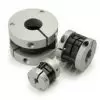 Controlflex Couplings
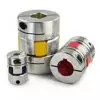 Jaw Couplings
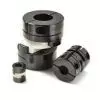 Oldham Couplings
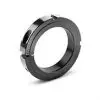 Bearing Locknuts – TCN
 Double Wide Shaft Collars
 Heavy Duty Shaft Collars
 International Series Shaft Collars
 Keyed Shaft Collars
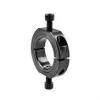 Mountable Shaft Collars
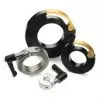 Quick Clamping Shaft Collars
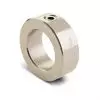 Set Screw Shaft Collars
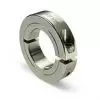 Thin Line Shaft Collars
 Threaded Shaft Collars – Pacific International Bearing Products
 Two-Piece Shaft Collars
 Friction Bearing Universal Joints
 Needle Bearing Universal Joints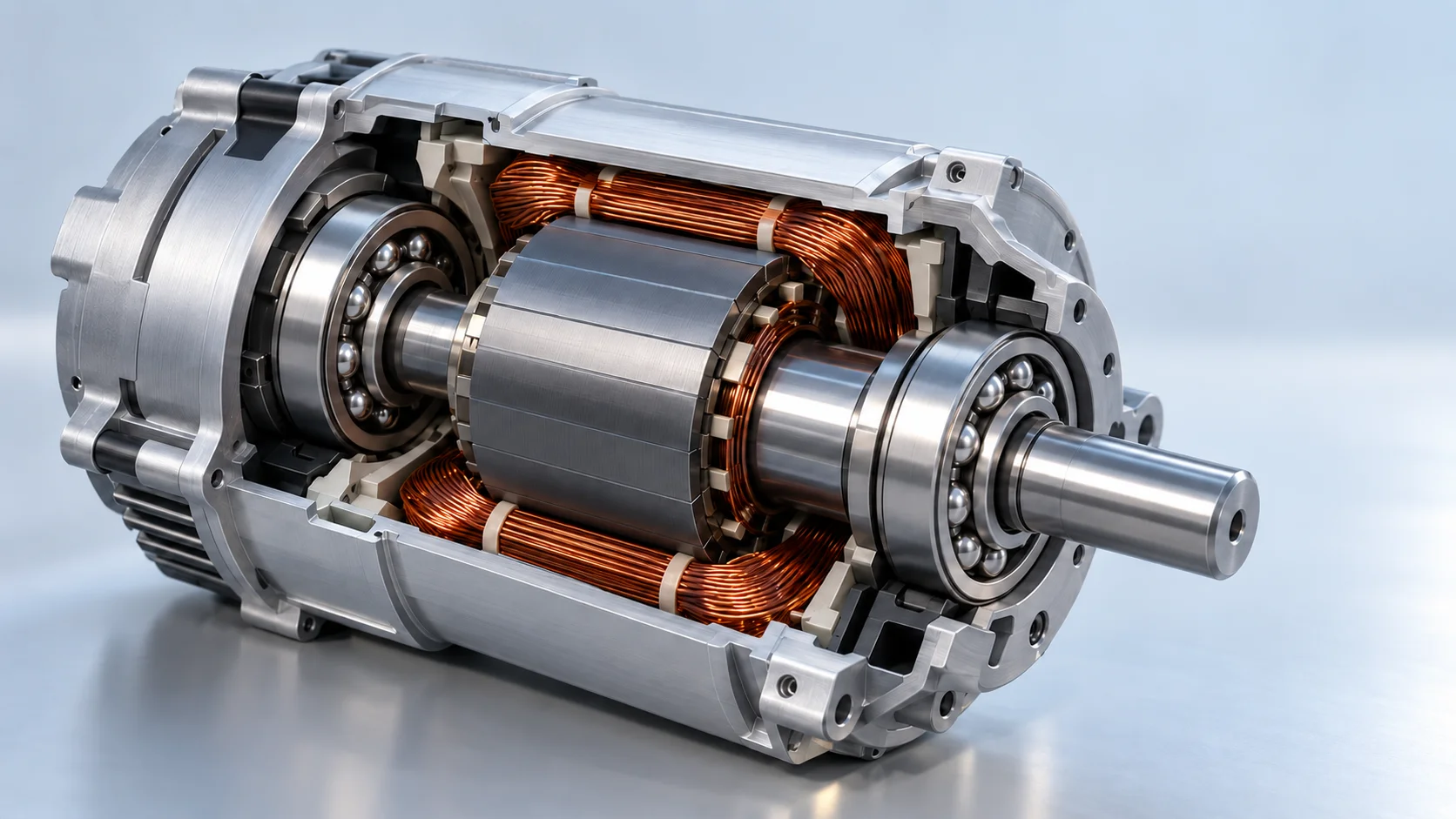
Bearings
eVTOL Bearings Used in Electric Propulsion Motors
28 September, 2026
21 min read
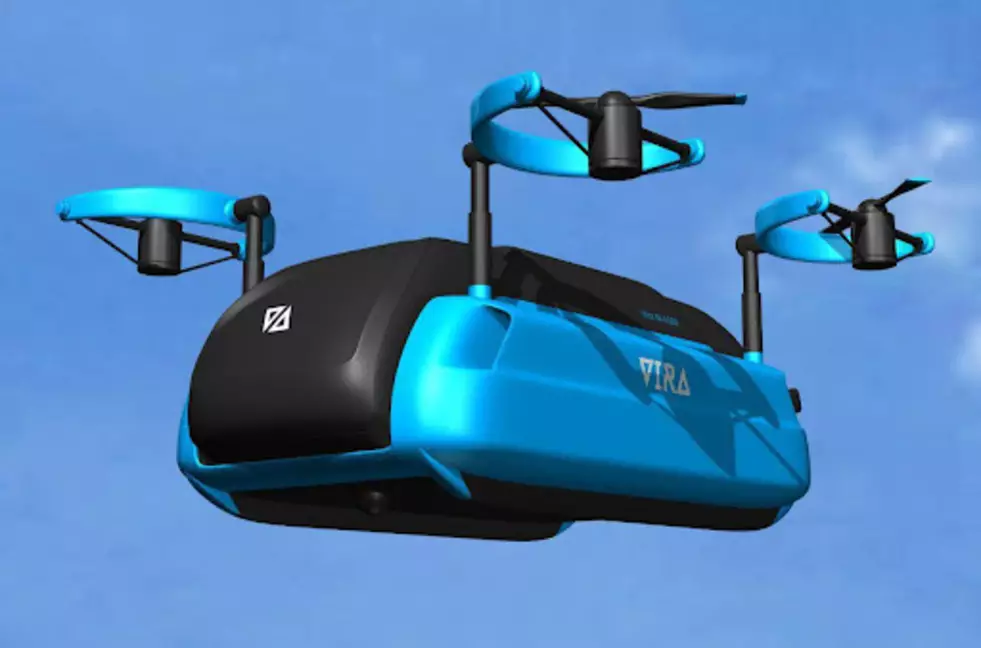
In an eVTOL propulsion motor, the bearings do more than support a spinning shaft. They help hold the rotor on center, control radial and axial movement, keep friction and heat predictable, and preserve the running accuracy the motor needs across repeated speed changes. When the bearing arrangement is right, the motor runs smoother and the rotor stays better controlled. When it is wrong, the symptoms can show up as heat, noise, vibration, electrical damage, lubricant distress, or loss of bearing life.
That makes propulsion-motor bearing selection a system decision.Motor topology, shaft speed, rotor mass, propeller or fan thrust, gearbox loads if present, thermal growth, lubrication, electrical architecture, fits, preload, and the surrounding structure all affect the final choice.
Pacific International Bearing Sales (PIB) supports electric-motor and aerospace applications where compact packaging and reliable high-speed motion have to coexist. For eVTOL propulsion, the useful question is not simply which bearing can carry the calculated load. It is which bearing arrangement will keep the rotor stable, efficient, quiet, and maintainable through the real operating cycle.
Key Takeaways
- Propulsion-motor bearings influence rotor alignment, air-gap stability, friction, vibration, temperature, and overall running accuracy.
- Deep-groove ball bearings are common motor supports, while angular-contact arrangements are useful when axial load, preload, and shaft stiffness need tighter control.
- Hybrid ceramic bearings can be valuable where high speed and electrical-current protection are important, but they still have to be matched to load, lubrication, fits, and thermal conditions.
- Bearing current is an electrical-system issue as well as a bearing issue. Insulated bearings, hybrid bearings, shaft grounding, and inverter or motor design measures should be evaluated as a complete current path.
- Preload, internal clearance, lubricant, cage, seal strategy, shaft fits, and housing stiffness can change a good bearing into a poor-running assembly if they are specified independently.
What Bearings Do in an eVTOL Propulsion Motor
Most electric propulsion motors use bearings at the drive end and non-drive end of the rotor shaft. Their first job is straightforward: carry the rotor and keep it accurately located relative to the stator. The practical consequences are more important. Bearing stiffness and running accuracy influence shaft motion, rotor dynamics, and the consistency of the motor air gap.
The load path depends heavily on the propulsion architecture. In a direct-drive arrangement, propeller or fan thrust may be reacted through the motor bearing system or through a separate structural thrust path. In a geared drive, the motor bearings may see gear-mesh forces in addition to rotor loads. Belt, coupling, or overhung arrangements create still different radial and moment loads. The bearing cannot be selected correctly until that load path is clear.
The two bearing positions also do not always have the same job. One end may locate the shaft axially while the other allows controlled thermal expansion. Some designs use two ball bearings; others use a preloaded angular-contact pair, or combine a locating ball-bearing arrangement with a non-locating bearing. The correct layout is application-dependent, but the principle is the same: constrain the rotor where it must be constrained and allow thermal movement where the design requires it.
| Bearing position or duty | Typical demand | Bearing priorities |
|---|---|---|
| Drive-end rotor support | High-speed radial support; possible axial thrust depending on propulsion architecture | Running accuracy, stiffness, low friction, thermal stability, correct locating function |
| Non-drive-end rotor support | Radial support with thermal growth between shaft and housing | Controlled clearance, low friction, alignment, non-locating capability where required |
| Preloaded locating pair | Bidirectional axial load and tight control of shaft position | Preload control, axial stiffness, mounting accuracy, heat management |
| Motor integrated with gearbox | Rotor load plus gear-mesh radial and axial forces | Combined-load capacity, stiffness, lubrication compatibility, load sharing |
| Electrically exposed bearing position | Possible shaft-voltage discharge through rolling contacts | Electrical insulation or current-control strategy plus normal mechanical requirements |
Why eVTOL Propulsion Motors Are Demanding Bearing Applications
eVTOL propulsion systems push several motor requirements into the same package: high power density, low mass, compact geometry, fast response, and long periods of predictable operation. Bearings sit directly in that compromise.
High shaft speed increases rolling-element and cage forces and raises the sensitivity to lubrication, balance, fit, and internal geometry. Rapid acceleration and deceleration add transient behavior that a steady-state speed check can miss. At the same time, a lightweight rotor support cannot simply be made larger every time stiffness or load capacity needs to increase.
Temperature is another part of the problem. Heat from the windings, rotor, inverter-adjacent structure, and bearing friction can create different temperatures at the shaft, inner ring, outer ring, and housing. Those differences change internal clearance or preload. A bearing arrangement that feels correct at room temperature can run too tight after thermal growth, or too loose if the initial clearance was chosen without the operating temperature in mind.
Electric propulsion also introduces an electrical failure mode that purely mechanical calculations do not address. In inverter-fed motors, shaft voltage and discharge current can develop depending on motor, inverter, grounding, cable, and system architecture. If current passes through a conventional rolling contact, repeated electrical discharge can damage raceways and rolling elements and can degrade lubricant. That risk should be assessed early, not after fluting or electrical pitting appears in service.
Bearing Types Commonly Considered for eVTOL Propulsion Motors
There is no single bearing type that fits every eVTOL motor. The motor speed, shaft diameter, thrust direction, rotor dynamics, thermal strategy, and electrical environment determine which bearing makes sense.
Deep-groove ball bearings
Deep-groove ball bearings are a common starting point because they are compact, efficient, and capable of carrying radial load with useful axial capacity in both directions. They work well in many electric motors where loads are moderate and the main priorities are low friction, smooth rotation, and simple packaging.
For propulsion duty, the details matter. Internal clearance, accuracy class, cage design, grease, seal or shield selection, and the way the rings are fitted can have as much influence on running behavior as the basic bearing series. A standard industrial configuration may fit dimensionally while still being wrong for the speed, temperature, vibration, or torque target.
Angular-contact ball bearings
Angular-contact ball bearings are useful when the shaft needs stronger axial location, higher tilting stiffness, or a controlled preloaded arrangement. They are often used in pairs so the bearing set can support axial load in both directions while controlling shaft position.
The benefit is a more defined rotor support. The tradeoff is that preload and mounting accuracy become critical. Too much preload can raise friction and temperature and reduce usable life. Too little can reduce stiffness and allow unwanted shaft movement. Housing shoulders, spacer lengths, shaft fits, and operating temperature all become part of the bearing specification.
Hybrid ceramic ball bearings
Hybrid bearings use ceramic rolling elements, typically silicon nitride, with steel bearing rings. In high-speed electric motors, the lower density of the ceramic balls can reduce centrifugal loading within the bearing. Just as important for inverter-driven motors, ceramic rolling elements interrupt the direct electrical path through the rolling contacts.
That can make hybrid bearings a strong option when electrical erosion is a real system risk. They are not a universal upgrade, however. Contact stress, lubrication, preload, mounting, shock load, cost, and the complete electrical-current path still have to be reviewed. Electrical insulation at one bearing can also redirect current elsewhere if the motor grounding strategy is not considered as a whole.
Cylindrical roller bearings
Cylindrical roller bearings can be useful where radial load capacity and a non-locating function are priorities. In some motor arrangements, an N- or NU-type configuration can accommodate axial displacement between shaft and housing while carrying radial load, which helps manage thermal growth without forcing axial load into both bearing positions.
They are more common in larger or more heavily loaded motor architectures than in very compact high-speed designs, and they are not automatically the best fit for eVTOL propulsion. Minimum load, roller kinematics, speed capability, lubrication, and cage behavior all need to be checked for the actual duty.
| Bearing option | Where it can fit | What goes wrong when mismatched | What improves with the right selection |
|---|---|---|---|
| Deep-groove ball bearing | General rotor support with moderate axial demand | Excess heat, unsuitable clearance, poor high-speed behavior, shortened grease life | Low-friction support, simple packaging, smooth and repeatable rotation |
| Angular-contact ball bearing pair | Locating end where axial stiffness and preload matter | Too much heat from preload, too little stiffness, poor load sharing | Controlled shaft position, stronger axial support, predictable stiffness |
| Hybrid ceramic ball bearing | High-speed or electrically sensitive motor position | Unnecessary cost or unresolved system current path if chosen without system analysis | Lower rolling-element inertia and interruption of direct current path through contacts |
| Cylindrical roller bearing | Radial-load or non-locating position in suitable motor architectures | Skidding or poor behavior if load/speed/lubrication are outside the design window | High radial support and controlled axial displacement where the arrangement requires it |
Electrical Current Damage: Treat the Motor as a Circuit
A propulsion motor bearing can be mechanically correct and still fail early if it becomes part of an uncontrolled electrical-current path. Variable-frequency drives and fast-switching power electronics can create common-mode voltage and shaft voltage. Under the wrong conditions, charge can discharge through the bearing film and create microscopic craters on the rolling surfaces.
Repeated discharge can develop into visible raceway patterns, rough running, increased noise, lubricant degradation, and premature bearing damage. The important point is that replacing the bearing without addressing the current path may only reset the clock.
Current-mitigation options include hybrid bearings, ceramic-coated electrically insulated bearings, shaft-grounding devices, and electrical changes in the motor, inverter, cable, or grounding system. Which method is appropriate depends on voltage, switching behavior, motor size, shaft arrangement, grounding, and the rest of the drivetrain. For eVTOL work, the bearing and electrical teams should treat this as one problem rather than two separate specifications.
The Selection Factors That Matter Most
1. Define the real load path
Start at the shaft, not at the bearing catalog. Account for rotor weight, magnetic forces where relevant, propeller or fan thrust, overhung load, coupling or gearbox forces, maneuver and gyroscopic effects, vibration, and structural deflection. The drive-end and non-drive-end bearings may see very different radial and axial loads.
2. Use the full speed and transient profile
Maximum rpm is necessary, but it is not enough. Include acceleration, deceleration, repeated starts, dwell periods, overspeed requirements if applicable, and any operating points where rotor dynamics or lubrication become more critical. A bearing that is comfortable at steady speed may behave differently during rapid transients.
3. Control internal clearance and preload at operating temperature
Fits and thermal growth change what the bearing experiences internally. A tight shaft fit can reduce radial clearance. A hot inner ring and cooler outer ring can reduce it further. In a preloaded angular-contact set, spacer dimensions, housing growth, shaft growth, and mounting clamping all affect the final preload.
4. Match lubrication to speed, temperature, and maintenance strategy
Grease can simplify a sealed or shielded motor arrangement and reduce maintenance, but the grease type and fill have to suit speed and temperature. Excess grease can create churning and heat; too little or the wrong base-oil viscosity can reduce film quality. Oil lubrication may make sense in architectures where the motor is integrated with a gearbox or central lubrication system. The lubricant should be selected as part of the initial bearing design.
5. Check the electrical environment
If the motor uses high-frequency inverter switching, evaluate shaft voltage and likely current paths. Do not assume a conventional steel bearing will remain electrically neutral, and do not assume one insulated bearing solves the entire problem.
6. Balance sealing against friction and heat
Seals and shields help keep contaminants out and lubricant in, but contact seals add drag and can increase heat at high speed. Open bearings reduce seal torque but depend more on the cleanliness and sealing of the surrounding motor. The right choice depends on the motor enclosure, cooling method, contamination exposure, lubricant retention plan, and speed.
7. Treat fits, housing stiffness, and alignment as bearing parameters
A precision bearing cannot compensate for a distorted housing, a shaft shoulder that is not square, or fits that remove the intended clearance. Thin motor housings and lightweight structures can deform under clamp load or thermal gradients. Ring support, shoulder geometry, surface finish, roundness, and assembly method should be reviewed with the bearing arrangement.
8. Design for vibration, noise, and repeatability
In propulsion motors, vibration is more than a comfort issue. It can indicate rotor imbalance, misalignment, bearing damage, fit problems, or unstable bearing behavior. Low and repeatable bearing torque helps limit heat and supports consistent motor efficiency, while good running accuracy helps keep the rotor motion controlled. Bearing selection, rotor balance, shaft stiffness, and motor electromagnetic design all contribute to the final result.
What the Wrong Bearing Looks Like in Service
A poor bearing choice does not always fail dramatically. More often, the motor starts giving away margin. Bearing temperature rises. Noise changes. Vibration becomes harder to balance out. Grease darkens or migrates. A preloaded set loses the running condition it had during assembly. Electrical fluting appears on a raceway. The motor may still operate, but it becomes less predictable and harder to maintain.
The cost is rarely limited to the bearing itself. Propulsion motors are integrated assemblies. Replacing a bearing may require motor removal, rotor handling, rebalancing, fit inspection, electrical checks, and another validation cycle. That is why a slightly cheaper bearing or a simplified mounting decision can become expensive due to premature failures.
With the right bearing arrangement, the improvement is practical: shaft position stays controlled, friction and temperature are easier to manage, electrical damage risk is addressed, lubricant works in the condition it was selected for, and inspection results become more consistent. The goal is not to make the bearing invisible. It is to make its behavior predictable enough that it stops becoming a recurring propulsion-system problem.
A Practical Bearing Selection Process for eVTOL Propulsion Motors
For a new propulsion motor or a design revision, PIB recommends reviewing the bearing arrangement at the same time as the rotor, housing, thermal, and electrical design. A practical process includes:
- Define the function of each bearing position: locating, non-locating, thrust-carrying, radial support, or a combined role.
- Document radial, axial, moment, shock, and transient loads at each position, including propeller, fan, coupling, or gearbox effects.
- Define continuous speed, peak speed, acceleration and deceleration, duty cycle, vibration, and expected rotor-dynamic conditions.
- Set limits for shaft displacement, bearing torque, temperature, internal clearance or preload, and acceptable noise or vibration.
- Review shaft voltage and current paths and decide whether electrical insulation, hybrid rolling elements, shaft grounding, or other measures are required.
- Select cage, lubricant, grease fill, seals or shields, material, and corrosion protection for the actual speed and environment.
- Check shaft and housing tolerances, shoulder geometry, clamping, assembly method, and thermal expansion before finalizing the bearing specification.
- Validate the complete motor under representative speed, load, temperature, vibration, electrical, and environmental conditions before freezing the production configuration.
This approach also prevents over-specifying every position. One motor may need hybrid angular-contact bearings at a critical high-speed locating end while another position can use a simpler solution. The best bearing package is the one that puts performance where the motor actually needs it.
Frequently Asked Questions
What bearings are commonly used in eVTOL electric propulsion motors?
Deep-groove ball bearings and angular-contact ball bearings are common starting points. Hybrid ceramic versions are often considered when high speed or electrical-current protection is important. Cylindrical roller bearings can be relevant in some higher-load or non-locating arrangements. The correct type depends on the motor architecture, speed, load path, thermal growth, preload strategy, lubrication, and electrical environment.
Why are hybrid ceramic bearings used in electric propulsion motors?
Hybrid bearings use ceramic rolling elements with steel rings. The lower rolling-element density can be useful at high speed, and the ceramic elements interrupt the direct electrical path through the rolling contacts. They still have to be checked for contact stress, lubrication, preload, shock load, fits, and cost, so they should be selected for a defined engineering reason rather than as an automatic upgrade.
Can inverter currents damage eVTOL motor bearings?
Yes, depending on the electrical architecture. Inverter-fed motors can develop shaft voltage and bearing currents. Electrical discharge through the rolling contact can damage raceways and rolling elements and degrade lubricant. Hybrid bearings, insulated bearings, shaft grounding, and electrical-system changes are common mitigation approaches, but the complete current path should be evaluated.
Do eVTOL propulsion motor bearings need preload?
Sometimes. Preload can improve shaft location, stiffness, and running accuracy, especially in angular-contact arrangements. Too much preload increases friction and heat; too little may allow unwanted movement or unstable high-speed behavior. The required preload is application-dependent and should be checked at operating temperature after fits and structural growth are included.
Are sealed bearings always better for propulsion motors?
No. Seals can improve contamination control and lubricant retention, but contact seals add friction and heat. Shields create less drag but offer different protection, while open bearings rely on the motor enclosure and lubrication system. The correct choice depends on speed, environment, cooling, lubricant strategy, and the motor friction budget.
What information does PIB need to help select an eVTOL motor bearing?
The most useful inputs are shaft and housing dimensions, bearing locations, radial and axial loads, thrust direction, continuous and peak speed, duty cycle, rotor and coupling or gearbox layout, required stiffness or shaft-position limits, temperature range, lubrication strategy, electrical-current risk, sealing needs, fits, and any program-specific material or documentation requirements.
Final Thoughts
eVTOL propulsion-motor bearings operate at the intersection of mechanical, thermal, and electrical design. The right choice starts with the real shaft duty: speed, load direction, thrust, rotor dynamics, thermal growth, lubrication, fits, and current path. When those details are matched to the bearing arrangement, the motor is easier to keep smooth, stable, efficient, and serviceable.
PIB can help review deep-groove, angular-contact, hybrid ceramic, insulated, and roller-bearing options for electric propulsion motors. The most productive starting point is a clear motor layout with the load path, speed profile, temperature assumptions, electrical environment, and mounting details already on the table.
Contact us at 1(800) 228-8895