Your cart is empty
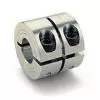 Short Rigid Couplings
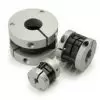 Controlflex Couplings
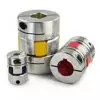 Jaw Couplings
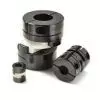 Oldham Couplings
 Bearing Locknuts – TCN
 Double Wide Shaft Collars
 Heavy Duty Shaft Collars
 International Series Shaft Collars
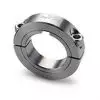 Keyed Shaft Collars
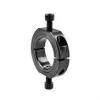 Mountable Shaft Collars
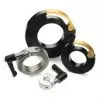 Quick Clamping Shaft Collars
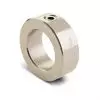 Set Screw Shaft Collars
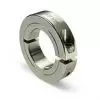 Thin Line Shaft Collars
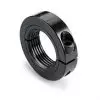 Threaded Shaft Collars – Pacific International Bearing Products
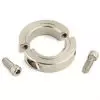 Two-Piece Shaft Collars
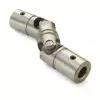 Friction Bearing Universal Joints
 Needle Bearing Universal Joints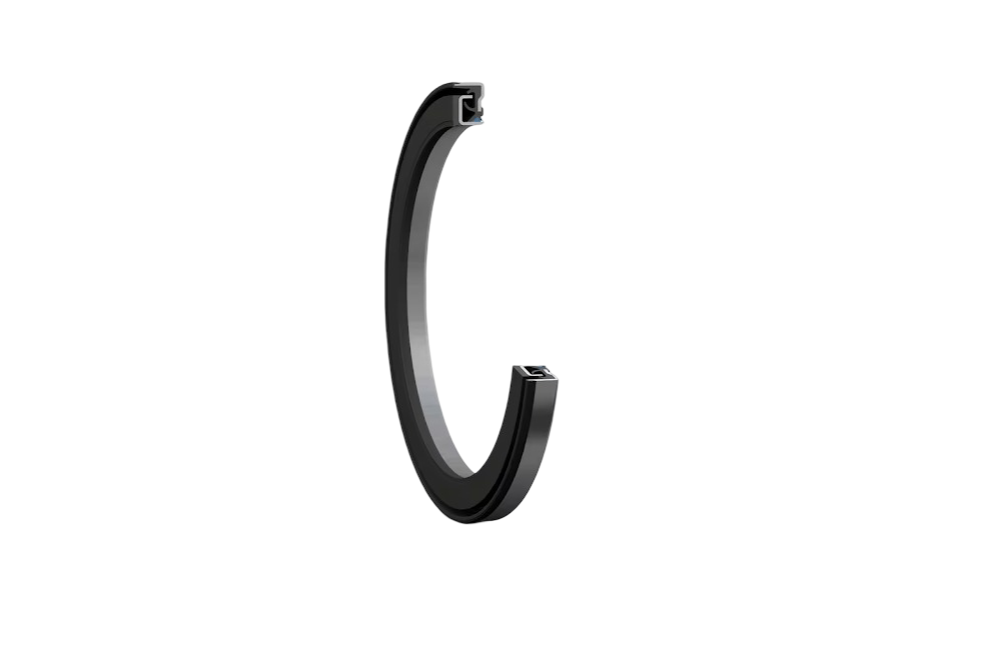
Bearings
Hub Bearing Unit Seals for Heavy Duty and Light Vehicles
15 March, 2026
18 min read
Hub bearing unit seals keep grease where it belongs and block water, grit, and road salt from the wheel end on both heavy duty and light vehicles. They fail when heat, contamination, runout, or poor handling damages the sealing lip. Pacific International Bearing Sales helps buyers match seal design and material to the duty cycle, not just the part number.
Key takeaways
- A seal is a thermal and contamination control device, not just a “dust cover.”
- Heavy duty wheel ends punish seals with load, heat, washdown, and runout.
- Seal design choices trade low drag against exclusion strength.
- Early checks (smell, play, heat, noise) catch problems before a roadside event.
If you’re comparing options now, check the PIB online catalog and gather your duty details before ordering.
What Hub Bearing Unit Seals Do?
A hub bearing unit is the wheel bearing assembly that supports vehicle weight and guides rotation. Many hub units include an integrated seal, meaning the sealing elements are built into the bearing or hub module. In other setups, the seal is separate but still works as part of the wheel end system.
At a basic level, hub bearing unit seals do three jobs:
- Keep lubricant in so the rolling elements don’t run dry.
- Keep contamination out (water, dust, brake debris, mud, salt).
- Control heat and noise by stabilizing friction at the sealing interface.
Seals create friction, and friction creates heat. A “tighter” seal can protect better, yet it can also raise temperature and reduce efficiency. A “lighter” seal runs cooler and quieter, yet it may struggle in mud, slush, or washdown. Selection always comes back to the real duty cycle.
Common terms :
- Contact seal: the lip touches the rotating surface. It seals well but adds friction.
- Non-contact seal: uses small clearances and geometry (often labyrinth-like). It reduces drag but needs cleaner conditions.
- Cassette seal: a packaged, multi-component design, often with multiple lips and exclusion features for harsh service.
For more information on seal styles across bearings, PIB’s write-up on different types of bearing seals helps map the vocabulary to real hardware.
The Basics: Grease in, Contamination Out, Heat Under Control
Think of the seal like a well-fitted lid on a travel mug. If it’s loose, coffee leaks. If it’s too tight, the lid binds and wears. A good wheel end seal balances lip load (how hard the lip presses) and surface finish (how smooth the running surface is).
Three forces push seals toward failure:
- Heat: from brakes, speed, and friction. Heat can harden elastomers and thin grease.
- Speed: higher surface speed raises lip temperature and can pump lubricant.
- Misalignment and runout: wobble makes the lip flex more, which accelerates wear.
Before and after example:
With a healthy seal, grease stays clean, the hub runs at a steady temperature, and noise stays low. After a seal fails, fine grit and moisture enter. Grease turns cloudy or gritty, temperature climbs, and the bearing gets louder long before it locks up.
A seal rarely “fails all at once.” Most wheel end problems start as contamination plus heat, then grow with every mile.
Heavy-duty Trucks vs Passenger Vehicles: What Changes at the Seal
A passenger vehicle seal often lives a predictable life. Loads are moderate, speeds are steady, and service intervals are consistent. Heavy-duty seals deal with a different world.
What heavy-duty changes:
- Higher loads and longer duty cycles: more deformation at the wheel end, more lip movement.
- More brake heat: long descents and frequent stops raise hub temperatures.
- Washdown and chemicals: fleets may pressure wash wheel ends, forcing water past lips.
- Off-road exposure: quarry dust, mud, and water crossings test exclusion features.
- More runout risk: larger components, mounting damage, and wear can increase wobble.
As a result, heavy duty applications often need stronger exclusion geometry, more robust wear elements, and elastomers that hold properties at higher temperatures. Light vehicles, in contrast, often prioritize low drag, quiet operation, and consistent torque to help fuel economy and noise targets.
Seal Designs and Materials: How to Choose the Right Fit for the Job
Seal choice is mostly about matching the seal to the environment, not guessing based on what “looks similar.” The right design depends on contamination level, temperature, shaft or spindle condition, and axial movement.
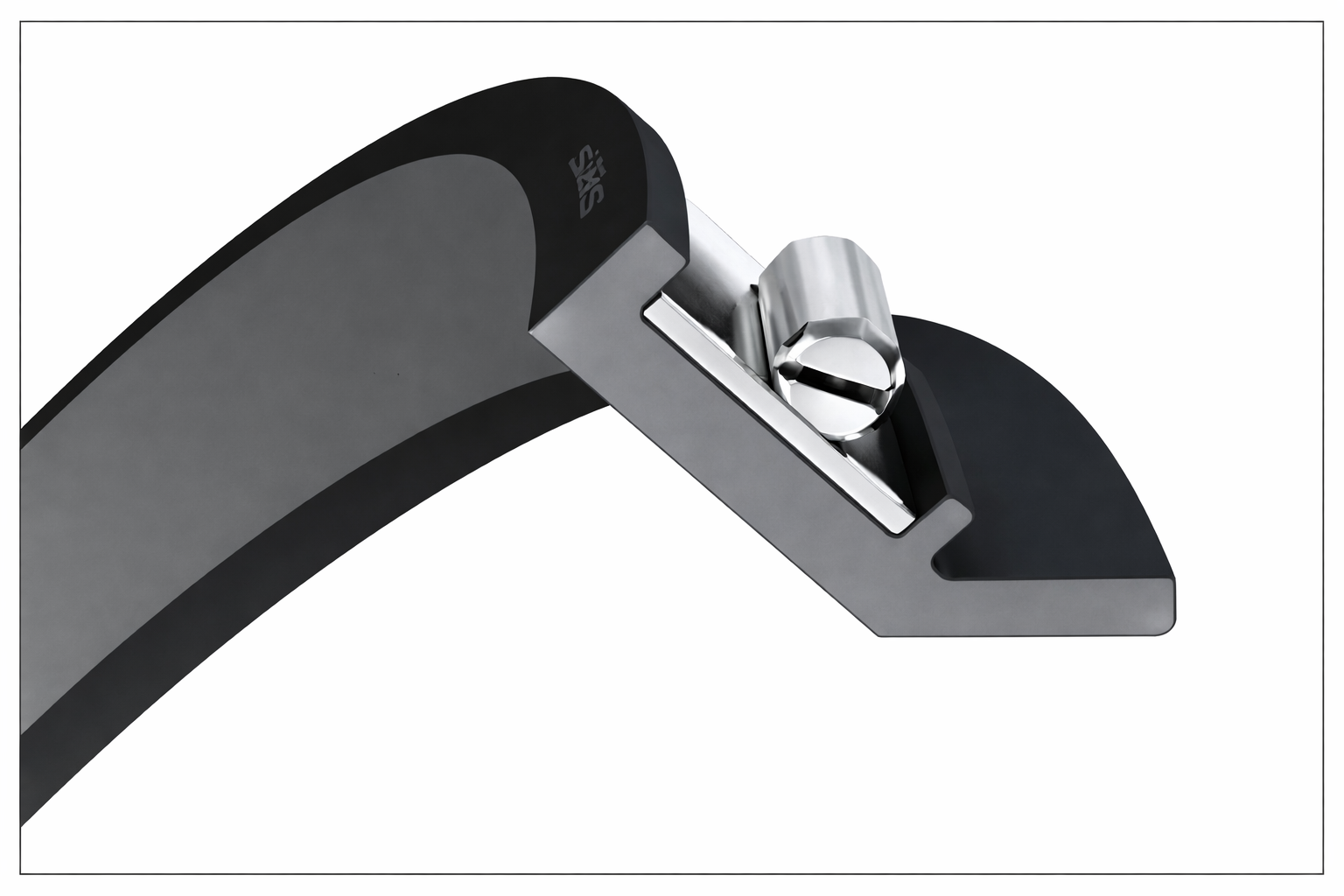
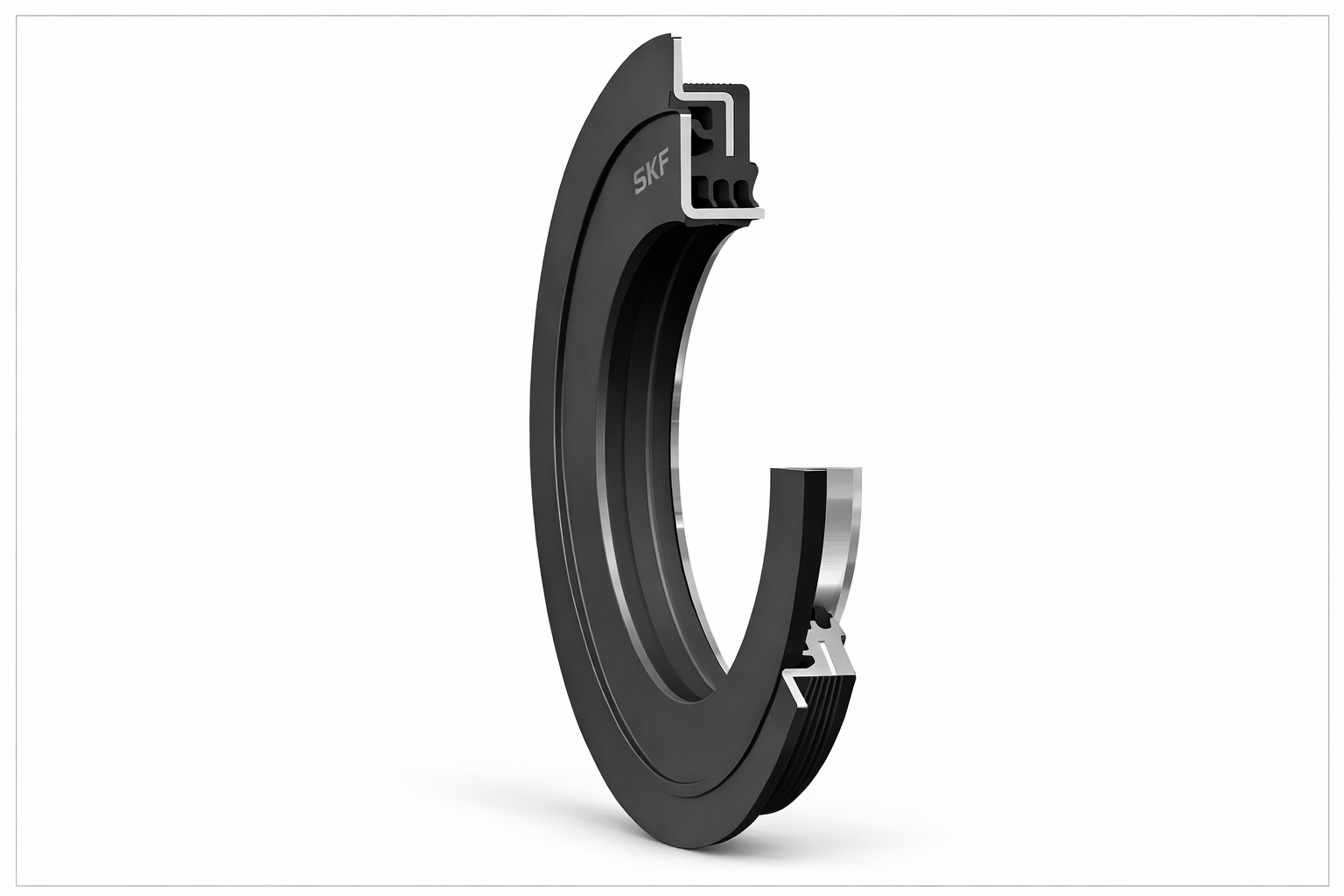
In many hub units, you’ll see a combination of features rather than one simple lip. A primary sealing lip keeps grease in. A secondary lip, often called a dust lip, blocks splash and grit. Some designs also include a deflector or shield to redirect road spray before it reaches the lip.
A useful mental model is to separate sealing into two layers:
- Exclusion: keeping the bad stuff away from the sealing line.
- Retention: keeping grease inside, even with pressure changes and vibration.
If you’re also sorting out broader bearing protection choices (sealed vs shielded vs open), this PIB comparison of sealed vs shielded bearings helps clarify what each closure type can and can’t do.
Common Seal Types in Hub Bearing Units and Where You Will See Them
Most hub bearing unit seals fall into a few families:
- Single-lip contact seals: common where contamination is low and drag must stay low.
- Double-lip contact seals: adds a dust lip for better splash protection.
- Multi-lip seals: used when splash, grit, and pressure pulses are expected.
- Labyrinth-style (non-contact) seals: uses geometry and clearances to resist entry with low friction.
- Cassette seals: multi-piece systems that combine lips, wear rings, and exclusion paths. Common in harsh wheel ends.
Figure 1: Simple view of how exclusion and retention stack up
Retention lip (grease side) → running surface → dust lip (outside) → deflector path → road spray
That stack matters because the dust lip often takes the abuse first. When it’s missing or damaged, the primary lip gets hit directly.
Before buying, ask a few questions that prevent wrong-fit orders:
- What’s the speed and expected surface speed at the seal?
- What temperature does the wheel end see, including braking events?
- What’s the contamination media (salt water, mud, fine dust, chemicals)?
- What’s the running surface condition (finish, hardness, wear grooves)?
- Is there axial movement or noticeable runout in service?
Materials That Take the Heat: NBR, HNBR, FKM, and PTFE in Simple Terms
Seal material is the second half of the decision. Two seals can look identical, yet behave very differently under heat and chemicals.
NBR (nitrile rubber)
NBR is common because it’s cost-effective and works well with many greases. It fits light vehicle duty and moderate temps. However, high heat can harden it over time.
HNBR (hydrogenated nitrile)
HNBR handles higher heat and ozone better than NBR. It’s often chosen for tougher duty cycles where temperature spikes happen.
FKM (fluoroelastomer)
FKM stands up well to high temperatures and many chemicals. It can cost more, so it’s usually picked when heat or chemical exposure drives failures.
PTFE (polytetrafluoroethylene)
PTFE runs with very low friction and can tolerate brief poor-lube moments better than many rubbers. It also resists many chemicals. On the other hand, rubber lips often cope better with runout because they flex more.
Material ranges depend on the exact compound and design. Still, if your failures show hardened lips, glazing, or burnt grease smell, a higher temperature material may be part of the fix.
Why Seals Fail?
Seal failures in the field tend to repeat for the same reasons. The cause often isn’t the seal “being bad.” Instead, a wheel end condition pushes it past its limits.
The most common real-world drivers are:
- Contamination ingress: water and grit get past the exclusion features.
- Installation damage: a nicked lip, bent case, or distorted bore starts a leak path.
- Heat overload: dragging brakes, overload, or high-speed duty cooks the lip and grease.
- Bore or spindle damage: corrosion, fretting, and grooves create a rough running path.
- Grease incompatibility: mixed greases can soften, separate, or lose structure.
- Pressure changes: poor venting can push grease out and pull water in during cool-down.
Even small damage matters because seals work on thin films and tight contact zones. A scratch you can barely see becomes a channel under rotation.
Top Failure Causes: Contamination, Wrong Installation, and Heat
Pressure washing is a repeat offender. A narrow spray aimed at the seal can force water past the dust lip. After that, the next heat cycle turns that water into corrosion and abrasive paste.
Installation is another. If a technician drags the lip across a sharp edge, the seal may look fine but leak under rotation. Likewise, pressing on the wrong surface can distort the seal case. Distortion changes lip contact pressure, and then heat rises.
Heat failures show a pattern. The lip hardens, then it cracks or loses contact. Grease darkens, smells burnt, or separates. In heavy duty wheel ends, brake heat is often the root cause, not the seal itself.
A simple check helps: if the seal area is clean but the hub runs hot, focus on brakes, preload, and bearing condition first.
Quick Field Checks: Noise, Play, Heat, and Grease Clues
You don’t need a teardown to spot early warning signs. Shops and drivers can catch many issues with basic checks.
Here are practical observations that matter:
- Noise change: a new hum that rises with speed can point to contamination damage.
- Play or looseness: movement at the wheel can signal bearing wear or setup issues.
- Heat difference side-to-side: one hot wheel end often means brake drag or seal friction.
- Grease clues: milky grease suggests water. Burnt smell points to heat. Gritty feel suggests dirt.
- Leak patterns: a leak isn’t the only sign. Some seals fail by letting water in first.
If a wheel end runs abnormally hot or shows serious play, stop operating and inspect. Safety comes first, and collateral damage gets expensive fast.
Buying and Installation Tips That Prevent Comebacks
Buying a hub bearing unit seal is easy. Buying the right one for the next 100,000 miles is the hard part.
Before the table, here’s a simple spec view you can use to align teams (purchasing, maintenance, and the shop).
| Vehicle class | Seal type | Material | Temp range (typical) | Speed | Contamination level | Notes |
| Light vehicle (daily road) | Double-lip contact | NBR | -40°F to 212°F | Medium to high | Low to medium | Low noise focus, check drag torque |
| Light vehicle (snow/salt) | Double-lip with exclusion features | HNBR | -40°F to 300°F | Medium to high | Medium | Prioritize corrosion resistance and splash control |
| Medium duty delivery | Multi-lip contact | HNBR | -40°F to 300°F | Medium | Medium to high | Frequent stops raise brake heat |
| Heavy duty highway | Cassette style | HNBR or FKM | -20°F to 400°F | Medium | Medium | Long duty cycles, watch hub temps |
| Heavy duty off-road/washdown | Cassette + strong exclusion path | FKM or PTFE (design-dependent) | -20°F to 450°F | Low to medium | High | Consider wear rings, washdown practices |
Takeaway: the “best” seal is the one that matches your heat and contamination reality, not the one with the most lips.
What to Confirm Before you Order: Dimensions, Runout, and Operating Conditions
Confirm the basics first: OD, ID, width, and any integrated wear ring dimensions. Next, consider what the wheel end does in motion. Runout and misalignment change how the lip rides, so a seal that survives on a passenger car might fail early on a truck with more deflection.
Also document:
- Peak brake heat events (mountains, heavy stops, trailer loads)
- Exposure (salt routes, mud, wash bays)
- Service interval goals
- Any repeated failure pattern (water ingress, lip hardening, rapid wear)
Heavy duty users often need stronger exclusion and higher temperature capability. When you share these duty details with PIB, matching gets faster and comebacks drop.
Installation and Handling Habits that Protect the Seal Lip
Seals fail early when dirt or damage gets introduced during handling. Cleanliness matters because the sealing line is small, and contamination scratches quickly.
A few habits help across most platforms:
- Do keep parts in original packaging until use, so lips stay protected.
- Do inspect the bore and running surface for rust, nicks, or grooves.
- Do use proper drivers, pressing squarely on the correct surface.
- Don’t drag the seal over sharp edges or threads without protection.
- Don’t use sealant where the design doesn’t call for it.
- Don’t mix greases unless compatibility is confirmed.
Torque and preload settings also matter. Incorrect setup can create heat that looks like a seal issue. If the wheel end runs hot right after service, re-check setup and brake drag before blaming the new seal.
FAQ
Are Hub Bearing Unit Seals the Same as Axle Seals?
Not always. Hub bearing unit seals protect the wheel end bearing. Axle seals often protect the differential side. The parts can look similar, but they serve different locations and surfaces.
What’s the Difference Between a Contact and Non-Contact Seal?
A contact seal lip touches the running surface, so it seals well but adds friction. A non-contact design uses small clearances and paths to reduce drag, yet it usually needs cleaner conditions.
Do More Seal Lips Always Mean Better Sealing?
No. More lips can improve exclusion, yet they can also raise friction and temperature. The best design matches contamination level, speed, and heat.
Why do Seals Fail Right after Installation?
Most early failures come from handling damage, misalignment, wrong tools, or a rough running surface. Heat from brake drag or incorrect preload can also cook a new seal quickly.
Can Pressure Washing Damage Hub Seals?
Yes. A tight spray can force water past the dust lip. After that, corrosion and abrasive wear accelerate, especially after heat cycles.
Is a Grease Leak the Only Sign of a Bad Hub Seal?
No. Water ingress can happen without visible leakage. Noise changes, abnormal heat, and milky or gritty grease are common early clues.
Conclusion
Hub bearing unit seals do simple work in a hard place: they manage grease, contamination, and heat at the wheel end. Heavy duty trucks usually need stronger exclusion and higher heat tolerance, while light vehicles often need low drag and quiet operation. When a seal fails, small causes (washdown, runout, handling damage) often create big downtime. Check the PIB online catalog, then contact PIB with vehicle details and duty conditions so you get the right match the first time.