Your cart is empty
 Short Rigid Couplings
 Controlflex Couplings
 Jaw Couplings
 Oldham Couplings
 Bearing Locknuts – TCN
 Double Wide Shaft Collars
 Heavy Duty Shaft Collars
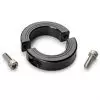 International Series Shaft Collars
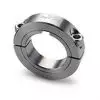 Keyed Shaft Collars
 Mountable Shaft Collars
 Quick Clamping Shaft Collars
 Set Screw Shaft Collars
 Thin Line Shaft Collars
 Threaded Shaft Collars – Pacific International Bearing Products
 Two-Piece Shaft Collars
 Friction Bearing Universal Joints
 Needle Bearing Universal Joints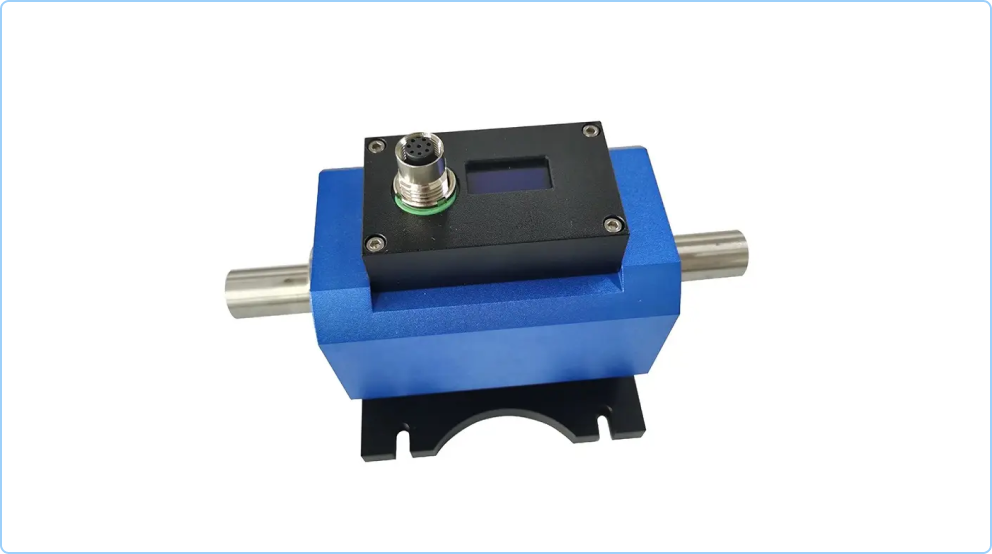
Bearings
TQ908F Dynamic Torque Sensor
19 December, 2025
15 min read
TQ908F Dynamic Torque Sensor unit. The TQ908F is a compact, non-contact rotary torque sensor designed for continuous dynamic torque monitoring in high-speed rotating machinery. It features a wear-free telemetry design (no slip rings or brushes) and operates at speeds up to 8000 RPM continuously (with short-term capability up to 15,000 RPM on lower torque models). This makes it well-suited for long-duration testing and endurance applications where conventional sensors with mechanical couplings would suffer wear. The sensor provides versatile signal outputs, including a pulse-frequency output and standard analog voltage or current signals, allowing easy integration with various data acquisition and control systems. Despite its small size, the TQ908F is built with strong noise immunity and anti-interference characteristics, ensuring stable readings even in electrically noisy industrial environments.
Signal Output Options and Transmission
One of the standout features of the TQ908F is its multiple signal output formats and built-in signal conditioning. This sensor can transmit torque readings as a frequency-modulated signal or as high-level analog outputs, without the need for an external amplifier. The following output options are supported for maximum flexibility:
- Frequency Pulse Output (5–15 kHz): A pulse frequency proportional to torque is generated (with ~10 kHz at zero torque), typically at a 12 V amplitude. This noise-immune frequency output is ideal for long-distance transmission in noisy environments – a remote, stationary pickup can detect the pulses reliably over extended cables. Industrial test stands often prefer frequency signals because they are less susceptible to electrical interference and voltage drop over long runs.
- Current Loop (4–20 mA): The TQ908F can provide a 4–20 mA output, a common industrial standard for sensors. Current loops are highly robust for long cable distances since current signals are not affected by line resistance. This allows the torque sensor to be connected directly to PLCs or data loggers over long distances without signal loss.
- Voltage Outputs (0–10 V, 0–5 V, or 1–5 V): For compatibility with analog input modules and oscilloscopes, the sensor offers configurable voltage outputs. A ±10 V or 0–10 V output gives a full-range voltage signal proportional to torque, useful for high-resolution data acquisition. The 0–5 V or 1–5 V outputs are convenient for interfacing with lower voltage ADC systems or microcontrollers. All these options are available from the same sensor platform, making the TQ908F adaptable to whatever instrumentation is on hand.
With these built-in output choices, the TQ908F effectively has an on-board amplifier and conditioner. It can drive signals over long cables (the included 3 m cable can be extended as needed) while maintaining accuracy. By providing high-level outputs directly, the sensor simplifies installation and ensures signal integrity during transmission. In summary, whether you need a frequency pulse for a counter input or an analog signal for a control system, the TQ908F delivers the appropriate interface without extra converters.
Wear-Free, Non-Contact Sensing Technology
Traditional rotary torque sensors often use slip rings or contact brushes to transmit signals from the rotating shaft, which can introduce friction, wear, and electrical noise. The TQ908F, by contrast, uses a non-contact signal transmission method, resulting in zero mechanical friction and no parts to wear out over time. This wear-free design is a key advantage for 24/7 operations: it enables continuous running in high-speed test rigs without the maintenance downtime associated with replacing worn brushes or cleaning slip rings.
Moreover, the non-contact architecture means the signal quality does not degrade with use – the sensor can maintain its calibration and accuracy over long periods. Non-contact torque sensing typically relies on technologies like rotary transformers or wireless induction to couple power and signals between the rotating shaft and stationary electronics. In the TQ908F, the result is a fully contact-free torque measurement, which not only extends the sensor’s service life but also allows higher rotational speeds. By eliminating physical contact, the sensor can safely reach thousands of RPM (up to 8000 RPM standard) without the heat and noise that friction would generate. This makes it ideal for long-term testing in applications such as motor dynamometers, where the equipment may run for days or weeks continuously. Additionally, non-contact transmission provides excellent signal stability – the conditioned torque signal remains stable and accurate even as the machinery spins at high speed, because there are no intermittent contact losses or electrical noise spikes. Overall, the TQ908F’s wear-free design translates to lower maintenance, higher reliability, and confidence in the data over the entire test duration.
Mounting and Size Options
The TQ908F series covers a wide range of torque capacities from 5 N·m up to 5000 N·m, offered in several scaled housing sizes to accommodate different load levels. Each model shares the same operating principle and output features, but the mechanical dimensions (shaft diameter, length, and housing size) increase for higher torque ratings to withstand greater mechanical stress. For example, a low-capacity model (5–100 N·m range) is very compact – on the order of only a few inches long – making it easy to integrate into small motor test benches or inside an engine bay. In contrast, the highest capacity model (3000–5000 N·m range) has a larger, more robust body and thicker shaft diameters suited for heavy-duty applications like industrial gearbox testing or large dynamometer setups. All versions are designed for straightforward in-line mounting in a drive train. The sensor has shaft ends with standard keyed connections, allowing it to be coupled between a drive motor and load using couplings or clamps. The inclusion of a keyway on each shaft (with key provided in the package) ensures secure torque transfer without slippage. This means engineers can insert the TQ908F into existing setups with minimal modifications – simply connect the sensor’s input and output shafts to the system’s shafts via appropriate couplers, align the keys, and the sensor is ready to measure torque.
Figure 2: Dimensional drawing of a TQ908F sensor (5–100 N·m model). Compact housing and shaft geometry allow easy integration into various machines. Larger torque models of the TQ908F have proportionally bigger housings and shaft diameters to handle higher loads, but the overall form factor remains relatively short and inline, preserving space in the assembly. The mounting drawings (available for each range) show that even the 5000 N·m unit maintains a practical size for installation. The scalability of the TQ908F means that whether you are instrumenting a small electric motor or a large industrial gearbox, you can select a model with an appropriate torque range and physical size. Integrators appreciate the consistent design across the range, as it simplifies adapting fixtures or couplings when scaling up to a higher torque capacity. In all cases, alignment and installation are straightforward, enabling quick deployment onto test rigs or production machinery.
Technical Specifications and Environmental Performance
In terms of performance specifications, the TQ908F Dynamic Torque Sensor delivers high precision and robust ratings suitable for industrial use. Below are key technical specifications and environmental parameters for the TQ908F:
- Torque Ranges: Models available for 5 N·m up to 5000 N·m full scale, in multiple range increments. This wide selection covers both low-torque and high-torque needs with optimal accuracy.
- Accuracy (Non-linearity): ±0.2% of full scale (typical), with ±0.5% on some higher ranges. This high accuracy ensures reliable measurements for precise torque monitoring and control. The sensor also boasts good repeatability and zero stability, critical for consistent long-term testing.
- Maximum Speed: 0–8000 RPM continuous operation standard, even under load. An optional high-speed version supports up to 15,000 RPM for low-capacity models (5–100 N·m), catering to very high-speed motor or spindle tests.
- Power Supply: ±15 V DC when using frequency output, or 24 V DC when using the conditioned analog outputs. The dual supply options reflect the internal electronics requirements for different output modes.
- Signal Outputs: Frequency 5–15 kHz (with 10 kHz at zero torque, 12 V amplitude), 4–20 mA, 1–5 V, or 0–10 V (factory configurable). All outputs are linear with torque. The frequency output provides a digital-like pulse train, whereas the current/voltage outputs provide analog feedback, giving flexibility in interfacing.
- Operating Temperature: -20 °C to +60 °C ambient. The sensor is temperature-compensated for stable output within this range, suitable for typical laboratory and factory environments.
- Relative Humidity: 0–90% RH non-condensing. The sensor can operate in humid conditions, though it should be protected from direct moisture ingress (housing is typically enclosed, and connectors are sealed).
- Insulation Resistance: ≥ 2000 MΩ at 100 VDC between the electrical circuit and the shaft/housing. This high insulation resistance ensures electrical isolation and safety, preventing ground loops or interference through the chassis.
- Overload Capacity: 150% of rated torque (safe overload). The unit can tolerate occasional torque spikes up to 1.5 times its capacity without damage, providing a buffer against unexpected loads or start-up conditions.
- Annual Stability: Drifting ≤0.25% of full scale per year. This long-term stability indicates the sensor’s calibration remains reliable over time, which is important for long test campaigns and reduces the need for frequent recalibration.
- Environmental Protection: The TQ908F features a sealed, all-metal construction. While a specific IP rating isn’t stated, the design protects the internal strain gauges and electronics from dust and moderate moisture. (For very harsh or wet conditions, additional enclosure or higher IP-rated models may be used.)
- Packaging and Accessories: Each sensor comes with a complete package including the torque transducer itself, a matching key for the shaft keyway, an instruction manual, a calibration certificate, and a 3-meter shielded connection cable. This ready-to-use package allows engineers to quickly hook up the sensor and verify its calibration out of the box.
These specifications underline the TQ908F’s capability to perform in demanding scenarios. The combination of high accuracy, broad temperature/humidity tolerance, and solid overload protection makes it reliable for both laboratory and industrial environments. Its performance is comparable to other high-end rotary torque transducers, with the added benefit of multiple output formats in one unit.
Typical Applications
Thanks to its robust design and flexibility, the TQ908F Dynamic Torque Sensor is used across a range of applications in engineering, R&D, and industrial monitoring. Some typical applications include:
- Automation Test Benches: In automated test rigs for motors and drivetrains, the TQ908F can continuously measure torque as machines run through endurance cycles. Its high-speed and non-contact attributes allow it to run for long periods in motor test benches or pump test stands without maintenance, providing real-time torque feedback for performance analysis.
- Electric Motor Torque Monitoring: For electric motors (AC servo motors, EV motors, etc.), the sensor can be mounted between the motor and load to monitor output torque under varying speeds and loads. This is crucial in motor efficiency mapping and verifying control algorithms. The frequency output is particularly useful for capturing dynamic torque changes in electric motor testing and for interfacing with high-speed data acquisition in inverter-driven systems.
- Gearbox Development and Testing: Gearbox and transmission developers use the TQ908F to measure input and output shaft torque to determine transmission efficiency and load distribution. The wide torque range (up to 5000 N·m) and high accuracy make it suitable for gearbox test stands, from small precision gearboxes to large industrial reducers. Engineers can gather torque vs. speed data across the gearbox to identify losses and improve gear designs.
- EV Driveline R&D: In electric vehicle powertrain research, the sensor can be integrated into driveline test setups to measure torque in axles, drive shafts, or between an electric motor and a differential. The sensor’s ability to handle high RPM and provide dual outputs (frequency for data logging and analog for controller input) is valuable in evaluating EV components under realistic operating conditions. Its non-contact design ensures that high-speed rotations typical in EV drivetrains (10,000+ RPM) are accommodated safely.
- Industrial Equipment Diagnostics: The TQ908F also serves in predictive maintenance and diagnostic roles. By installing it on rotating equipment (such as compressors, generators, or machine tool spindles), maintenance engineers can monitor torque for signs of trouble. An increasing torque requirement to maintain the same speed may indicate developing faults like bearing friction or misalignment. Sudden torque spikes can signal a jam or overload. The sensor’s fast response and continuous output allow such events to be detected and addressed before they lead to catastrophic failures, improving safety and reducing downtime.
These examples illustrate the sensor’s versatility. Whether in a controlled lab setting or on the factory floor, the TQ908F provides dependable torque measurements that help engineers optimize performance, ensure quality, and prevent equipment damage. From automotive and aerospace R&D to general industrial machinery, any scenario involving a rotating shaft and the need to know its torque in real time can benefit from this sensor’s capabilities.
FAQ Summary
For completeness, here is a summary of frequently asked questions and answers regarding the TQ908F Dynamic Torque Sensor:
- What is the lead time for getting a sensor? Standard models are stocked and can typically ship within 2 weeks of order, meaning you can integrate the sensor into your project quickly. [email protected]
- Can custom sizes or modifications be made? Yes. The manufacturer offers customization services. If the standard TQ908F dimensions or ranges do not fit your needs, they can design modified torque sensors (or even entirely custom designs) to suit specific requirements.
- How much industry experience backs this product? The company has over 20 years of experience in torque sensor design and manufacturing. This long track record in sensor development contributes to the reliability and performance of the TQ908F. Customers can trust that the product is built on mature, proven technology.
- What certifications does the TQ908F have? The product is developed and produced under an ISO 9001 certified quality management system, and it carries the CE certification for compliance with international safety and EMC standards. These certifications demonstrate adherence to quality and regulatory requirements. (Additional certifications or test reports may be available upon request, for specific industry standards.)
If you have further questions about installation, calibration, or integration of the TQ908F, the manufacturer provides detailed documentation and support. They also accommodate OEM requests, meaning the sensor can be private-labeled or adapted for integration into your own equipment if needed.
Conclusion
In summary, the TQ908F Dynamic Torque Sensor offers a powerful combination of features for engineers and equipment designers: multi-format signal outputs, a compact and scalable form factor, non-contact wear-free operation, and high-speed capability up to 8000+ RPM. These attributes make it a reliable solution for long-term torque measurement in demanding applications, from precision test benches to heavy-duty industrial systems. The sensor’s ability to provide direct conditioned signals (frequency or analog) simplifies its use in a variety of control and monitoring setups, while its robust construction ensures longevity and accuracy over time.
Engineers interested in implementing the TQ908F can reach out for more information or a quote. The device is typically available from stock for common ranges, and the manufacturer can assist with selecting the right model or developing custom configurations if necessary. By choosing the TQ908F, you equip your rotating machinery with a high-quality torque feedback device that will enhance testing, control, and diagnostic capabilities. Contact our engineering team or visit the product catalog to inquire about TQ908F availability, pricing, or tailored solutions for your project.