Your cart is empty
 Short Rigid Couplings
 Controlflex Couplings
 Jaw Couplings
 Oldham Couplings
 Bearing Locknuts – TCN
 Double Wide Shaft Collars
 Heavy Duty Shaft Collars
 International Series Shaft Collars
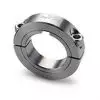 Keyed Shaft Collars
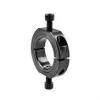 Mountable Shaft Collars
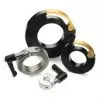 Quick Clamping Shaft Collars
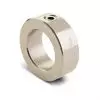 Set Screw Shaft Collars
 Thin Line Shaft Collars
 Threaded Shaft Collars – Pacific International Bearing Products
 Two-Piece Shaft Collars
 Friction Bearing Universal Joints
 Needle Bearing Universal Joints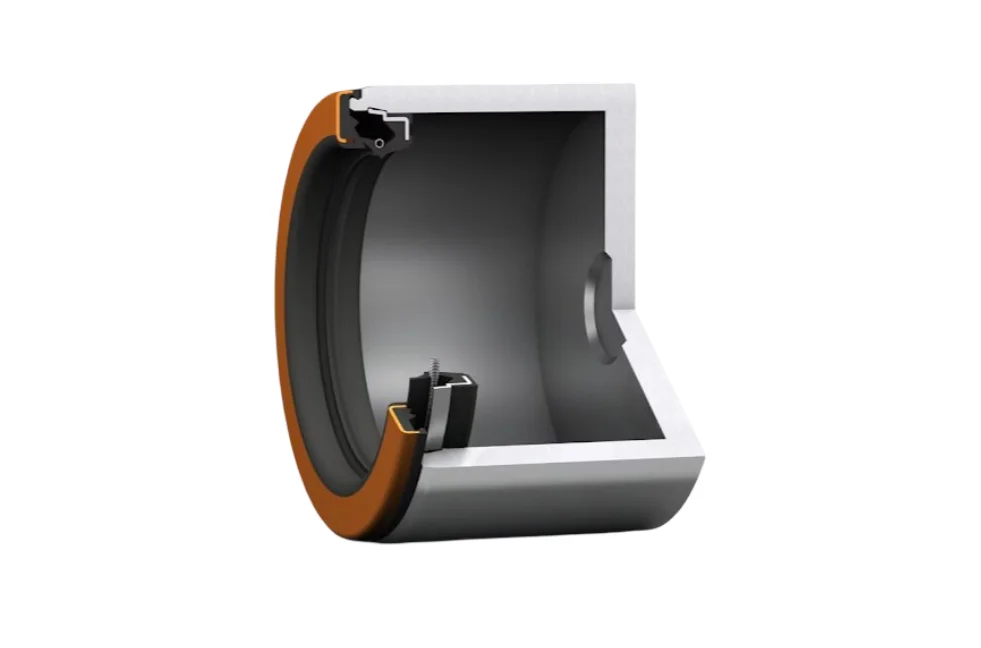
Bearings
Universal Joint Seals: Keeping Your U‑Joints Greased and Running
22 April, 2026
10 min read
Universal joint seals keep grease inside the U‑joint bearing cups while blocking water, dirt, and road debris, so the needle bearings stay lubricated and quiet. Pacific International Bearing Sales (PIB) guides you to the right seal style (truck vs. car design), material, and fit to extend joint life and reduce downtime.
Key Takeaways
- Grease retention & contaminant exclusion: U‑joint seals prevent lubricant leaks and block dirt/water, dramatically extending bearing life.
- Designs for different vehicles: Heavy trucks often use SKF’s two-stage seal (outer cuff + inner spring seal) for maintenance-free operation, while cars typically use multi‑lip nitrile seals.
- Choose by conditions: Select seals based on shaft speed, dirt exposure, and service interval (e.g. off-road vs. highway). Matching the seal to the application avoids premature failures.
- For quotes, provide accurate measurements (lock-up span and cup diameter) and application details. Correct specs up front ensure the right seal is delivered quickly.
What Universal Joint Seals Do
A universal joint (U‑joint) transmits torque between misaligned shafts (like a driveshaft). Each U‑joint has four needle-roller bearings, each inside a steel cup pressed into the yoke. A U‑joint seal is the rubber lip at each cup end that keeps the bearing’s grease in and contaminants out. Essentially, the seal sits between the rotating shaft and the joint housing. A properly seated seal stops oil or grease from leaking out while keeping grit, water, and debris from entering.
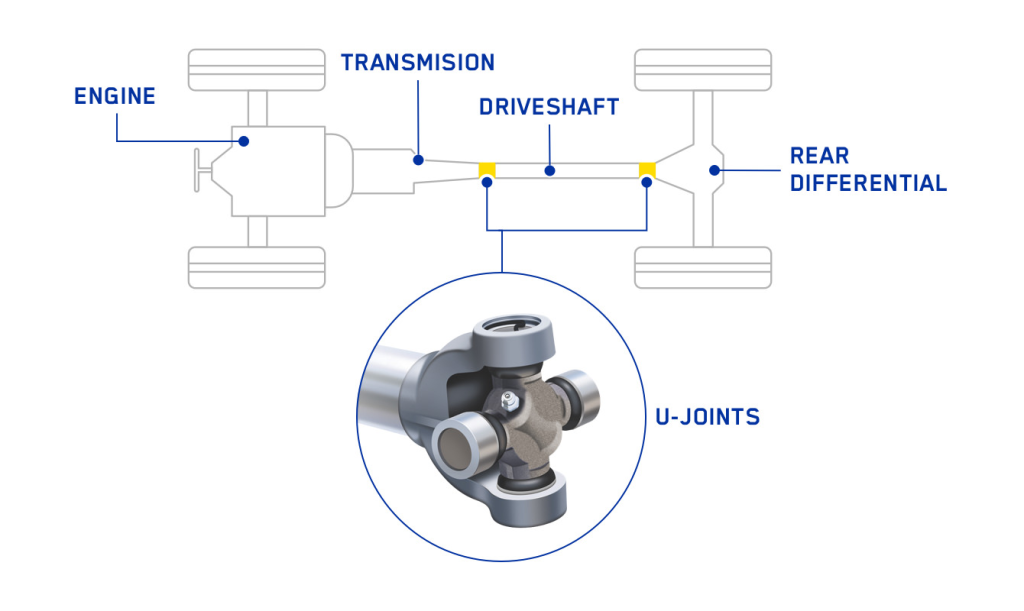
Figure 1 – U‑joint bearing cup and seal
A correct seal makes a big difference. For example, one truck fleet had to rebuild U‑joints weekly due to leaking seals. After switching to SKF’s dual-seal design for trucks, the grease stayed contained and rebuilds went from weekly to years apart. That one change eliminated downtime and maintenance costs – a practical outcome of using the right universal joint seal.
SKF’s Design Approach to U‑Joint Seals
SKF’s universal joint products highlight two main sealing strategies:
- Two-seal solution (trucks/off-road): An outer cuff seal provides a rigid barrier against dirt and water, and an inner spring-loaded garter seal (usually nitrile rubber with a steel insert) maintains contact pressure on the cross journal. This layered design is aimed at “virtually maintenance-free” operation on heavy vehicles. Even if particles breach the outer cuff, centrifugal force tends to trap them between seals, protecting the bearing.
- Multi-lip seal (passenger cars): In compact car joints, SKF often uses a flexible, multi-lip nitrile seal in the cup. As SKF notes, these seals are “pliable, yet tough and tear resistant” for grease retention and contaminant exclusion. The multiple lips wipe along the shaft, balancing low friction with high sealing performance under high speed.
SKF also mentions rubber-coated metal inserts in seals for corrosion protection. The right combination of lip design, spring, and material ensures the seal stays effective over a broad temperature range. In sum, SKF’s approach is to match seal style to the application: robust two-stage seals for heavy-duty shafts, and multi-lip designs where space and cost are tighter. PIB follows this approach, advising customers to pick a seal based on operating conditions, not just part number.
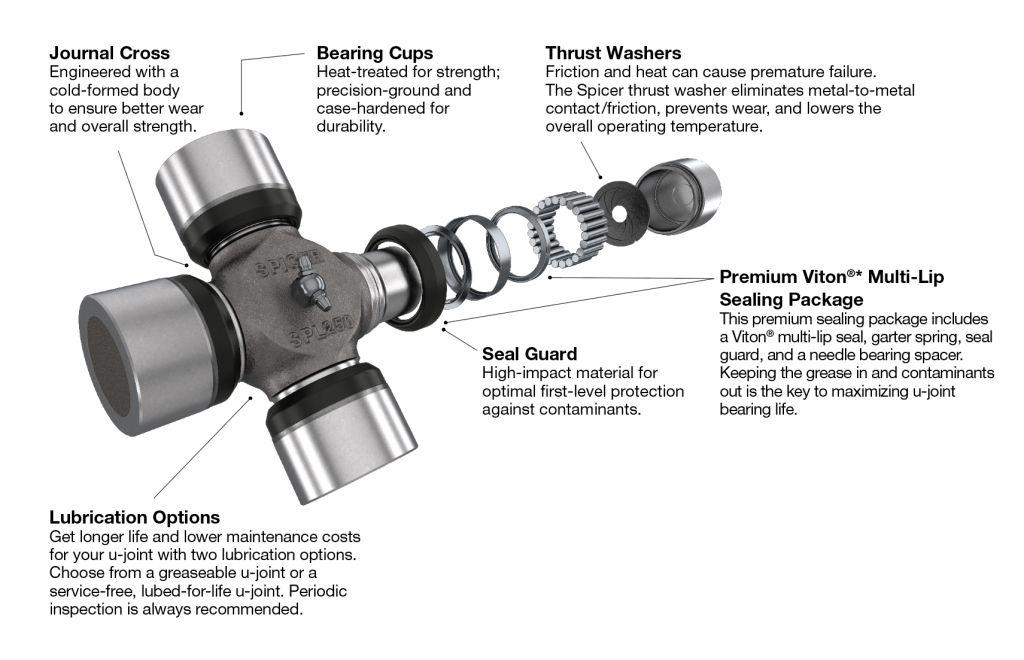
Figure 2 – Truck driveline U‑joint with dual seals on each bearing cup: an outer cuff seal plus an inner spring seal.
Specifications & RFQ Checklist
When requesting a U‑joint seal quote through PIB, providing the right details up front avoids back-and-forth delays. Use the table below as a checklist for what to include. Many items come from SKF’s U‑joint catalogs and industry practice.
| Specification / Question | Why It Matters | How to Measure / Provide | Notes / Tips |
| Application / Vehicle type | Trucks, cars, or industrial joints differ in sealing needs. Heavy contamination often needs more robust seals. | Describe the application (e.g. off-road truck, highway truck, passenger car) and environment (dust, water exposure). | Heavy mud/sand or washdown requires seals designed for harsh conditions. |
| Joint type / Kit number | Identifies yoke size and bearing style (inside vs. outside snap ring, etc.). | If known, provide the OEM part or joint series number. Otherwise, note snap-ring locations. | Inspect the old joint or service manual for part IDs or snap-ring style. |
| Lock-up (span) dimension | Critical fit between yoke ears | Assemble cups on the cross, install snap rings or lock plates, remove any seals, then measure across the installed snap rings (or cups for OSR style) with calipers. | For inside-snap-ring joints, measure across the outer edges of the two snap rings to get the lock-up. |
| Bearing cup outside diameter | Ensures the seal matches the cup size. | After removing seals (or clamping cups in place), measure each cup’s outer diameter with calipers. | Some U-joints use two different cup diameters; measure all cups present. |
| Cup width (height) | Helps confirm the bearing series. | Measure the total height of a cup (flat face to outer face). | SKF catalogs sometimes reference this as “C to C” distance. |
| Corrosion/environment notes | High moisture or corrosives need tougher seals. | Note if the shaft sees saltwater, washdowns, acids, etc. | May call for PTFE or fluorocarbon seals, or special greases. |
| Grease / lubrication | Verify compatible grease or pre-fill conditions. | Mention if OEM grease type or lubrication interval is specified. | Using the wrong grease can harm seal life; match OEM specs. |
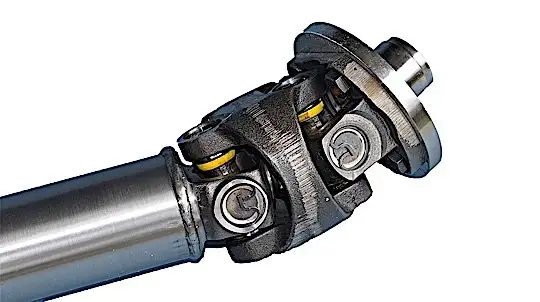
Figure 3 – A U‑joint in a dirty environment; heavy debris emphasizes why robust sealing is needed to keep bearings clean.)
Troubleshooting Table
| Symptom | Likely Cause | Next Steps |
| Grease on U-joint exterior | Seal lip torn or badly worn (losing grease). | Inspect seal lips for damage or cracks; replace with correct size seal. Check cup fit. |
| Debris inside bearing cup | Outer cuff or wiper seal failed, letting dirt in. | Examine or replace outer seal; consider higher-grade seal if contamination is constant. |
| Seal lip hard/brittle | Material aged or exposed to extreme heat/chemicals. | Replace seal; choose material (e.g. Viton) suited to the high temperature or chemical environment. |
| Frequent re-greasing needed | Ineffective seal or grease had wrong viscosity. | Ensure seals are correct for joint; refill with OEM-spec grease to full capacity. |
Frequently Asked Questions
What are power transmission (bearing) seals?
These are components used wherever a rotating shaft passes through a housing. They act as a barrier: keeping lubricants (oil or grease) on the inside and preventing dirt, water, and particles from getting into the machinery. In other words, seals protect bearings and gears by retaining oil/grease and excluding contaminants.
How does a U-joint seal work?
A U-joint seal typically has a rubber lip that rides on the cross journal. As the shaft turns, the lip flexes and wipes against the journal, creating a tight barrier. This dynamic contact keeps grease inside the bearing cup and keeps external debris out, as explained by SKF’s sealing principles.
Can I use a boot cover instead of a seal on an industrial U-joint?
In some clamp-style (conveyor) U-joints, boots are used as protective covers and can be pre-greased for long life. PIB’s joint guide notes that packing boots with grease can effectively eliminate the need for service (“infinite life”)[10†L164-L166]. However, on automotive-style U-joints (needle bearings in cups), the rubber seal itself is what prevents grease loss. In those cases, you’d replace the metal-backed rubber seal, not a boot.
What information do I need to order the correct U-joint seal?
Provide the lock-up dimension and cup outside diameter. For example, SKF’s method is: assemble the cups, install snap rings, remove seals, and measure across the outside of the snap rings to get the lock-up dimension. Also measure each cup’s OD. Combine these with your application notes (truck vs. car, environment) so PIB can select the right seal on the first try.
How can PIB help me find the right seal?
Pacific International Bearing Sales is a leading bearing and power-transmission supplier. PIB’s online catalog lists hundreds of industrial seals, and their engineers can guide you on seal selection and sizing. Whether you need SKF, NMB, or other brands, PIB helps you specify the optimal seal that maximizes uptime and reduces maintenance.
Use the PIB online catalog to select most suitable bearing
Start with the PIB online catalog to filter by category (bearings, radial ball bearings, rod ends, spherical plain, thin section, thrust, etc.), then narrow by dimensions and manufacturer series.
For several categories, PIB also notes you can download brand PDFs that cover specs, dimensions, and applications—useful when you want an RFQ package that engineering and purchasing both trust.
Call 800-228-8895 or email [email protected].