Your cart is empty
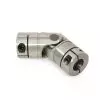
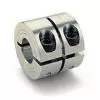 Short Rigid Couplings
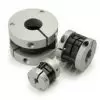 Controlflex Couplings
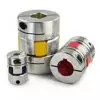 Jaw Couplings
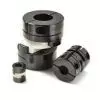 Oldham Couplings
 Bearing Locknuts – TCN
 Double Wide Shaft Collars
 Heavy Duty Shaft Collars
 International Series Shaft Collars
 Keyed Shaft Collars
 Mountable Shaft Collars
 Quick Clamping Shaft Collars
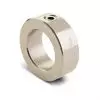 Set Screw Shaft Collars
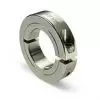 Thin Line Shaft Collars
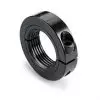 Threaded Shaft Collars – Pacific International Bearing Products
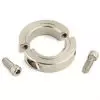 Two-Piece Shaft Collars
 Friction Bearing Universal Joints
 Needle Bearing Universal Joints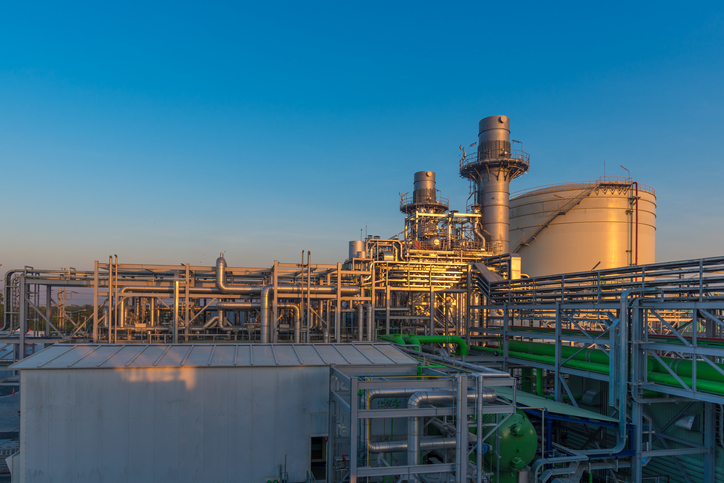
Industries
Power Generation Bearings
01 May, 2026
8 min read
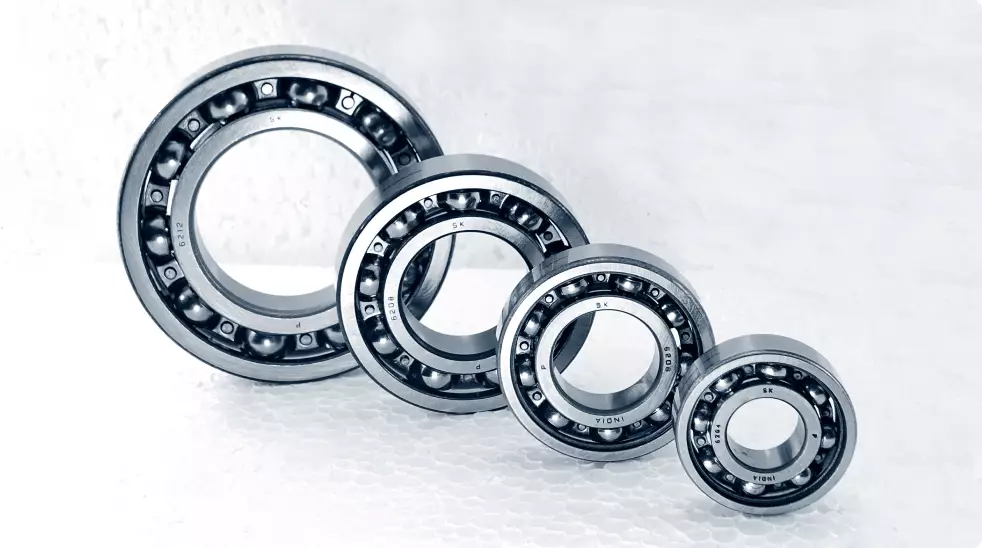
Power Generation Bearings are the specific types of bearings used in applications which produce electric power. Magnetic, hydrodynamic and rolling bearings are the three basic types of thrust bearings applied in power generation machinery. Rolling bearings are common in smaller units, hydrodynamic bearings in large turbomachinery, and magnetic bearings in high-speed, low-vibration, oil-free applications. Typical rolling element thrust bearings are specified in smaller generators and wind turbines. The use of magnetic bearings are used in special applications such as the SKF magnetic bearings used in a heat and power generation plant.
Key Takeaways
- Power generation bearings include magnetic, hydrodynamic, and rolling element thrust bearings, and each type fits different generator and turbine applications.
- Hydrodynamic bearings are widely used in gas, steam, and water turbine power generation systems because they handle heavy rotating equipment well.
- Magnetic bearings operate without surface contact, which reduces friction, wear, lubrication needs, and maintenance in the right applications.
- Magnetic bearing systems are often used where high speeds, low vibration, and precise shaft control matter, including turbo-generators, microturbines, and reactor-related equipment.
- Polymer bearing surfaces can handle higher temperatures than babbitt in some designs, with operating limits up to 250 C (482 F).
What Types of Bearings Are Used in Power Generation?
Power generation machinery mainly uses three bearing categories: rolling bearings, hydrodynamic bearings, and magnetic bearings. Each type fits a different operating profile.
Rolling bearings are common in smaller generators, auxiliary systems, and wind-turbine-related applications where standard rolling-element support is practical. The current page specifically mentions rolling element thrust bearings in smaller generators and wind turbines.
Hydrodynamic fluid film bearings are standard in large rotating equipment such as steam turbines, gas turbines, turbo-generators, and major pumps because they support heavy loads and suit continuous-duty turbomachinery. Waukesha Bearings specifically lists combustion turbines, steam turbines, turbo-generators, and large rotating auxiliaries in power generation.
Magnetic bearings are used in selected power-generation systems where contact-free support, low vibration, and oil-free operation are valuable. SKF specifically names microturbines, turbogensets, and water turbines.
Bearing applications
SKF magnetic bearings are found in light and heavy rotating machines like water turbines, turbo gensets, and microturbines.
Hydrodynamic bearings are generally in use in almost all power generation whether it be through gas or steam generators and or water turbines. A water turbine has a rotary motion and converts kinetic energy into mechanical work. Initially water turbines were widely used for industrial power before electrical grids but are still used for electric power generation today. It is common to see water turbines used in Dams to generate power
SKF magnetic bearings operate with no surface contact and are essentially frictionless. Magnetic bearings are free from wear as compared to typical rolling bearings. Using electromagnets cause forces that are generated for both radial and axial movements and are used to levitate the shaft. In applications utilizing Magnetic bearings a control system is employed for maintaining the electric current in the electromagnets for shaft positioning.
Benefits to using Magnetic bearings
Benefits to using Magnetic bearings over rolling bearings are better reliability and zero maintenance. Magnetic bearings do not require oil and have no maintenance . Magnetic bearings can operate in a vacuum environment and in process gas applications.
SKF MAGNETIC BEARING

Bearing Companies like SKF offer over 130,000 magnetic bearings and high speed electric motor references in numerous countries. SKF Magnetic bearings are highly specified in applications where low vibration and high speeds are required.
Hydrodynamic fluid film bearings and magnetic bearings systems are found in many applications including fossil-fuel and nuclear applications. Other applications include reactor coolant pumps, boiler feedwater pumps, nuclear ancillary blowers,combustion turbines, steam turbines, and turbo-generators. In use for these applications are electromagnetic Journal bearings with custom tilt pad and fixed profiles. Pacific International Bearing can provide expert application help for any custom designs. Proper design of features ensures the electromagnetic journal bearings transfer radial loads with very little power loss and optimize dynamic operation.
Electromagnetic fixed profile thrust bearings are used for lightly loaded applications. Tilt pad designs with advanced tilting pad solutions are for more difficult operating conditions especially with axial vibration.
Some manufacturers offer Electromagnetic bearings offer Polymer Bearing Surfaces
High-performance polymer materials, combined with an optimized bearing design, can allow continuous operation under high loads and temperatures, low-viscosity fluids and adverse conditions. Polymer materials have operating temperature capabilities of up to 250°C (482°F), compared to 130°C (266°F) for babbitt.
Waukesha video on how magnetic bearings operate.
Frequently Asked Questions About Power Generation Bearings
What types of bearings are used in power generation?
The article names three core types: magnetic bearings, hydrodynamic bearings, and rolling element thrust bearings. Hydrodynamic bearings are common in large power generation equipment, while rolling element thrust bearings are more typical in smaller generators and wind turbines.
Why are magnetic bearings used in power generation equipment?
Magnetic bearings are used because they operate without surface contact. That means less friction, no oil requirement, reduced wear, and lower maintenance in applications that need high speed, low vibration, or precise shaft positioning.
Where are hydrodynamic bearings commonly used in power generation?
Hydrodynamic bearings are used in gas turbines, steam turbines, and water turbines. The article also points to broader use across fossil-fuel and nuclear applications, including pumps, blowers, and turbo-generators.
What are the benefits of magnetic bearings over rolling bearings?
The main benefits listed here are better reliability, zero maintenance, no oil requirement, and the ability to operate in vacuum or process gas environments. Those are strong differentiators when uptime and operating conditions matter.
What industries or systems use electromagnetic journal and thrust bearings?
The page mentions fossil-fuel and nuclear applications, reactor coolant pumps, boiler feedwater pumps, combustion turbines, steam turbines, and turbo-generators. It also notes that fixed profile thrust bearings are used for lighter loads, while tilt pad designs are used in tougher operating conditions with axial vibration.
Get help selecting bearings for turbines, generators, or pumps.
Contact us for further discussion and assistance for magnetic bearings.