Your cart is empty
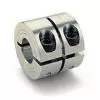 Short Rigid Couplings
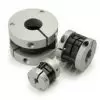 Controlflex Couplings
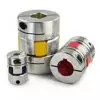 Jaw Couplings
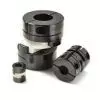 Oldham Couplings
 Bearing Locknuts – TCN
 Double Wide Shaft Collars
 Heavy Duty Shaft Collars
 International Series Shaft Collars
 Keyed Shaft Collars
 Mountable Shaft Collars
 Quick Clamping Shaft Collars
 Set Screw Shaft Collars
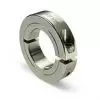 Thin Line Shaft Collars
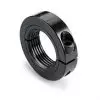 Threaded Shaft Collars – Pacific International Bearing Products
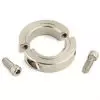 Two-Piece Shaft Collars
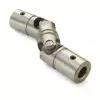 Friction Bearing Universal Joints
 Needle Bearing Universal Joints
Power Transmission
Power Transmission Seals
12 February, 2026
14 min read
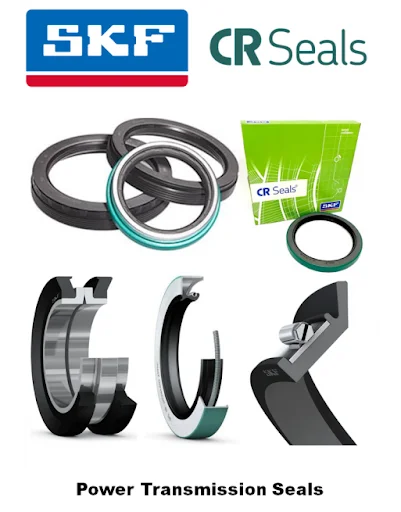
Power transmission seals are critical components in any rotating machine. They sit between moving shafts and stationary housings to keep oil and grease in while keeping dirt, water and debris out. In practice this means seals prevent leaks and contamination that would otherwise damage bearings, gearboxes, pumps and other parts. With the right seal in place, equipment runs longer and more reliably, saving maintenance time and cost. Pacific International Bearing Sales (PIB) offers a wide range of high-quality seals for power transmission and industrial applications, helping businesses optimize performance and minimize downtime
Power transmission seals are engineered to handle demanding conditions: high speed, pressure, temperature, and corrosive media. In real-world terms, a good seal means smoother operations on the factory floor and fewer emergency fixes. As one maintenance manager put it, “A durable seal fixed our leaky pump and gave us weeks of extra run time before the next service.” That human impact, machines that keep running when they should, is at the heart of what seals deliver. High-performance seals (like SKF’s CR series) combine tough materials and smart lip designs to extend bearing life and reduce fluid loss. In short, seals protect your machinery so you can focus on production, not repairs.
How Power Transmission Seals Work
Power transmission seals act like guards and retainers at the shaft interface. Key functions include:
- Retaining lubricants: Seals prevent oil or grease from leaking out of gearboxes, motors, pumps, or hydraulic cylinders. Keeping lubricant in place ensures bearings and gears stay slippery and wear slowly.
- Blocking contaminants: Dust, water, and industrial debris are kept out of sensitive areas. This prevents abrasive particles from entering bearings or fluid passages and causing failures.
- Managing pressure: Some seals are designed to hold back fluid pressure or vent it in a controlled way. This is crucial in pumps, compressors, and hydraulic systems.
- Reducing friction: Advanced seals (like SKF Wave lip seals) actually reduce drag on the shaft, improving efficiency and cutting heat buildup.
Technically, a power transmission seal typically sits between a rotating shaft and the machine housing. The seal lip rides on a smooth counterface, creating a tight barrier. As the shaft turns, the seal’s rubber or elastomer lip flexes and wipes the surface to keep fluids in and grit out. In real machines, from wind turbines to factory conveyors, these seals make sure everything stays clean and lubricated under the toughest conditions.
Types of Seals and Their Key Features
Different applications demand different seal designs. Below is a comparison of common power transmission seals, highlighting materials, typical uses, and key features:
| Seal Type | Materials | Typical Applications | Key Features |
| Radial Shaft Seals | Rubber (Nitrile/Viton), Fluorocarbon | High-speed pumps, gearboxes, turbines | Durable and wear-resistant; keeps lubricant in while excluding dirt. Often metal-cased for rigid support. |
| Cassette Seals | Elastomer, Polyurethane | Heavy equipment (construction, off-road vehicles), automotive systems in dirty environments | Multi-lip design with built-in wear sleeve for extra protection against contaminants. Ideal for muddy, wet conditions. |
| Track Pin Seals | Nitrile, Polyurethane | Excavators, dozers, and other off-highway vehicles | Heavy-duty sealed unit for oil-lubricated chain links or track pins. Robust barrier against sand and mud. |
| V-Ring Seals | Nitrile, Silicone | Secondary shaft sealing (motors, pumps) | Simple, easy-to-install axial seal. Can stretch over flanges, provides effective dust exclusion at low speed. |
| Metal Face Seals | Stainless Steel, Carbon | Tracked vehicles, construction machinery, marine drives | Metal-to-metal seal for very abrasive, low-speed conditions. Handles mud, soil, water and high temperatures. |
Each seal type solves a different challenge. For example, radial shaft seals are the go-to for rotating equipment needing high-speed sealing, while cassette seals add an extra wear sleeve for equipment exposed to heavy contamination. V-rings and axial excluders act as secondary dust protectors on shafts. The table above is a quick overview of specific applications (speed, shaft size, fluid type, dirt level) that will guide the right choice.
Real-World Impact: Before-and-After
Consider a hydraulic pump on a factory floor. Before: The pump’s old seal was worn, so oil gradually leaked out onto the floor. Maintenance crews had to top off the fluid weekly, and gritty grime got inside the pump, scuffing its bearings. Unplanned downtime was common, and messy leaks were a safety hazard. After: The plant fitted a new SKF radial shaft seal (sourced through PIB). The leak stopped completely. Oil level stayed stable for months, and the pump ran cooler and quieter. Bearing life extended, and the maintenance schedule could be pushed out longer.
This kind of improvement happens across many systems. In an automotive assembly plant, for example, replacing hard-to-source Cassette seals in a wheel-bearing assembly led to smoother production runs and less scrap. On a wind farm, upgrading gearbox seals prevented water ingress during storms, allowing turbines to operate through bad weather. These success stories come down to one thing: seals solve the everyday problems of reliability. The before-and-after difference is measured in saved hours, lower fluid costs, and machines that simply run without interruption.
Applications Across Industries
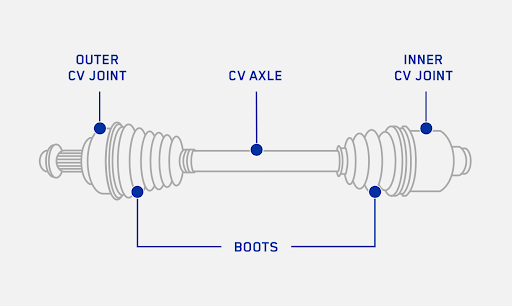
Automotive & transportation: Cars, trucks, and off-road vehicles use numerous shaft seals – in transmissions, drive axles, wheel hubs and engines. Quality seals help prevent oil leaks on highways and keep out road dust and water. For example, automotive cassette seals are common in wheel hubs and CV joints, where they must block sludge while the vehicle steers and bounces.
By choosing seals suited to high speeds and temperature variations, manufacturers extend vehicle life and reduce warranty repairs.
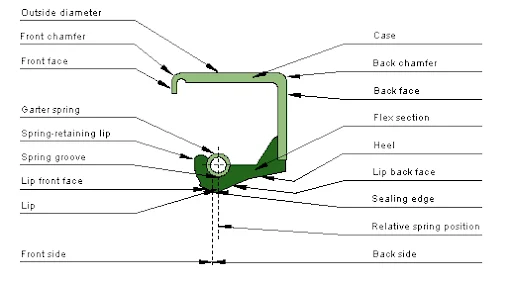
Renewable energy (Wind, Solar, Hydro): Wind turbines and hydroelectric generators depend on large gearboxes and hydraulic systems. These often run in remote locations and need maximum uptime. Power transmission seals in a wind turbine (like SKF’s high-speed radial seals) keep gearbox oil from leaking under centrifugal forces. They also keep out moisture and dust, which is vital when turbines spin in rain or desert wind. In solar panel trackers and hydro plants, seals in gear motors and pumps ensure the systems run efficiently for years.
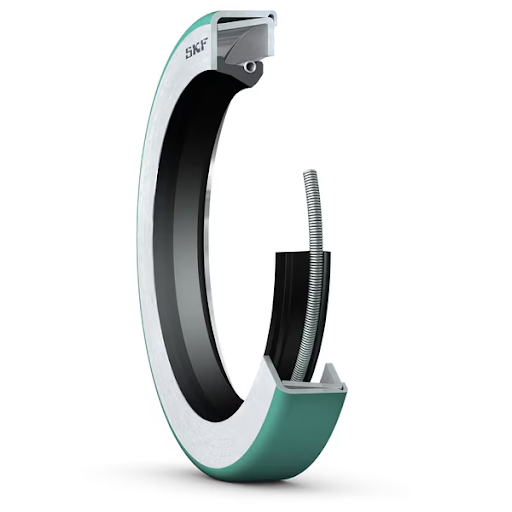
Heavy Industry & Construction: Mining equipment, excavators, and construction machines are exposed to mud, rocks and extreme loads. Track pin seals and metal face seals are designed for these harsh environments. For instance, a crawler crane uses robust metal face seals on its slewing bearing to keep abrasive grit out. Cassette seals with integrated wear sleeves are used on dump trucks and loaders to prevent abrasive mud from contaminating wheel hubs. These seals help avoid costly breakdowns in the field.
Fluid Power Systems: Hydraulic presses, cylinders and pumps in manufacturing and mobile equipment rely on seals at every shaft and piston. In a hydraulic pump, a power transmission seal prevents oil from blowing out under high pressure. In hydraulic motors and actuators, seals ensure precise control by stopping leaks. Seal materials are chosen for compatibility with hydraulic fluids and to withstand heat and pressure. Across such fluid-power applications, the same principle holds: the right seal reduces leaks and keeps systems running efficiently.
Wherever rotating or reciprocating shafts meet stationary parts, seals play a crucial role. From paper mills and food processing to robotics and automation, power transmission seals keep machines clean, safe and efficient.
Choosing the Right Seal
Selecting the proper seal is key to getting the performance above. Consider these factors: temperature (low or high), speed of the shaft, pressure, media (oil, water, chemical), and contamination level. Harder materials like PTFE or fluorocarbon (Viton) resist heat and chemicals, while Nitrile rubber offers good general resistance to oil. In many cases, PIB’s engineering support can guide the choice. As one SKF expert notes, “Temperature, pressure, speed and exposure to media greatly impact seal life and performance”.
Practical steps: match the seal type to the environment (e.g., metal face seals for sand, lab-cassette seals for oil leaks), pick a material rated for your fluid and heat, and ensure the size fits the shaft and housing. PIB maintains a broad catalog of options, from standard radial seals to custom-molded solutions, so you can find the exact fit. Often, the best choice also considers installation: some seals, like SKF Speedi-Sleeves, can be retrofitted onto existing shafts to save on machining costs.
Key Takeaways
- Seals protect machines. By keeping lubricants in and dirt out, power transmission seals extend the life of bearings and gearboxes.
- Efficiency and uptime. Proper sealing reduces friction and leakage, improving energy efficiency and preventing unplanned stops.
- Wide applications. These seals are used in automotive systems, wind turbines, heavy-duty equipment, fluid power (hydraulics), and more.
- Right seal for the right job. Material, design, and size must match operating conditions (speed, pressure, chemicals) to work well.
- PIB’s expertise. Pacific International Bearing Sales (PIB) offers a broad range of seals (radial, cassette, V-ring, metal face, etc.) and expert guidance to help select and source the best solution.
Frequently Asked Questions
Q: What are power transmission seals, and why are they important?
Power transmission seals are components placed between a rotating shaft and its stationary housing. Their job is to prevent oil or grease from leaking out and to block dust, water and contaminants from getting in. They matter because without them, machinery would suffer from lubricant loss and abrasive damage. Proper seals keep machines running smoothly longer, reducing wear on bearings and lowering maintenance needs.
Q: What types of seals does PIB offer?
PIB carries a variety of power transmission seals. Common types include radial shaft seals, cassette (multi-lip) seals, track-pin seals, V-ring and axial excluder seals, and metal face seals. Each type is suited to different conditions. For example, cassette seals with wear sleeves are ideal for heavy off-road use, while metal face seals handle very dirty, slow-moving environments. PIB also provides wear sleeves (Speedi-Sleeves) that rebuild worn shafts to extend seal life.
Q: How do power transmission seals improve equipment performance?
Good seals keep the right fluids in and keep contamination out, which directly improves performance. By reducing leakage and friction, seals help equipment run at optimal efficiency. This leads to longer uptime and fewer breakdowns. For instance, a sealed gearbox can maintain its oil level and operating temperature, avoiding bearing failures. In short, the right seal means smoother operation, less downtime and lower maintenance costs.
Q: Which industries commonly use power transmission seals?
Nearly every industry with rotating equipment uses these seals. In automotive, seals are found in engines, transmissions and wheel hubs. In renewable energy, wind turbine gearboxes and hydro systems rely on seals to stay lubricated. Heavy industry and construction use seals on large gearboxes, conveyors and off-highway vehicles to protect against dirt and debris. Fluid power systems in manufacturing and mobile hydraulics use seals on pumps and cylinders. Essentially, any sector from oil & gas to food processing benefits from reliable sealing solutions.
Q: How do I choose the right power transmission seal?
Selecting the right seal involves considering the operating environment: note the shaft speed (RPM), temperature range, pressure and the type of lubricant or fluid. Also consider contaminants – for example, water or corrosive chemicals require special materials. Refer to specifications like material compatibility (nitrile, Viton, PTFE, etc.), seal design and size. PIB’s experts recommend evaluating temperature, pressure, speed and contaminant type as key factors when choosing. If in doubt, consult PIB or SKF catalogs – they offer data and advice to match seals to your application.
Q: What materials are power transmission seals made from?
Seals are made from various elastomers and metals to suit different needs. Common materials include nitrile rubber (NBR) for general oil resistance, fluorocarbon (Viton) for high heat and chemical resistance, silicone for a wide temperature range, polyurethane for extra wear resistance, and PTFE for ultra-low friction and harsh chemicals. Metal parts (stainless steel, carbon steel) are used in heavier seals and face seals. The best choice depends on the fluid and the conditions the seal faces.
Ready to improve your equipment’s reliability? Explore PIB’s online seal catalog and find the perfect sealing solution for your needs. Visit the PIB online catalog or contact our engineering team to get started [email protected]