Your cart is empty
 Short Rigid Couplings
 Controlflex Couplings
 Jaw Couplings
 Oldham Couplings
 Bearing Locknuts – TCN
 Double Wide Shaft Collars
 Heavy Duty Shaft Collars
 International Series Shaft Collars
 Keyed Shaft Collars
 Mountable Shaft Collars
 Quick Clamping Shaft Collars
 Set Screw Shaft Collars
 Thin Line Shaft Collars
 Threaded Shaft Collars – Pacific International Bearing Products
 Two-Piece Shaft Collars
 Friction Bearing Universal Joints
 Needle Bearing Universal Joints
Bearings
Pinion Seals for Light Vehicles: What Matters for Leak Control, Contamination Exclusion, and Service Life
11 November, 2026
17 min read
A pinion seal has a simple job description: keep differential or axle lubricant in, keep road contamination out, and maintain that barrier while the pinion yoke or flange rotates through thousands of miles of heat cycles, speed changes, splash, and vibration. In practice, that small seal can determine whether a driveline stays dry and predictable or develops a recurring leak that leads to low lubricant level, contamination, and repeat repair work.
Pacific International Bearing Sales (PIB) works with automotive and power-transmission applications where sealing performance depends on more than matching an inside diameter and outside diameter. Pinion speed, lubricant chemistry, temperature, shaft or yoke condition, runout, contamination exposure, housing condition, and installation method all affect the result. The right seal is the one that continues to control oil and dirt after it is installed in the actual axle environment.
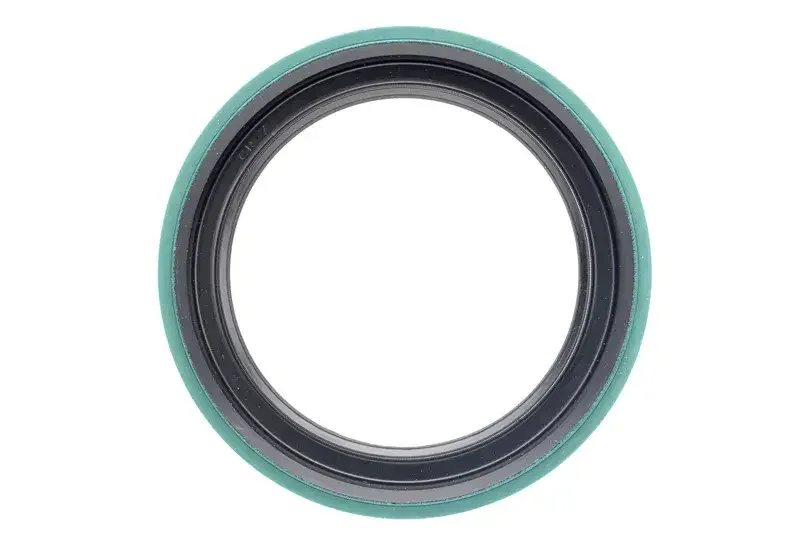
SKF pinion seals for passenger cars and light-duty vehicles are available in direct-replacement, double-lip, and unitized designs. The more advanced designs add dedicated exclusion lips, controlled sealing surfaces, and materials selected for the thermal and chemical demands of the pinion position. That gives engineers and repair professionals several ways to solve the same core problem: protect the differential without adding unnecessary drag or creating another leak path.
Key Takeaways
- Pinion seals retain axle or differential lubricant while excluding water, dust, road grit, and other contaminants at the rotating pinion yoke or flange.
- Direct-replacement, double-lip, and unitized designs solve different levels of contamination, wear, and installation risk.
- SKF double-lip designs combine an excluder lip, radial dirt lip, and primary sealing lip; unitized designs add a controlled wear surface and additional contamination barriers.
- Fluoroelastomer sealing elements are used where pinion temperatures and lubricant chemistry demand higher heat and fluid resistance.
- A good seal can still leak if the yoke sealing surface is grooved, the housing is damaged, the seal is cocked, or the pinion-bearing preload procedure is not followed correctly during service.
What a Pinion Seal Does in a Light-Vehicle Driveline
In a conventional rear axle or differential, the pinion gear transfers torque from the driveshaft into the ring gear. The pinion shaft passes through the differential housing, so the rotating yoke or flange needs a dynamic sealing interface where it exits the housing. The pinion seal sits at that interface.
The primary lip retains gear oil. Outside that lip, additional exclusion features can keep road splash, dust, and abrasive debris away from the sealing contact. This is important because contamination at the lip does more than create a dirty exterior. Abrasive particles can damage the lip or cut a groove into the yoke sealing surface, creating a repeat leak even after a new seal is installed.
The seal also has to manage motion. Pinion shafts run at rotational speeds that vary with vehicle speed and axle ratio, and the seal sees temperature changes as the axle heats and cools. Small amounts of runout, misalignment, pressure variation, and surface imperfection can change the contact between the lip and the rotating counterface. A robust design has to maintain that contact without generating excessive friction and heat.
The Three Main SKF Pinion-Seal Approaches
For light vehicles, SKF identifies three broad pinion-seal approaches: direct-replacement designs, double-lip designs, and unitized designs. They are not simply different packaging styles. Each changes how the sealing system handles contamination, the running surface, and installation variability.
| Seal design | How it works | Best fit | Main risk if mismatched |
| Direct replacement | Primary radial lip runs on the existing yoke or flange surface | OE-style service where the counterface and housing are in good condition | A worn or grooved counterface can make a new seal leak again |
| Double lip (DL) | Primary sealing lip plus radial dirt lip and excluder lip | Higher contamination exposure while retaining a conventional seal layout | Insufficient exclusion can let road debris reach the primary lip |
| Unitized | Seal and controlled wear surface are supplied as one assembly with multiple exclusion features | Applications needing stronger contamination control and a controlled running surface | Using a simpler seal where the system depends on the unitized running surface can reduce reliability |
Direct-Replacement Pinion Seals
A direct-replacement seal is the straightforward option when the vehicle uses a conventional radial seal and the yoke or flange provides the running surface. This approach keeps the assembly compact and is appropriate when the original sealing surface is in good condition and the application does not require the extra protection of a unitized system.
The weak point is the counterface. If the yoke has a wear groove, corrosion, nicks, or an unsuitable surface finish, installing a new seal over the same damaged track can produce another leak. In that case, the repair needs to address the running surface as well as the seal.
Double-Lip Pinion Seals
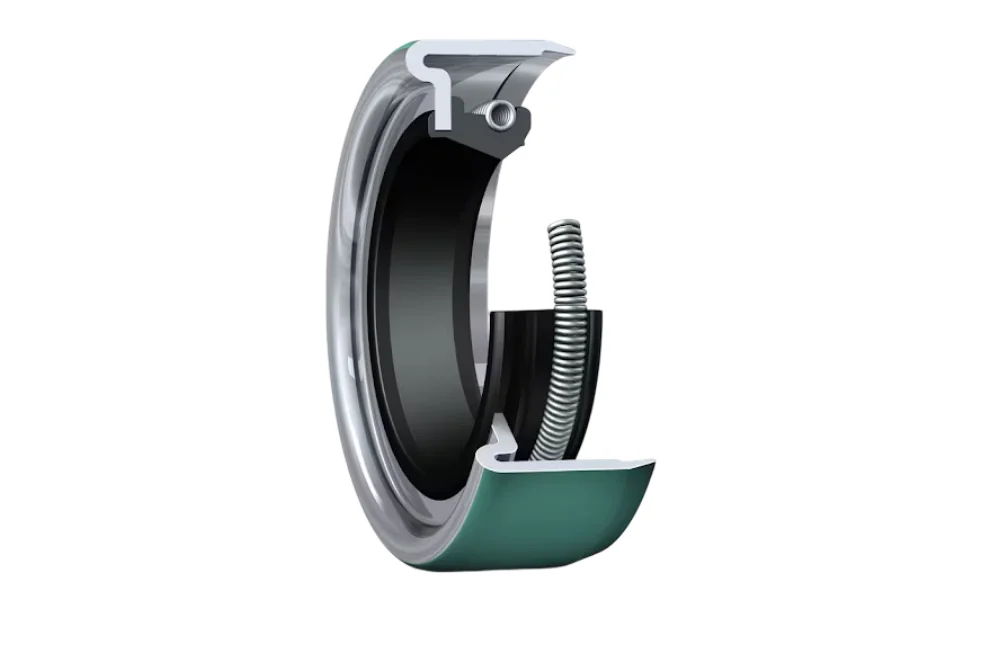
SKF double-lip pinion seals add more contamination control around the main oil-retaining lip. SKF describes these designs with an excluder lip, a radial dirt lip, and a primary sealing lip. The sealing element is manufactured from an enhanced fluoroelastomer for improved durability in the thermal and lubricant environment of the pinion position.
That extra exclusion matters on vehicles that see wet roads, dust, winter contamination, or frequent temperature cycling. Instead of asking the primary oil lip to handle both lubricant retention and every external contaminant, the outer features intercept dirt before it reaches the main sealing interface.
Unitized Pinion Seals
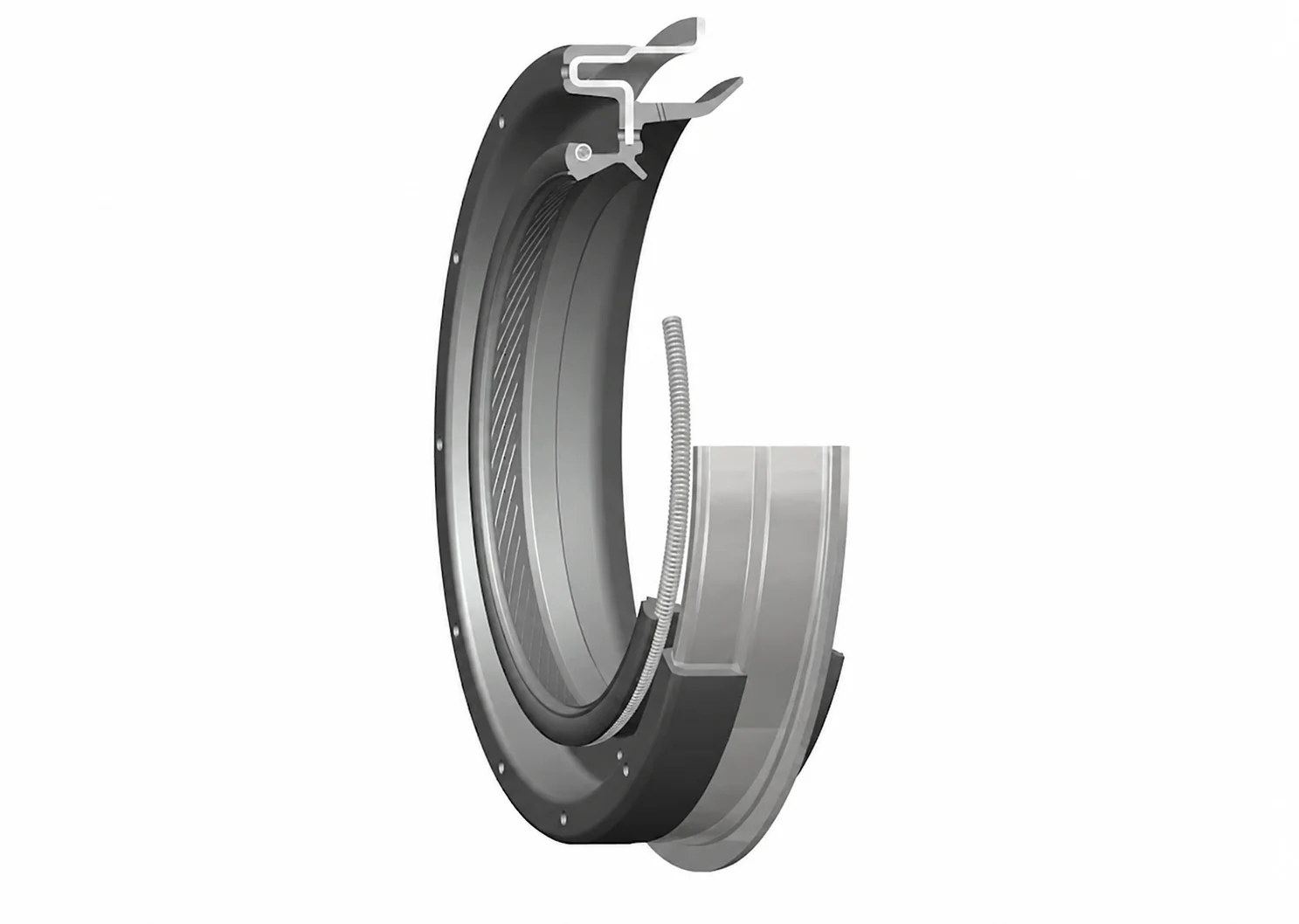
A unitized pinion seal packages the sealing element and its running surface into one assembly. SKF unitized designs incorporate a wear sleeve, so the sealing lips run on a controlled surface supplied as part of the seal rather than relying entirely on the condition of the existing yoke surface.
SKF also uses its Waveseal lip concept in unitized pinion seals. The wavy lip geometry is intended to pump lubricant back toward the bearing side while spreading the contact path across a wider band. In practical terms, that helps manage oil at the lip and can reduce localized heat compared with a narrow, fixed contact track.
The unitized construction also adds multiple dirt-exclusion features and an internal labyrinth. SKF’s unitized pinion-seal design includes a combined metal/rubber inside-diameter arrangement: the rubber portion helps maintain a positive grip and block a leak path, while the metal portion provides a path for heat dissipation. A bore coating is used to help seal small imperfections at the housing interface, and an installation bumper helps establish the intended position during installation.
This design is useful when control of the running surface, contamination exclusion, and one-piece installation are more important than keeping the seal as simple as possible.
Why Material Choice Matters at the Pinion
Pinion seals operate next to a lubricant-filled gearset, so material compatibility is not optional. The sealing compound has to tolerate the axle lubricant, its additive package, the expected temperature range, and the surface speed at the lip.
SKF uses fluoroelastomer in its higher-duty pinion-seal designs because this material family can provide strong resistance to heat and many automotive lubricants. That does not mean one fluoroelastomer compound is correct for every axle. Actual fluid chemistry, temperature, speed, and service environment still need to be checked against the selected seal specification.
A seal material that is mismatched to the fluid can harden, swell, soften, crack, or lose the lip geometry needed to control oil. The correct material keeps the lip stable enough to maintain contact and pumping behavior over the expected duty cycle.
The Running Surface Is Part of the Seal System
One of the most common mistakes in pinion-seal service is treating the seal as the only wearing component. The yoke or flange surface is the other half of the dynamic interface. A new lip running on a grooved or corroded surface may not establish a stable oil film, and the edge of an old wear track can damage the replacement lip.
Before installing a replacement seal, the sealing surface should be cleaned and inspected. If the surface is damaged, the repair may require a replacement yoke or a suitable shaft-repair sleeve, depending on the application. SKF service guidance specifically identifies Speedi-Sleeve as a repair option for a damaged pinion-yoke sealing surface where the dimensions and service procedure allow it.
This is the before-and-after difference that matters in the shop. Replace only the seal on a badly worn surface and the leak can return. Restore the counterface and install the correct seal squarely, and the new lip starts on a controlled surface instead of inheriting the old failure mode.
Installation: Where Good Seals Are Often Lost
Pinion-seal installation is not just a press-fit operation. The driveshaft and pinion flange are commonly marked before disassembly so their original relationship can be maintained. The pinion yoke or flange is removed, the old seal is discarded, and the housing and sealing surface are inspected before the new seal goes in.
SKF service guidance calls for lubricating the seal lips and pressing the seal into the housing centered and square. Burrs on the shaft splines or yoke can damage the lip during assembly, so those surfaces should be inspected and cleaned. Cocking the seal, driving on the wrong surface, or installing it dry can shorten seal life before the vehicle leaves the bay.
There is another important point: pinion-seal replacement can involve the pinion nut, and that nut is tied to the pinion-bearing preload procedure. SKF guidance calls for recording the existing pinion bearing preload and the disassembly/preload torque before removing the nut, then following the correct reassembly procedure. Vehicle-specific service information takes priority here. Treating the nut as a generic fastener can disturb bearing preload and turn a seal job into a bearing or gear-mesh problem.
What the Wrong Seal Looks Like in Service
A pinion-seal problem does not always begin as a dramatic oil leak. Early signs can include a damp housing around the yoke, oil sling on nearby components, a dirt-loaded sealing area, or a recurring wet line after cleaning. If oil loss continues, the larger concern is the differential, not the price of the seal.
The wrong design can also create avoidable drag or run hot if the lip load, material, or running surface is not appropriate for the speed and temperature. Too little exclusion allows contamination to reach the primary lip. Too much dependence on a worn yoke surface can make replacement life inconsistent. Poor installation can damage a good seal immediately.
With the correct seal architecture, compatible material, sound counterface, and correct installation, the improvement is straightforward: oil stays in the axle, dirt stays away from the primary lip, the sealing contact runs on the surface it was designed for, and the repair is less likely to become a repeat maintenance event.
How to Select a Pinion Seal for a Light Vehicle
Selection starts with the vehicle and axle application, not with a generic seal dimension. The OE configuration determines the basic seal envelope, but service conditions determine whether a standard direct-replacement design is enough or whether a multi-lip or unitized design is the better fit.
For a practical review, PIB looks at the seal as part of the complete pinion interface: the housing bore, yoke or flange, lubricant, contamination level, speed, temperature, and installation procedure all have to work together.
- Confirm the exact axle, differential, and pinion-seal application prior to cross-referencing a part number.
- Identify whether the original design is direct replacement, double lip, or unitized, and do not assume the styles are interchangeable without application data.
- Check lubricant type and temperature requirements against the seal material.
- Inspect the yoke or flange sealing surface for grooves, corrosion, burrs, and damage.
- Check the housing bore for damage or a leak path around the seal outside diameter.
- Consider contamination exposure: highway use, winter salt, water, gravel, dust, and off-pavement driving can change the exclusion requirement.
- Use the specified installation tool or a tool that loads the correct seal surface and keeps the seal square.
- Follow the vehicle-specific pinion-nut and bearing-preload service procedure during reassembly.
Pinion-Seal Problems: Before and After the Correct Fix
| Condition | What happens when it is ignored | What improves when it is corrected |
| Grooved yoke surface | New lip follows the damaged track and leakage can return | Restored or controlled counterface gives the lip a stable running surface |
| Wrong material for lubricant/temperature | Lip can harden, swell, soften, or lose sealing geometry | Compatible elastomer maintains contact and fluid resistance |
| Weak contamination exclusion | Dirt reaches the primary lip and accelerates wear | Dedicated dirt/excluder lips protect the oil-retaining contact |
| Seal installed cocked or dry | Uneven lip contact, heat, damage, and early leakage | Square installation and pre-lubrication support even contact from startup |
| Pinion nut handled without preload procedure | Bearing preload or gear setup may be disturbed | Vehicle-specific reassembly keeps seal service from creating a bearing problem |
Frequently Asked Questions
What does a pinion seal do?
It seals the rotating pinion yoke or flange where the pinion shaft exits the differential or axle housing. Its primary job is to retain gear oil while excluding water, dirt, and road contamination.
What is the difference between a double-lip and a unitized pinion seal?
A double-lip design adds dedicated exclusion features around the main oil-retaining lip. A unitized design goes further by incorporating its own wear sleeve or running surface and additional barriers in one assembly.
Why are fluoroelastomer materials used in some pinion seals?
Pinion locations can see elevated temperature and aggressive lubricant additives. Fluoroelastomer compounds are used where their heat and fluid resistance are appropriate for the application.
Can a new pinion seal leak because of the yoke?
Yes. A grooved, corroded, nicked, or otherwise damaged sealing surface can prevent a new lip from sealing correctly. The counterface should be inspected before the new seal is installed.
Can a worn pinion-yoke sealing surface be repaired?
In some applications, a compatible shaft-repair sleeve can restore the sealing surface without replacing the entire yoke. The sleeve size, final diameter, and seal compatibility must be checked for the specific application.
Why is pinion bearing preload relevant during a seal replacement?
Accessing the pinion seal commonly requires removing the pinion nut and yoke or flange. That nut is part of the pinion-bearing setup on many axles, so the service procedure must preserve or correctly re-establish the specified preload.
When should a pinion seal be replaced?
A leaking seal should be diagnosed and replaced as required by the vehicle manufacturer. SKF service guidance also recommends inspecting the pinion seal during related driveline service, such as universal-joint work.
What information does PIB need to help identify a replacement?
Useful information includes vehicle year, make, model, axle or differential identification, OE or existing seal number, shaft or yoke dimensions when available, lubricant type, and whether the application uses a conventional or unitized seal design.
Final Thoughts
Pinion seals are inexpensive compared with the axle components they protect, but they work at a demanding interface: rotating speed, hot gear oil, road contamination, and a sealing surface that can wear over time. Reliable service comes from treating the seal, counterface, housing, lubricant, and installation procedure as one system.
PIB can help identify direct-replacement, double-lip, and unitized pinion-seal options for passenger-car and light-duty driveline applications. The best starting point is the exact axle application and the condition of the yoke sealing surface.
Call us (800) 228-8895, email us [email protected], visit us www.pibsales.com.