Your cart is empty
 Short Rigid Couplings
 Controlflex Couplings
 Jaw Couplings
 Oldham Couplings
 Bearing Locknuts – TCN
 Double Wide Shaft Collars
 Heavy Duty Shaft Collars
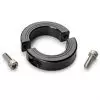 International Series Shaft Collars
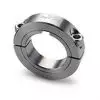 Keyed Shaft Collars
 Mountable Shaft Collars
 Quick Clamping Shaft Collars
 Set Screw Shaft Collars
 Thin Line Shaft Collars
 Threaded Shaft Collars – Pacific International Bearing Products
 Two-Piece Shaft Collars
 Friction Bearing Universal Joints
 Needle Bearing Universal Joints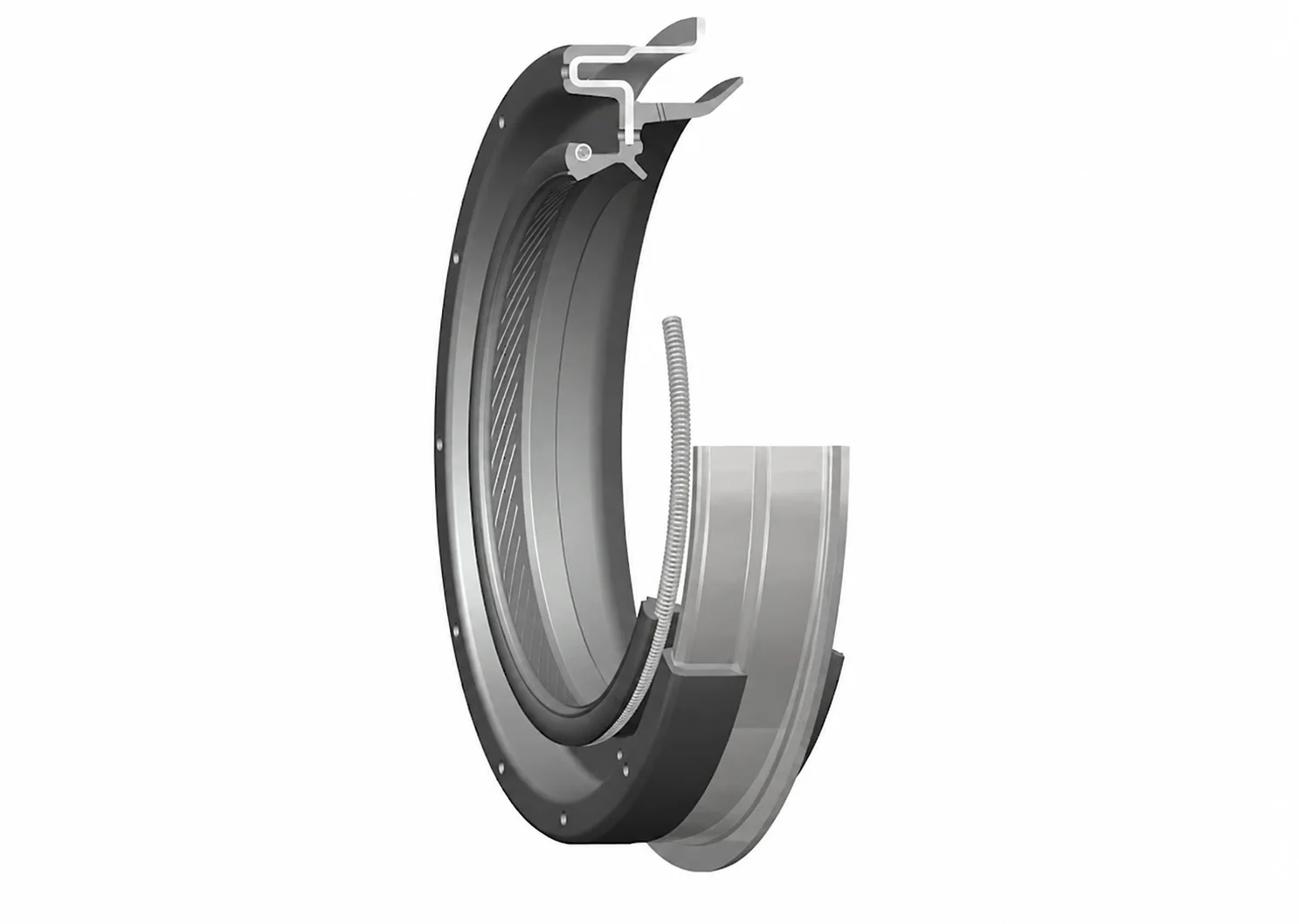
Bearings
Axle Seals
16 August, 2026
26 min read
A failed axle seal can turn a small component problem into a much larger repair. As lubricant leaves the assembly, bearings and gears lose protection. At a wheel end, leaking oil or grease can also reach the brakes. At the same time, a damaged seal can allow water, dust, and abrasive debris into components that depend on clean lubrication.
That is why axle seals should be evaluated as part of a system rather than as isolated replacement parts. Pacific International Bearing Sales works with OEMs, maintenance teams, and sourcing professionals who need bearing and power-transmission components matched to real operating conditions. For axle applications, PIB considers the seal location, rotating surface, bearing condition, lubricant, pressure, temperature, and contamination exposure together.
What an Axle Seal Does
An axle seal is installed where a rotating axle shaft, hub, flange, or related component passes through a stationary housing. Its primary job is to retain lubricant inside the axle, differential, transaxle, or wheel-end assembly.
The same seal may also need to prevent road dirt, water, salt, and process contamination from entering from the opposite direction.
Most axle seals operate on the radial shaft seal principle. A flexible primary lip maintains contact with a rotating surface. The seal case holds the component securely in the housing, while a garter spring may help maintain controlled lip pressure as the material ages and the running surface experiences normal wear.
Many designs also include an auxiliary lip facing the external environment. This lip is intended to reduce the amount of contamination reaching the primary sealing contact.
The primary lip does not run completely dry. A very thin lubricant film forms at the interface between the lip and rotating surface. This film reduces friction and wear while the lip geometry helps keep the lubricant inside the housing.
That balance matters. Insufficient contact can allow leakage. Excessive contact raises friction, temperature, and shaft wear. A reliable axle shaft seal must control both sides of the problem.
Where Axle Seals Are Used
Axle architecture varies, so not every assembly uses the same seal arrangement. The seal location and operating conditions depend on how the shaft, differential, hub, bearings, and suspension are configured.
Differential side seals
A differential axle seal is installed where a side shaft or output flange leaves the differential or transaxle housing.
These seals retain gear oil or transmission fluid while accommodating shaft rotation and limited movement caused by bearing clearance, drivetrain loading, suspension motion, and thermal expansion.
The seal may operate near splines, retaining grooves, or constant-velocity joints. Those features create installation risks because an unprotected lip can be cut or rolled as the shaft passes through it.
Inner axle seals
Some solid axle designs use seals near the differential to keep lubricant from traveling through the axle tubes.
Because these seals are positioned deep inside the housing, replacement may require substantial disassembly. They can also be damaged during shaft installation if debris is present in the tube or the shaft is allowed to drag across the lip.
Outer axle seals
Outer seals are located closer to the wheel end. Depending on the axle design, they may retain differential lubricant, wheel-bearing grease, or both.
A leak in this location can contaminate nearby brake components. Once oil or grease reaches friction material, the repair may extend beyond the seal itself.
Full-floating wheel ends
Heavy-duty and off-highway axles commonly use a wheel end seal between a rotating hub and stationary spindle.
These positions can experience high bearing loads, long operating periods, brake heat, road contamination, and substantial maintenance consequences. Unitized seals are often used because they combine several sealing and exclusion functions in one assembly.
Compact and electric driveline units
Compact transaxles and electric drive units may position axle seals close to bearings, reduction gears, motors, and power electronics.
Packaging is tight, and seal friction can contribute to total drivetrain loss. These systems may also use specialized lubricants, so seal material compatibility must be confirmed for the actual fluid rather than assumed from previous applications.
Main Axle Seal Designs
The correct seal design depends on the shaft, housing, lubricant, movement, contamination level, and service environment.
Conventional radial lip seals
A conventional radial lip seal typically includes a reinforced case, elastomeric sealing element, primary lip, and garter spring. An auxiliary dust lip may also be included.
This design is compact and effective when the running surface is in good condition and shaft movement, pressure, and contamination remain within acceptable limits.
Dual-lip and multi-lip seals
A dual-lip seal adds an external exclusion lip. More complex designs may use several lips, grease-filled cavities, or internal deflectors.
Additional lips can improve contamination control, but they also add contact. More contact can mean greater friction and heat.
For that reason, more lips are not automatically better. The design must provide enough environmental protection without creating unnecessary drag or trapping abrasive material against the running surface.
Unitized and cassette seals
A unitized axle seal combines rotating and stationary sealing elements into one assembly. It may include an integrated running surface, multiple exclusion stages, and labyrinth-style features.
Because the seal supplies its own running surface, performance is less dependent on the condition of the original shaft or hub surface.
Unitized designs are useful in demanding wheel-end and off-highway applications, but they still require correct handling. The rotating and stationary sections should not be separated, distorted, or installed at an unintended depth.
Seals used with wear sleeves
A wear sleeve provides a new sealing surface over a shaft, spindle, or flange that has developed a groove.
This can be a practical repair when the underlying component remains straight, stable, and dimensionally suitable. The sleeve must be installed concentrically and without wrinkles, dents, or trapped corrosion.
A sleeve should not be used to hide excessive runout, loose bearings, severe scoring, or a bent shaft.
Hydrodynamic lip designs
Some sealing lips include small engineered features that encourage lubricant to move back toward the oil side as the shaft rotates.
These features may be directional. A seal designed for one rotation direction may not provide the same return-pumping action when used on the opposite side or in a reversing application.
Similar external dimensions do not guarantee that two axle seals have the same lip behavior.
Why the Running Surface Matters
The rotating shaft, sleeve, hub, or flange is part of the sealing system. A new seal cannot provide reliable performance if that surface is damaged.
Wear grooves
A sealing lip can gradually wear a groove into the shaft.
When a replacement seal is installed in the same position, the new lip may settle into the existing groove rather than making uniform contact with a smooth surface. The groove edges may also damage the lip.
Depending on the assembly, the correct repair may involve replacing the shaft or flange, installing an approved sleeve, or using a unitized seal with an integrated running surface.
Changing installation depth is only appropriate when the design permits it. Moving the seal without checking the housing geometry can place the lip on a shoulder, spline, damaged area, or surface with the wrong finish.
Scratches and corrosion
Axial scratches can create direct paths for lubricant to move beneath the lip. Corrosion pits interrupt the sealing line and can abrade the elastomer during every rotation.
A surface may look acceptable from a distance and still contain damage that can shorten seal life.
Machining lead
A rotating surface can contain directional machining marks that act like a small screw, moving lubricant toward or away from the seal.
This condition is sometimes missed because the surface appears smooth. The relevant issue is not only roughness but also the direction and consistency of the finish.
Hardness and coating condition
A soft surface may wear rapidly under lip contact. A damaged coating can flake, expose corrosion, or create sharp edges.
Hardness alone does not guarantee a good sealing surface. The component also needs suitable finish, concentricity, corrosion resistance, and coating integrity.
Runout and concentricity
Runout causes the shaft surface to move toward and away from the seal during every revolution.
The lip can follow limited movement, but excessive runout changes contact pressure around the circumference. One area may carry too much load while another begins to lose contact.
Before correction, a replacement seal may continue to leak because it is following a damaged or eccentric surface. After the running surface and source of runout are corrected, the lip can maintain a more consistent contact band.
Bearing Condition and Axle Seal Life
Bearings control the position of the axle shaft, hub, or differential output. When a bearing develops excessive radial or axial movement, the seal is forced to follow that movement.
This can create uneven lip contact, additional friction, and concentrated wear.
The progression often looks like this:
- Bearing clearance or adjustment changes.
- The shaft or hub begins moving beyond its intended path.
- Lip pressure becomes uneven.
- The seal and running surface wear faster.
- Lubricant begins to escape.
- Contamination gains a path into the assembly.
Not every axle seal leak is caused by a bearing. Installation damage, pressure, fluid level, shaft wear, and material compatibility can create similar symptoms.
However, bearing condition should be checked whenever leakage is repeated or accompanied by shaft play, wheel-end movement, noise, or abnormal temperature.
Axle and wheel-end arrangements frequently use tapered roller bearings because they can support combined radial and axial loads while providing controlled shaft guidance. Other driveline configurations may use radial ball bearings where the load, speed, and packaging requirements are different.
Replacing the seal without restoring the intended bearing condition may only delay the next leak.
Pressure, Breathers, and Lubricant Level
Axle housings heat during operation. As the lubricant and trapped air warm, they expand.
A functioning breather allows the housing pressure to equalize. If the breather is blocked by dirt, mud, corrosion, paint, or a damaged hose, pressure may rise inside the assembly.
That pressure acts directly against the seals and can push lubricant past a lip that would otherwise perform correctly.
Breather condition should therefore be checked before treating multiple leaks as independent seal failures.
Lubricant level also matters.
An overfilled differential or wheel end can increase churning, foaming, heat, and pressure. The seal may be exposed to a higher fluid level than intended.
An underfilled assembly creates the opposite problem. Bearings and gears may lose the lubricant volume needed for reliable operation.
The correct fluid is just as important as the correct quantity. A lubricant with an incompatible base oil or additive package may change the seal material, leading to swelling, hardening, softening, shrinkage, or loss of lip force.
Seal Materials and Fluid Compatibility
Axle seal materials are selected around lubricant compatibility, temperature, friction, wear, and environmental exposure. The material family is a starting point; the exact compound determines performance.
Nitrile rubber
Nitrile rubber, or NBR, is commonly used in oil-sealing applications. It provides practical compatibility with many conventional lubricants and moderate operating conditions.
Its suitability should still be confirmed for the actual fluid and temperature range.
Hydrogenated nitrile rubber
HNBR generally offers improved resistance to heat, oxidation, and mechanical wear compared with conventional nitrile.
It may be useful where the axle operates under greater thermal or durability demands.
Polyacrylate
Polyacrylate compounds are used with hot oils and automotive fluids. They can offer useful resistance to oil aging at elevated temperatures.
Low-temperature flexibility, water exposure, and compatibility with the specific lubricant should still be evaluated.
Fluoroelastomer
Fluoroelastomers may be selected where higher temperature capability or resistance to demanding fluids is needed.
They are not automatically the best material for every axle seal. Low-temperature behavior, friction, cost, shaft condition, and application duty remain relevant.
PTFE-based sealing elements
PTFE-based lips can provide low friction and broad fluid resistance. They may be used where speed, efficiency, or specialized lubricants create conditions that are difficult for a conventional elastomeric lip.
Installation requirements can differ significantly. A PTFE lip may require a dedicated protective sleeve or forming procedure and can be damaged if folded or forced across splines.
Common Causes of Axle Seal Failure
An axle seal leak is usually the result of a specific mechanical, environmental, or installation condition.
Incorrect orientation
The primary lip normally faces the lubricant side. Reversing the seal can prevent the lip from working as designed.
Directional and unitized seals may have additional orientation requirements.
Incorrect installation depth
A seal installed too deeply or too shallowly may run on a damaged area, miss the intended housing shoulder, or interfere with another component.
Crooked installation
Driving the seal unevenly can distort the case and create uneven lip contact. It may also prevent the outside diameter from sealing correctly in the bore.
Dry startup
Many elastomeric lips require suitable assembly lubrication. Running dry during initial rotation can create immediate heat and damage.
Specialized PTFE designs may have different instructions, so one installation practice should not be applied to every seal.
Damage from splines and sharp edges
Axle splines, threads, retaining grooves, burrs, and shaft shoulders can cut or roll the lip during installation.
The damage may remain hidden until the assembly is filled and operated.
Contamination
Dust, sand, road salt, metal fines, mud, and fibers can collect around the seal. Once abrasive material passes the exclusion lip, it can wear both the primary lip and running surface.
Excessive shaft or bearing movement
Radial runout, axial endplay, bearing wear, or incorrect adjustment can push the lip outside its intended tracking range.
Blocked breather or excessive fluid level
Housing pressure can force lubricant past an otherwise serviceable seal.
Material incompatibility
The wrong seal compound may change after exposure to the lubricant, cleaning chemical, or surrounding environment.
Diagnosing a Leak Before Replacing the Seal
Lubricant can travel along an axle tube, hub, backing plate, suspension component, or rotating flange before it becomes visible. The wettest area is not always the original leak point.
Begin by cleaning the assembly and locating the highest point where fresh lubricant appears.
Then check:
- The seal and housing joint
- Shaft or hub movement
- The running surface
- Breather condition
- Lubricant level and type
- Nearby covers, plugs, and housing joints
- Wheel-end and bearing temperature
- Brake contamination
- Evidence of impact or previous repair damage
The fluid itself may help identify the source. Gear oil, transmission fluid, bearing grease, brake fluid, and hydraulic fluid have different characteristics.
Diagnosis should confirm both the leak path and the condition that created it. Otherwise, a correctly installed new seal may begin leaking for the same reason as the old one.
Installation Practices That Reduce Repeat Repairs
Reliable installation starts with clean, undamaged hardware.
The housing bore should be free from burrs, corrosion, dirt, and residue from the previous seal. The running surface should be inspected before the replacement part is installed.
A proper tool should apply force to the reinforced portion of the seal case and keep the component square to the bore. Hammering one side at a time can deform the seal or housing.
The sealing lip should be protected from splines, threads, grooves, and sharp shoulders. A protective sleeve is often the simplest way to prevent hidden installation damage.
During shaft installation, the shaft should be supported rather than allowed to drag across the lip under its own weight.
The procedure should also include:
- Correct seal orientation
- Correct installation depth
- The specified assembly lubricant
- Confirmation that the garter spring remains in position
- Inspection of auxiliary lips
- Breather verification
- Correct lubricant type and level
- A post-installation check for free, stable movement
No installation technique can compensate for a bent shaft, damaged running surface, or loose bearing arrangement.
The Cost of an Incomplete Repair
The seal itself is often inexpensive compared with the work required to access it.
A repeat repair may involve axle or hub disassembly, new lubricant, cleaning, replacement brake components, bearing inspection, shaft repair, and additional downtime.
If a leak continues unnoticed, the costs can extend to damaged gears or wheel-end bearings.
The more economical repair is the one that addresses the complete cause the first time. That means checking the seal, running surface, bearing condition, housing pressure, lubricant, and installation process together.
Frequently Asked Questions About Axle Seals
What is the main purpose of an axle seal?
An axle seal retains lubricant inside the differential, transaxle, axle housing, or wheel end while helping exclude water, dirt, salt, and abrasive debris from bearings, gears, and other internal components.
Can bearing play cause an axle seal leak?
Yes. Excessive radial or axial bearing movement can prevent the lip from maintaining uniform contact with the rotating surface. Bearing condition should be checked, although it is only one of several possible causes of leakage.
Why does a new axle seal sometimes leak?
A repeat leak may result from shaft grooves, corrosion, excessive runout, bearing movement, incorrect orientation, crooked installation, lip damage, a blocked breather, overfilling, or an incompatible seal material.
Can a shaft groove be repaired without replacing the shaft?
In some applications, an approved wear sleeve or unitized seal can provide a new running surface. The underlying shaft must still be straight, stable, and free from damage that would prevent concentric installation.
Can a blocked axle breather damage the seal?
A blocked breather allows pressure to build as the axle heats. That pressure can push lubricant past sealing lips and housing joints, creating one or several apparent seal failures.
Can an axle seal leak contaminate the brakes?
Yes. At an outer axle or wheel-end position, leaking oil or grease can reach brake pads, shoes, rotors, or drums. Contaminated friction components may require replacement rather than cleaning alone.
Does seal orientation matter?
Yes. The primary lip is designed to face the lubricant side, while exclusion features face the external environment. Unitized, cassette, and hydrodynamic designs may have additional directional requirements.
What should be checked after repeated axle seal failures?
Inspect the running surface, shaft runout, bearing play, housing bore, breather, lubricant level, fluid compatibility, installation depth, lip protection, and contamination exposure. Repeated failure usually indicates that the seal is responding to another condition.
Final Considerations
Axle seals are small components, but their performance affects the bearings, gears, brakes, and lubricant that keep the complete axle assembly operating.
Reliable sealing depends on more than the replacement seal. The lip design, material, running surface, bearing condition, housing pressure, fluid, contamination level, and installation method all influence the outcome.
Before correction, a new seal installed against a grooved shaft or unstable bearing arrangement may leak again. Once the running surface, shaft guidance, pressure, and seal specification are brought under control, lubricant retention becomes more consistent and repeat maintenance is less likely.
The PIB online catalog is a practical starting point for reviewing bearings and related power-transmission components used in axle and wheel-end systems. For recurring seal problems or sourcing requirements involving unusual loads, shaft movement, contamination, or operating conditions, PIB’s engineering support team can help review the surrounding component requirements.
Call PIB at (800) 228-8895.