Your cart is empty
 Short Rigid Couplings
 Controlflex Couplings
 Jaw Couplings
 Oldham Couplings
 Bearing Locknuts – TCN
 Double Wide Shaft Collars
 Heavy Duty Shaft Collars
 International Series Shaft Collars
 Keyed Shaft Collars
 Mountable Shaft Collars
 Quick Clamping Shaft Collars
 Set Screw Shaft Collars
 Thin Line Shaft Collars
 Threaded Shaft Collars – Pacific International Bearing Products
 Two-Piece Shaft Collars
 Friction Bearing Universal Joints
 Needle Bearing Universal Joints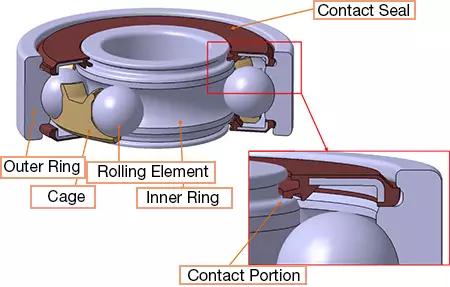
Bearings
The Different Types of Bearing Seals
08 April, 2026
10 min read
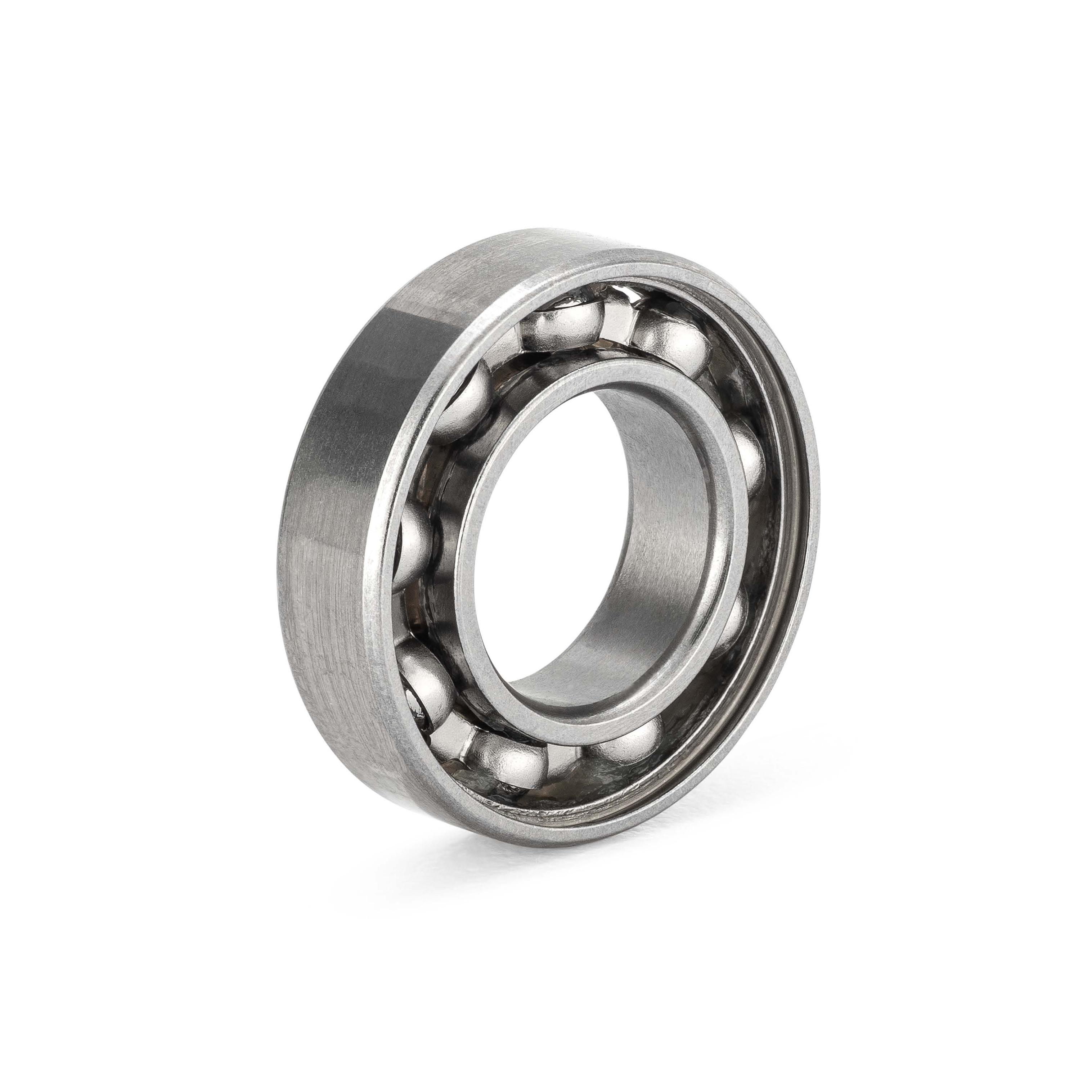
Bearings are used in a wide range of applications each in their own unique environment. Contaminants like water or dust, and foreign matter can easily enter an unprotected bearing. Bearings without a sealing device can fail dramatically and quickly. Bearing operation will be adversely affected as heat increases and lubricant deteriorates.
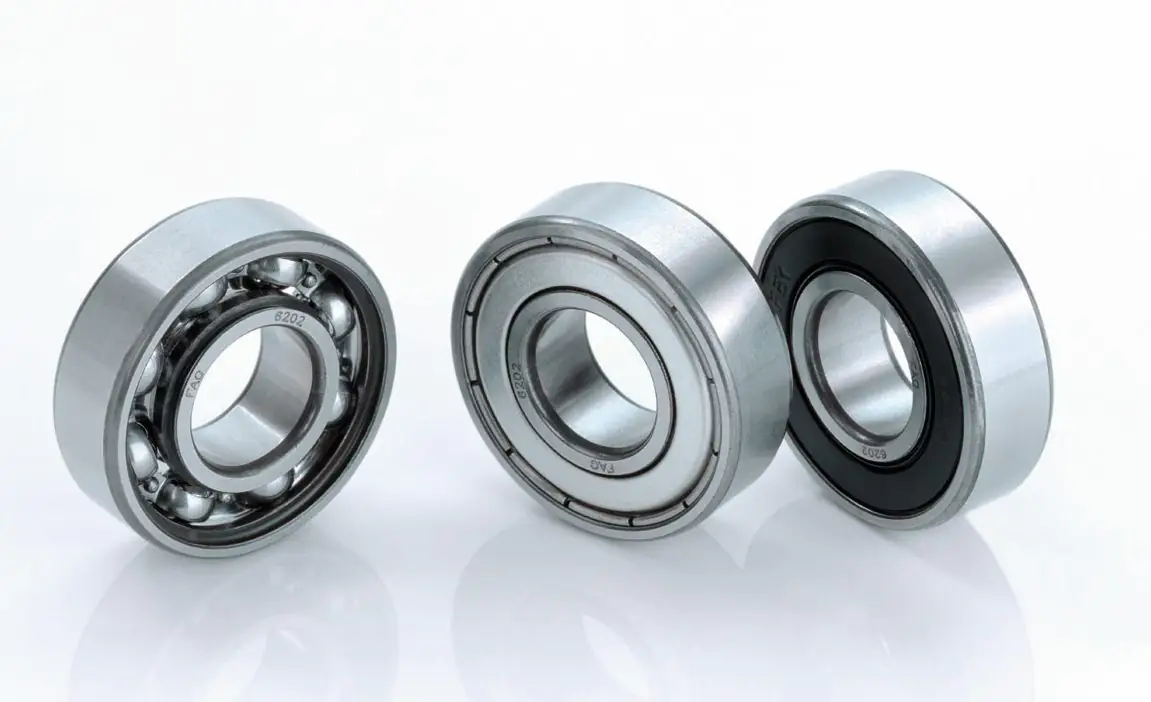
Sealing a bearing can be accomplished with seals or shields. Seals unlike shields come in a variety of materials and types. Shields are manufactured from metal and are non-contacting whereas seals are shields with a rubber bonded to its outer surface. Seals can be manufactured as full, light or slight or no contact and may have a variety of customized features depending upon the manufacturer.
You must look at a few key considerations when choosing a bearing seal.
What are the seals characteristics and how are they important to bearing and sealing performance? What impact does the seal have on the amount of friction created? Generally sealing devices for rolling bearings fall into two main classifications: non-contact seals and contact seals.
High sealing performance or contact seals cause a relatively greater increase in friction, and low-friction seals or non contact seals have lower sealing performance.
Key Takeaways
- Bearing seals reduce contamination ingress and retain lubricant, which lowers wear and extends bearing service life.
- Contact seals block contamination best but add friction and heat, so they can limit top speed.
- Non-contact seals run with low friction and support higher speeds, but they protect less in dirty or wet conditions.
- Seal choice depends on contamination level, shaft speed, temperature, and lubricant type, not seal style alone.
- Correct installation and inspection (seal lip condition, runout, and fit) prevents early failure more than seal selection alone.
Typical Seal types
Standard ball bearing seal types shown below. Other types or similarly designed seals may be used in housings and roller bearings.
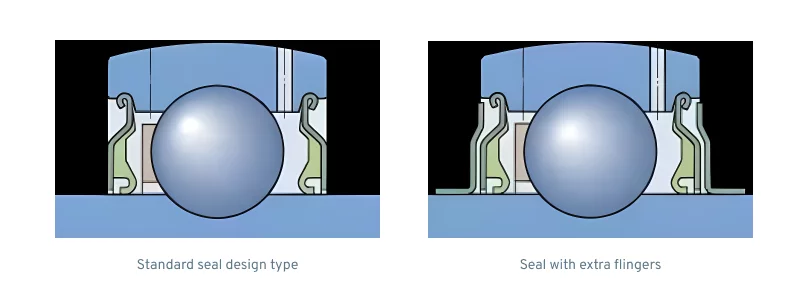
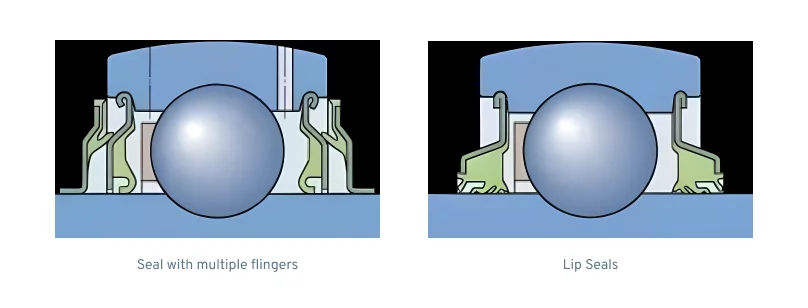
As a rule, bearing seals have two main functions which are to prevent lubricating oil or grease from leaking out and to prevent dust, water and other contaminants from entering the bearing.
Additional considerations include seal peripheral speed, shaft fitting errors, space limitations, seal friction and resultant heat increase, and cost.
Non-contact seals and shields have a very small clearance between the inner ring and the enclosure being either a seal or shield. In the case of non contact seals or shields friction is negligible to non-existent. This type of seal is very suitable for high speeds.
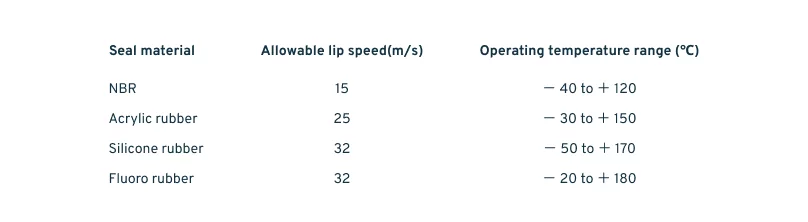
Contact seals have a lip that fully contacts the inner ring, where the pressure of the synthetic rubber acts as a barrier for grease retention and the prevention of particles entering the bearin.g сontact seals can be considered superior to non-contact seals in sealing efficiency, although their friction torque and temperature rise coefficients will be higher. Also, when the lip portion of a contact seal rotates, contacting the inner ring, the allowable seal peripheral speed will vary. Keep in mind that lubrication is necessary at the contact surface between the lip part of the contact seal and the inner ring. Ordinary bearing lubricant can be used for this purpose.
Types of designations for shields are Z and ZZ, where, in this case, a metal shield plate is affixed to the outside ring. For common seal designations, you will find RS, 2RS, LB, LLB, LU, and LLU. For sealed bearings, the Inner ring incorporates a V-groove and labyrinth clearance. The outer ring incorporates synthetic rubber molded to a steel plate where the seal edge contacts the V-groove along the inner ring surface. LLU and contact 2RS seals are excellent for dust proofing and very good for waterproofing.
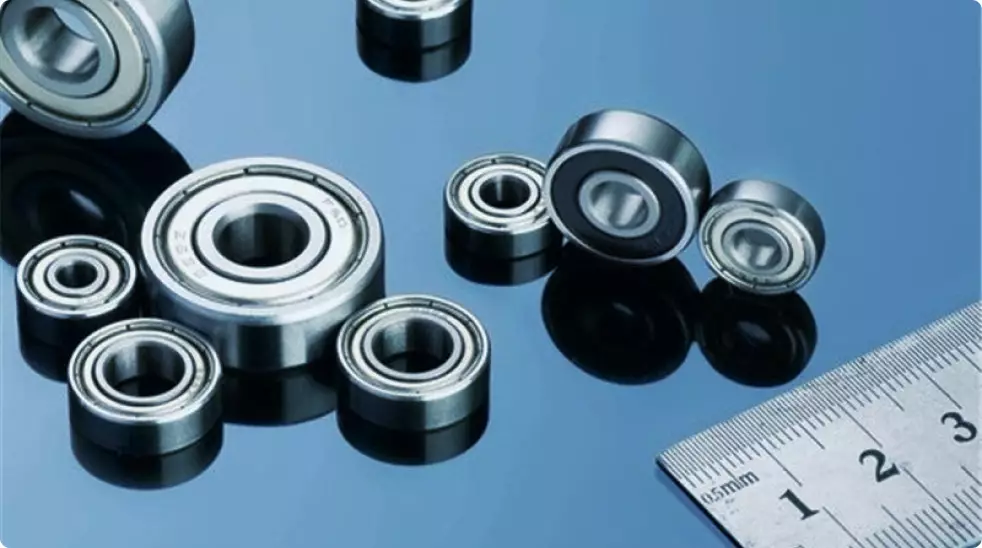
Bearings need to have adequate lubrication to prevent metal-to-metal contact between the rolling elements, raceways, and cages. Proper lubrication prevents wear and helps protect the bearing from corrosion. Sealed bearings with shields or seals filled with grease are the most commonly specified and widely used in numerous applications. Grease has the advantage over oil due to better retention in the bearing. Full-contact sealed bearings are referred to as lubricated for life and, therefore, maintenance-free. Sealed or shielded bearings for normal and medium loads are highly produced and, therefore, have low production costs. Common applications for standard sealed 600 and 6200 series bearings include electric motors, drills, pumps, and fans.
Allowable lip speed and operating temperature range of bearing seals
Specialized Seal Types
For highly contaminated environments, SKF offers a three-barrier solution shown in the following example.
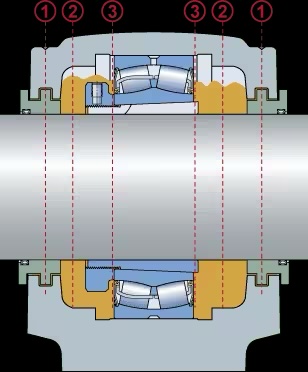
The first barrier is an external housing seal, the second barrier is the grease fill captured in the housing, and the third barrier is the integral bearing seal. For highly contaminated environments, the SKF 3 barrier sealing solution will significantly extend bearing service life.
NSK’s special low friction seal
NSK has developed a seal it claims is both high in sealing performance and provides low friction. For most manufacturers, this would be difficult as you may have one of these features at the expense of the other.
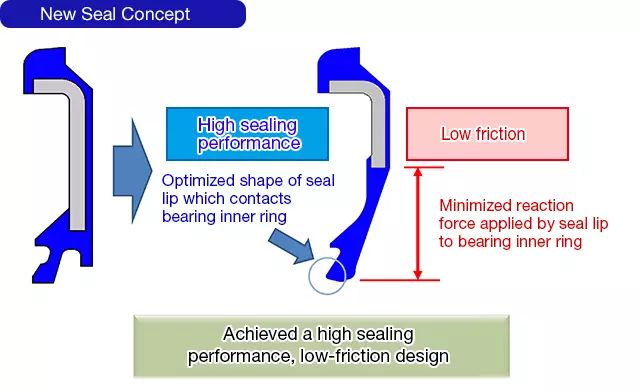
Shown on the left NSK developed the new low friction yet high sealing performance seal. Normally, as I stated earlier, a high sealing performance seal causes more friction due to its high contact. Low-friction seals have lower sealing performance due to their lighter contact. Now NSK offers an option for customers to get an effective seal but not at the expense of increased friction.
Factors to Consider When Choosing a Seal
Selecting an appropriate bearing seal demands a proper assessment of the operational environment. The operating speed, often denoted by angular velocity, plays a role in determining heat generation and potential wear rates. The type and viscosity of the lubricant, combined with the expected bearing load (both radial and axial), directly influence the seal’s efficiency and longevity. Furthermore, bearing dimensions, particularly the bore diameter and width, are essential for ensuring a perfect fit and avoiding potential leak paths.
Frequently Asked Questions About Bearing Seals
What’s the difference between a seal and a shield on a bearing?
A seal typically provides tighter closure to keep lubricant in and contaminants out, often using an elastomer lip (contact) or a close clearance design (non-contact). A shield is usually a metal barrier with a gap, so it reduces debris entry but does not contact the inner ring as contacting seals will..
When should I use contact seals vs non-contact seals?
Use contact seals when contamination control matters most, such as dust, washdown, or splash exposure. Use non-contact seals when speed and low friction matter most, and the environment is relatively clean, because they generate less heat and drag.
Do bearing seals reduce speed or increase temperature?
Yes, contact seals add friction, which can reduce allowable speed and increase operating temperature. Non-contact seals generally have much lower drag, so they better support high-speed operation.
What causes bearing seal failure?
Common causes include incorrect installation, damaged seal lips, shaft or housing runout, wrong fit, incompatible lubricant, and excessive heat. Contaminants can also cut or abrade sealing surfaces, which accelerates leakage and wear.
How do I choose the right bearing seal for my application?
Start with operating speed, contamination type (dust, water, chemicals), temperature range, and lubricant type. Then match those requirements to a seal style (contact or non-contact) and verify the fit and installation method so the seal runs true and stays lubricated.
Conclusion
Sealed bearings can have many different designs and features, which are important to the optimal performance in mechanical systems. Engineers equipped with an in-depth understanding of various seal options can make informed decisions tailored to specific applications. The proper selection will result in longer bearing life and prolong the operational efficiency of the bearing assemblies.
Still have a question or need to discuss something? Contact us to get help.
Call 800-228-8895 or email to [email protected]