Your cart is empty
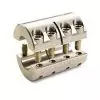
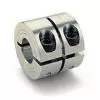 Short Rigid Couplings
 Controlflex Couplings
 Jaw Couplings
 Oldham Couplings
 Bearing Locknuts – TCN
 Double Wide Shaft Collars
 Heavy Duty Shaft Collars
 International Series Shaft Collars
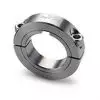 Keyed Shaft Collars
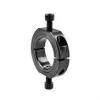 Mountable Shaft Collars
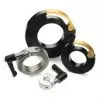 Quick Clamping Shaft Collars
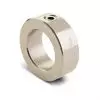 Set Screw Shaft Collars
 Thin Line Shaft Collars
 Threaded Shaft Collars – Pacific International Bearing Products
 Two-Piece Shaft Collars
 Friction Bearing Universal Joints
 Needle Bearing Universal Joints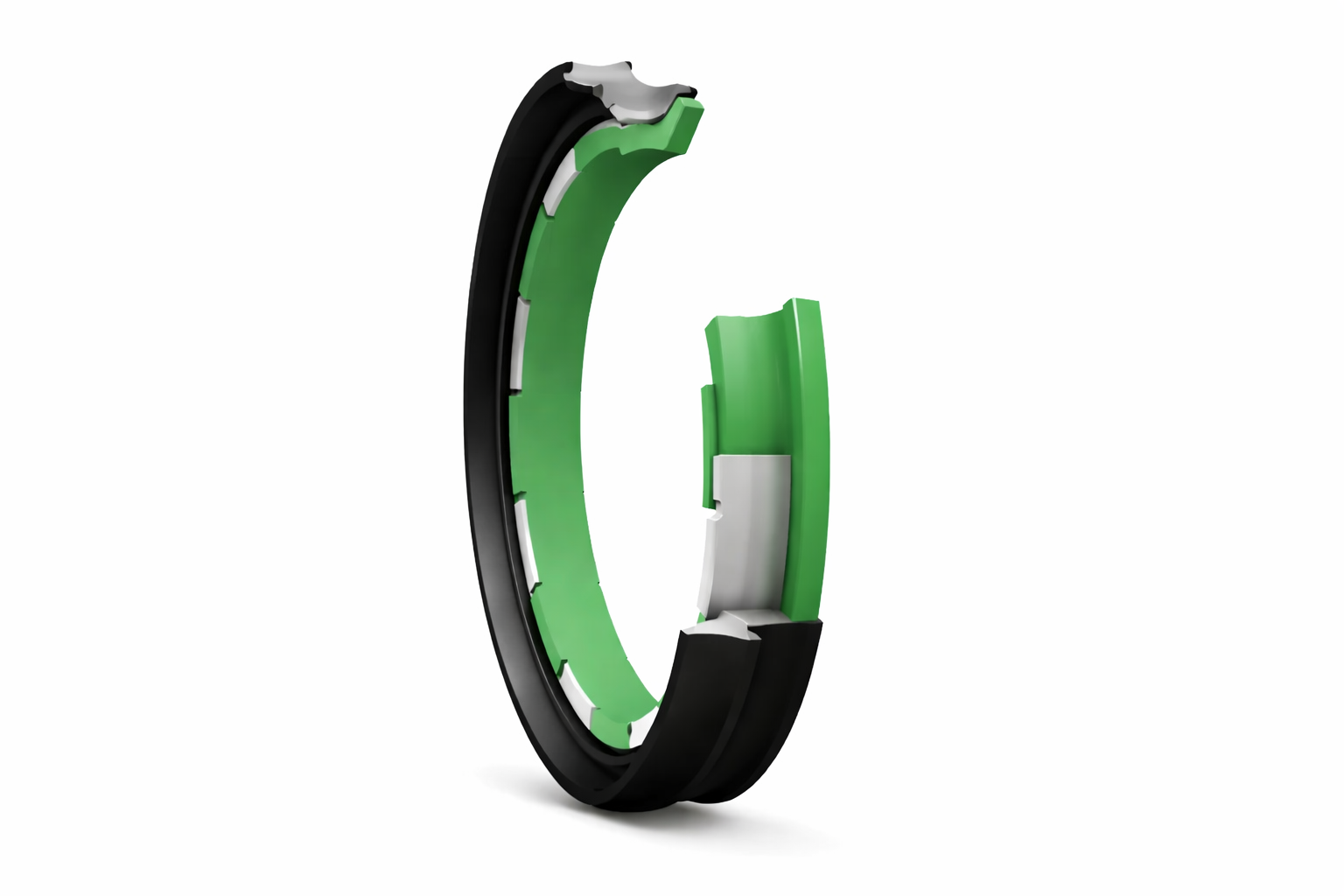
Bearings
Track Pin Seals
11 March, 2026
14 min read
Track pin seals protect oil‑lubricated track chain joints by sealing oil between the pin and bushing while blocking grit and water. Built as polyurethane sealing rings with nitrile energizers (and a reinforced heavy‑duty option), they reduce internal pin/bushing wear and extend undercarriage life. Pacific International Bearing Sales can help size, cross‑reference, and supply the right seal.
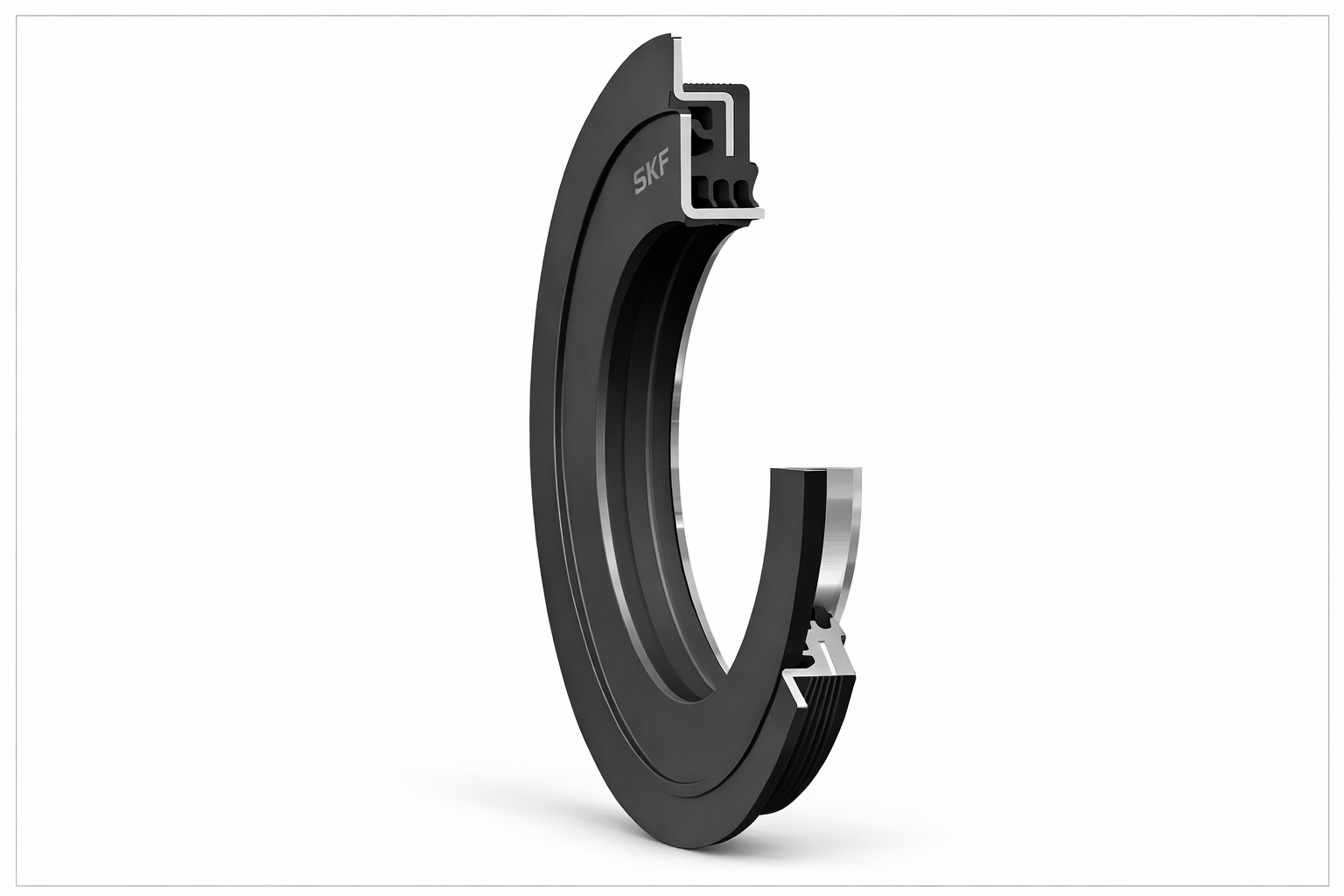
- SKF Trackstar track pin seals are purpose-built for oil‑lubricated track chains in off‑highway equipment and are installed on the track pin between two chain links.
- The TP design combines a polyurethane sealing ring and nitrile rubber energizer; ribs on the seal ID help oil pass to support lubrication.
- The TPM heavy‑duty design adds a metal reinforcement ring for extra rigidity in severe conditions; SKF also notes a fibre‑reinforced, high‑wear‑resistance polyurethane sealing element.
- Details matter: the seal works with an OEM spacer ring that maintains squeeze space and uses oil galleys for lubrication — selection should be dimension-driven, not “close enough.”
- PIB can support whole-system reliability and complementary bearing solutions at the online bearing shop.
Track pin seals solve a very specific, very expensive problem: keeping track chain joints lubricated while operating in abrasive, wet, impact-heavy environments. SKF’s Trackstar track pin seals are designed for oil‑lubricated track chains in off‑highway applications and are installed on the pin that connects links in the chain.
What makes them different from a generic “rubber ring” is the architecture. The standard TP design uses a polyurethane sealing ring with a nitrile rubber energizer. The sealing ring retains oil between the pin and bushing and excludes contaminants, while the energizer provides static sealing. SKF also adds functional ribs on the seal inside diameter so oil can pass to provide lubrication.
For harsher conditions, SKF offers the TPM heavy‑duty version with a metal reinforcement ring molded into the polyurethane sealing ring to increase rigidity. SKF describes the sealing element as a special fibre‑reinforced, high‑wear‑resistance polyurethane material, with an SKF‑developed energizer compound that loads the sealing ring appropriately and supports contamination protection via a passive sealing surface.
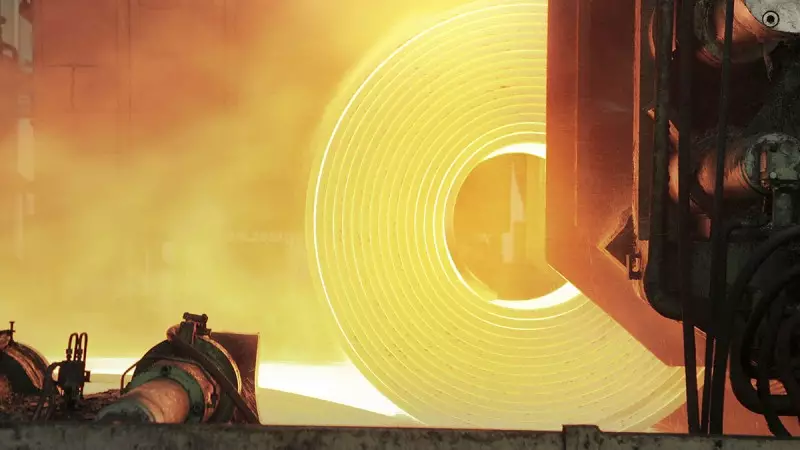
From a cost and uptime perspective, the value of a correct seal choice shows up as reduced internal pin/bushing wear, longer undercarriage life, and fewer “dry joint” scenarios associated with lubricant loss. Caterpillar’s guidance on sealed and lubricated track joint life highlights that losing lubricant and seal life can lead to premature dry joints, especially under impact and end play conditions.
What Track Pin Seals Are and Why They Matter
Track pin seals are sealing elements used in oil‑lubricated track chains to keep lubricant inside the pin‑and‑bushing interface while preventing dirt, slurry, and water from entering the joint. SKF’s Trackstar track pin seals are installed on the pin connecting a pair of chain links.
In practical terms, they protect the “inside wear” that you can’t see until you feel it: looser joints, accelerated pitch change, and an undercarriage that starts consuming budget faster than planned. SKF explicitly positions these seals as undercarriage life extenders and lists reduced internal bushing and pin wear as a key benefit.
Caterpillar’s undercarriage guidance helps explain the failure chain. In sealed and lubricated track joints, high impact and end play can allow loss of lubricant; once lubricant and seal life drop, you get premature “dry joints.”
Design and Materials
How SKF Trackstar seals are built
SKF describes two Trackstar designs:
The TP (basic) Trackstar seal uses a polyurethane sealing ring and a nitrile rubber energizer. The sealing ring retains oil and excludes contaminants; the energizer provides static sealing. SKF also adds ribs on the seal inside diameter to enable oil flow that supports lubrication.
For severe conditions, the TPM (heavy-duty) version incorporates a metal reinforcement ring molded into the polyurethane sealing ring to add rigidity.
The spacer ring is part of the sealing system
A track pin seal is not a standalone “seal goes in hole” component. SKF notes that both Trackstar designs are installed on a spacer ring provided by the undercarriage manufacturer. That spacer ring’s job is to keep the required space for the seal when it is squeezed between the link and bushing, and it includes oil galleys that let oil pass for optimal lubrication of the main sealing lip.
This matters for selection and troubleshooting: if the spacer ring is wrong, damaged, or blocked, the seal may be fine and the joint may still suffer.
Materials, explained like you’re buying uptime
SKF calls out the sealing element as a special fibre‑reinforced, high‑wear‑resistance polyurethane material, and states the rubber energizer compound is developed by SKF to provide optimal load to the polyurethane sealing ring.
If you’re wondering “why polyurethane,” SKF’s materials guidance for polyurethane families emphasizes strong friction/wear characteristics and pressure resistance in polyurethane formulations (in general sealing contexts).
Features that are easy to overlook
SKF notes two design decisions that are very maintenance-friendly:
The seal design ensures the seals do not rotate during operation, which SKF says prolongs lifetime. SKF also engineered an integrated mounting lip feature in the rubber element for easy and safe mounting and suitability for robotized mounting.
Performance Advantages and Common Applications
SKF’s Trackstar seals are designed for oil‑lubricated track chains in off‑highway applications. SKF also highlights them in the context of dozers as a way to provide efficient sealing and improved reliability for oil‑lubricated track chain pins.
From SKF’s own feature set, the benefits are straightforward and business-relevant:
Extended service life of the undercarriage, reduced internal bushing and pin wear, easy installation, and interchangeability with commonly used sealed and lubricated track pin seals.
Where you typically see the payback:
- Equipment working in abrasive soil, sand, demolition debris, quarry fines, or wet clay—where contamination pressure is constant.
- High-impact duty cycles (dozing, ripping, steep terrain) where joint “opening up” can contribute to lubricant loss risk.
If you’re building an undercarriage reliability plan (or you’re tired of surprise track press work), PIB’s value is in treating the seal as part of a system: sealing at online catalog.
Selection, Installation, Maintenance, and Troubleshooting
What to measure and why
SKF’s product table is organized around dimensions that correspond to how the seal interfaces with the joint:
d1 (spacer ring outside diameter), D (bore diameter, nominal/max with tolerance), B1 (operating width with tolerance), and d2 (lip diameter).
The maintenance lesson: don’t shop by a single number. Track joints are tolerance stacks.
Installation tips that prevent “we did it twice” outcomes
This article assumes you’re working from OEM undercarriage procedures—because the spacer ring and joint squeeze are OEM-defined. That said, SKF’s design intent points to best practices that are universal:
Clean assembly matters because the seal’s job is to stop contamination; assembling it with debris is basically starting with a handicap. SKF emphasizes contamination exclusion as a core requirement and designs the TP seal to exclude contaminants while maintaining oil retention.
Protect the lubrication path. Since oil galleys in the spacer ring enable oil flow for lubricating the main sealing lip, anything that restricts these galleys (packed mud, metal burrs, misassembled spacer) can reduce lubrication at the sealing interface. This is a direct inference from SKF’s description of how the spacer ring supports lubrication.
Troubleshooting in the field
If a track joint starts acting “dry” prematurely, you’re usually looking at some combination of:
- Lubricant loss driven by end play “opening up” under impact (Caterpillar calls this out as a driver of losing lubricant and seal life, leading to premature dry joints).
- The wrong design choice for severity (TP used where TPM reinforcement would better resist severe operating conditions).
- Spacer ring issues (wrong ring, damaged ring, blocked oil galleys) undermining the lubrication path the seal expects.
When it’s not obvious, treat it like a system diagnosis—not a parts swap. That’s where PIB’s application support is designed to help: [CATEGORY_URL]/oem-services/engineering-support.
Comparing Alternatives and Making the ROI Case
Track pin seals vs “other seals”
Track pin seals are purpose-built for oil‑lubricated track chains, which already narrows the field. SKF places Track pin seals within axial shaft seals and separately lists other axial sealing solutions like metal face seals and V‑rings, which are commonly used in different locations and geometries across heavy equipment.
A simple way to think about it:
- Track pin seals: joint-level sealing for track pins/bushings to keep internal lubrication in and contaminants out.
- Metal face seals: frequently used in rolling/rotating assemblies where face-to-face sealing is needed under contamination (different application envelope).
- V-rings: often work as excluders/flingers and are commonly used as secondary contamination control rather than a sealed track joint solution.
ROI, explained with a before-and-after you can recognize
Before (common pain pattern): A seal is damaged or the joint opens up under impact. Lubricant escapes, seal life declines, and you start developing dry joints. Caterpillar describes this mechanism in sealed and lubricated track joints: higher impact and wider shoes can increase the chance of a pressed track joint “opening up,” allowing loss of lubricant; lubricant loss occurs with bushing sliding along the pin, creating end play; the result can be premature dry joints.
After (what “good” looks like): A properly selected TP or TPM Trackstar seal, installed on the correct spacer ring with clear oil galleys, retains oil, excludes contaminants, and supports lubrication through the ribbed ID and spacer-ring oil-galley path. SKF directly links this three-part system approach to longer seal life, longer track life, and reduced maintenance cost.
If you want a KPI you can track without overthinking it: monitor joint condition and service interval stability — i.e., are you getting predictable life, or are you still reacting to surprise dry joints and premature chain work?
Specifications and FAQ
Representative specifications table
The table below summarizes common SKF Trackstar part numbers and the key sizing details SKF publishes. Values are representative and should be verified against the specific undercarriage OEM design (especially spacer ring geometry and joint squeeze).
| SKF example part number | Spacer ring OD d1 (mm) | Bore diameter D max (mm) | D tolerance | Operating width B1 (mm) | B1 tolerance | Lip diameter d2 max (mm) |
| TP 33.2×47.3×11.8 | 33.22 | 47.88 | ±0.25 | 8.38 | ±0.25 | 40.01 |
| TP 42.0×59.1×12.8 | 41.86 | 59.77 | ±0.25 | 9.25 | ±0.25 | 50.04 |
| TPM 46.3×62.3×14.3 | 45.69 | 62.99 | ±0.03 | 10.69 | ±0.25 | 54.71 |
| TP 54.9×72.4×14.8 | 54.99 | 72.75 | ±0.25 | 10.80 | ±0.25 | 64.19 |
| TP 63.2×83.1×19.3 | 63.14 | 83.74 | ±0.25 | 15.49 | ±0.25 | 73.66 |
| TP 80.8×105.8×15.9 | 80.72 | 106.20 | ±0.13 | 11.10 | ±0.25 | 92.53 |
FAQ
Are track pin seals the same thing as a “roller seal” or “final drive seal”?
No. Track pin seals are designed for oil‑lubricated track chain joints and install on the track pin connecting chain links. Other seals (including metal face seals and other axial seals) often serve different assemblies and geometries.
What’s the difference between TP and TPM?
TP is the basic Trackstar design (PU sealing ring + NBR energizer). TPM is the heavy‑duty version that adds a metal reinforcement ring molded into the polyurethane ring for additional rigidity in severe operating conditions.
Why do these seals use polyurethane + a rubber energizer instead of “all rubber”?
SKF describes the sealing element as a special fibre‑reinforced, high‑wear‑resistance polyurethane material and the energizer compound as SKF‑developed to apply optimal load for static sealing and contamination protection via a passive sealing surface.
What installation detail most often gets missed?
Treating it like a standalone gasket. SKF notes the seal installs on an OEM spacer ring whose job is to preserve the required space and provide oil galleys for lubrication. If the spacer ring is wrong, damaged, or blocked, performance can suffer even with the right seal.
If you’re rebuilding track chains, chasing joint leaks, or trying to stop “dry joint” failures before they start, PIB can help you select the right Trackstar TP vs TPM option and confirm the sizing details against your undercarriage hardware. Shop through the PIB online catalog, or escalate application questions to [email protected].