Your cart is empty
 Short Rigid Couplings
 Controlflex Couplings
 Jaw Couplings
 Oldham Couplings
 Bearing Locknuts – TCN
 Double Wide Shaft Collars
 Heavy Duty Shaft Collars
 International Series Shaft Collars
 Keyed Shaft Collars
 Mountable Shaft Collars
 Quick Clamping Shaft Collars
 Set Screw Shaft Collars
 Thin Line Shaft Collars
 Threaded Shaft Collars – Pacific International Bearing Products
 Two-Piece Shaft Collars
 Friction Bearing Universal Joints
 Needle Bearing Universal Joints
Tutorials
Principles of Sealing Selection and Application
04 February, 2026
17 min read
Power transmission seals are essential to keeping industrial machinery running smoothly. They prevent contaminants from entering, retain lubricants in the system, and maintain pressure between moving components – all of which enhances the reliability, longevity, and efficiency of equipment. At PIB, we offer a full range of high-quality seals engineered for demanding applications across industries. These seals not only prevent leaks but also reduce friction and energy loss, ensure optimal lubrication, and protect critical components from damage.
Key Takeaways:
- Primary seal functions: Seals retain lubricants, exclude contaminants, separate different fluids or gases, and provide effective sealing under pressure in rotating equipment.
- Material selection: Choosing the right seal material (e.g. various rubbers, elastomers, PTFE plastics) is critical for performance in extreme conditions such as high temperature, high pressure, or exposure to harsh chemicals.
- Comprehensive testing: Quality seals undergo extensive testing to ensure they are durable, resilient, and compatible with the media (oils, greases, etc.) they contact in operation.
- Application specificity: PIB offers a variety of seal types – from radial shaft seals and cassette seals to V-rings and mechanical face seals – each designed for specific operating conditions like high speed, heavy contamination, or high pressure.
- Expert guidance: Selecting the optimal seal can be complex. PIB provides expert guidance to help you choose the right seal based on factors like temperature, speed, pressure, and media compatibility. (For a complete selection of seals, you can also browse PIB’s online catalog.)
Understanding Shaft Seals: The Heart of Power Transmission Systems
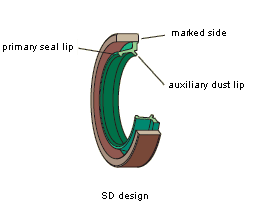
Shaft seals (often called oil seals or rotary seals) are used to close the gap between a rotating component (like a shaft) and a stationary component (like a housing). Their design allows them to operate with minimal friction and wear under a range of operating conditions. These unassuming parts are fundamental to the effective performance of machinery: a proper shaft seal keeps lubrication where it’s needed and contamination where it’s not. From pumps and turbines to gearboxes and hydraulic systems, seals ensure these machines run reliably without premature failures.
Key functions of seals: Industrial seals perform several critical functions to maintain machine health:
Retaining lubricants
A primary role of any seal is to keep lubricating oil or grease inside the system. By retaining lubricants around bearings and other moving parts, seals reduce friction and wear. This is especially crucial in high-speed or high-pressure environments where loss of lubricant would quickly lead to overheating or damage.
Excluding contaminants
Seals also keep external contaminants out of the system. Dirt, dust, moisture, and debris can wreak havoc on precision components. A good seal acts as a barrier, preventing abrasive particles or water from entering bearings, gears, and other sensitive parts. This contamination control significantly extends the life of components.
Separating different media
In some machinery, seals separate two different fluids or gases within adjacent chambers. For example, a seal might keep gear oil on one side while keeping water or another fluid on the other. By preventing intermixing of media, seals avoid operational issues and maintain the intended performance of each medium.
Sealing under pressure
Many systems (hydraulic pumps, compressors, etc.) involve pressurized fluids. Seals in these applications must withstand internal pressures without allowing leaks. A high-quality seal maintains a tight closure even when subjected to significant pressure differentials, ensuring the system retains pressure and operates safely.
Selecting the Right Seal for Your Application
Choosing the correct seal for a power transmission system is critical. The “right” seal depends on the machine’s operating conditions and environment. A seal that performs well in one scenario might fail in another, so understanding your application’s demands is key. PIB offers an extensive range of industrial shaft seals with hundreds of designs and material combinations, because each scenario – temperature extremes, high speeds, chemical exposure, etc. – may call for a different solution. Our goal is to ensure you get a seal that provides the best performance and lifespan for your specific needs.
When evaluating seals, consider the following factors:
- Temperature & speed: What temperatures will the seal experience, and how fast will the shaft be rotating? Seals are rated for certain temperature ranges and surface speeds. Some materials and designs withstand heat or cold better than others, and certain seal designs are optimized for high RPM without overheating or wearing out. Always choose a seal that comfortably meets or exceeds the temperature extremes and rotational speeds of your application.
- Pressure resistance: If your application involves pressure (for instance, a hydraulic system or gearbox), ensure the seal can handle the typical and peak pressures without deforming or failing. Standard radial lip seals are usually for moderate pressures, while specialized designs (or adding backup rings) are needed for high-pressure sealing. Selecting a seal with the appropriate pressure rating guarantees reliable, leak-free operation.
- Media compatibility: Identify the fluids, oils, greases, or chemicals the seal will contact. The seal’s material must be compatible with these media. For example, some rubbers swell or degrade in certain oils or solvents, while others are formulated to resist them. Using a seal made from a compatible material (nitrile, fluorocarbon, PTFE, etc.) prevents premature deterioration. A properly chosen material will remain intact and elastic when exposed to your system’s lubricants or any process fluids.
By weighing all these factors, you can narrow down the best seal options for your equipment. Remember, PIB’s expert team is always available to help guide you through this selection process. We understand the nuances of different sealing solutions and can recommend the ideal design and material for your specific operating conditions.
Suggested image: An engineer examining several types of seals on a table, emphasizing the process of selecting the correct seal for an application.
Materials Matter: Seal Composition and Compatibility
The material from which a seal is made directly affects its performance characteristics. PIB’s seals are manufactured from a variety of high-performance materials, each chosen to meet rigorous industrial demands. Selecting the proper material ensures the seal will hold up in your operating environment without cracking, melting, or losing elasticity. Here are some common seal materials and their advantages:
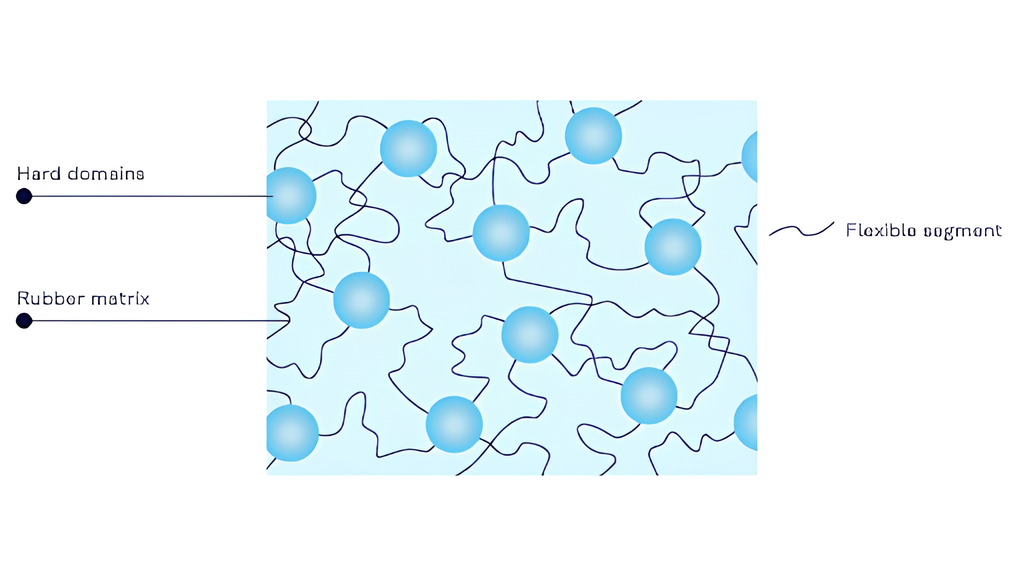
- Rubber elastomers (Nitrile, Fluorocarbon, etc.): Flexible synthetic rubbers like NBR (nitrile) and FKM (fluorocarbon/Viton®) are widely used for seals. Nitrile rubber performs well with oils and has good wear resistance at moderate temperatures, making it ideal for many automotive and industrial applications. Fluorocarbon rubber handles higher temperatures and offers excellent chemical resistance (for example, in high-heat engine environments or exposure to aggressive fluids). These rubber seals provide a good balance of flexibility and durability.
- Thermoplastic elastomers (TPE):
TPE materials combine the elastic properties of rubber with the processing advantages of plastics. They exhibit excellent abrasion and wear resistance and a low compression set (meaning they maintain their shape under load). TPE seals can perform in a wide temperature range and are often used when standard rubbers might wear out too quickly. - Polytetrafluoroethylene (PTFE): PTFE is a fluoropolymer known for its extremely high temperature tolerance and chemical inertness. Seals made from PTFE (often known by the brand name Teflon®) can endure harsh chemicals, high pressures, and temperatures that would damage typical rubber seals. PTFE also has a very low coefficient of friction, which can be advantageous in reducing wear. These seals are common in chemical processing equipment or other extreme environments where other materials wouldn’t last.
- Engineering plastics (e.g., PEEK): High-performance plastics such as PEEK (Polyetheretherketone) are used in certain specialized seals or seal components. PEEK can withstand very high temperatures and is highly resistant to chemicals and wear. It’s used when an application pushes beyond the limits of more common materials – for instance, in some oil & gas or aerospace sealing solutions.
- Polyurethane: This tough elastomer material is prized for its outstanding abrasion and tear resistance. Polyurethane seals are often found in heavy-duty applications like off-highway equipment, where they must survive constant exposure to dirt, mud, and high mechanical stress. They maintain a good seal under pressure and are very resilient against wear, which is why polyurethane elements are used in seals for excavators, dozers, and other construction machinery.
Each material has its niche. The operational environment – including temperature extremes, pressure, speed, and the media being sealed – will dictate which material is best. PIB ensures a broad selection of materials so that your seal will be perfectly matched to your application’s demands.
Rigorous Testing and Performance Validation
Quality seals must perform reliably over long periods, so testing is a vital part of seal development and selection. At PIB, every seal design undergoes extensive testing and quality assurance to ensure it meets industry standards (and our own high standards) for performance. This gives you confidence that the seal will hold up in the field. Common testing and evaluation methods include:
- Durability testing: Seals are run for thousands of hours under simulated real-world conditions to evaluate how well they withstand long-term use. This testing looks for signs of wear, fatigue, or material degradation over time, ensuring the seal won’t fail early in its service life.
- Contaminant exclusion testing: Here we verify that a seal effectively keeps dirt, dust, water, and other contaminants out. The seal may be exposed to gritty or wet environments while in operation to confirm that it continues to protect internal components. A good seal should maintain a contaminant barrier even as it wears.
- Pressure and friction testing: Seals are tested under various pressure levels and speeds to ensure they can handle the extremes of your application. This includes measuring how much friction the seal generates (affecting heat and wear) and confirming it can hold pressure without leaking. Optimizing the seal design often involves balancing low friction with strong sealing force, and these tests find that balance.
- Material compatibility testing: The seal’s material is exposed to the actual lubricants, fuels, chemicals, or other media it will encounter in service. This testing makes sure the material doesn’t swell, crack, or soften when in contact with those substances. It’s a crucial validation step for seals used in chemically aggressive or sensitive environments.
Through rigorous testing, any design weaknesses are identified and improved before the seals reach you. We partner with industry leaders and leverage advanced testing facilities to continually refine our seals. The result is a sealing product you can trust even in the most demanding industrial environments.
Common Seal Types, Applications, and Features
Industrial seals come in various designs, each suited to particular functions and operating conditions. Below is an overview of some primary seal types that PIB provides, along with their typical materials, ideal use cases, and key features:
| Seal Type | Common Materials | Typical Applications | Key Features |
| Radial Shaft Seals | Nitrile rubber; Fluorocarbon (FKM) elastomer | High-speed rotating shafts in pumps, motors, gearboxes, turbines | Low-friction lip design; retains oil/grease; excellent wear resistance and flexibility at various temperatures. |
| Cassette Seals | Elastomer (rubber) with Polyurethane elements | Contaminated environments: e.g. wheel hubs, agricultural and construction machinery | Multi-lip configuration with an integrated wear sleeve for superior dirt exclusion and extended life. |
| V-Ring Seals | Nitrile rubber or Viton® (FKM) | General industrial rotary applications as secondary seals or dust barriers on shafts | All-rubber seal that stretches over the shaft; the flexible “V” lip lightly contacts a surface to fling away dirt and moisture; accommodates misalignment and shaft movement. |
| Metal Face Seals (Mechanical Face Seals) | Hardened steel or cast iron rings with elastomer O-rings | Heavy-duty machinery (tracked vehicles, mining equipment, final drives, etc.) operating in extremely harsh, abrasive conditions | Two precision metal sealing rings press together on their flat faces with a spring/rubber loading system; extremely robust seal that withstands shock, high pressure, and abrasive mud or sand; very long service life. |
| Track Pin Seals | Nitrile rubber; Polyurethane | Crawler track chain pins in bulldozers, excavators and other tracked equipment | A form of axial seal that keeps grease in the track pins and dirt out; designed to handle constant vibration and pounding; highly resistant to wear and debris. |
(The above table highlights some of the seals available through PIB and their ideal applications. By selecting the appropriate type, you ensure optimal protection and performance for your machinery.)
Frequently Asked Questions about Sealing Solutions
What are power transmission seals?
A: Power transmission seals are devices used in rotating machinery to protect the components (such as bearings and gears). They prevent lubricants from leaking out and stop contaminants from entering the machinery. In doing so, they help improve overall system reliability and prolong the life of the equipment.
How do power transmission seals work?
A: These seals are installed in the gap between a rotating part (like a shaft) and a stationary part (like a housing). The seal’s lip or sealing element creates a tight barrier against the shaft. As the shaft spins, the seal keeps oil or grease inside the system while blocking external dust, dirt, or moisture from getting in.
Why is the seal material selection important?
A: Choosing the proper material for a seal is critical because the material must withstand the specific conditions of your application. Factors like operating temperature, system pressure, and exposure to oils, fuels, or chemicals can all influence a seal’s performance. The right material will resist degradation (such as swelling, cracking, or hardening) in those conditions, ensuring the seal remains effective over time and does not fail prematurely.
How are seals tested for performance and quality?
A: Seals are rigorously tested through various methods before they are approved for use. Manufacturers conduct long-duration durability tests to simulate years of operation, pressure tests to ensure they won’t leak under operating pressures, and contaminant exclusion tests to confirm they keep out dirt and liquids. Materials are also tested for compatibility with any fluids or chemicals they will contact. All of this testing ensures that a seal will perform reliably in real-world service.
What are the primary types of seals used in power transmission systems?
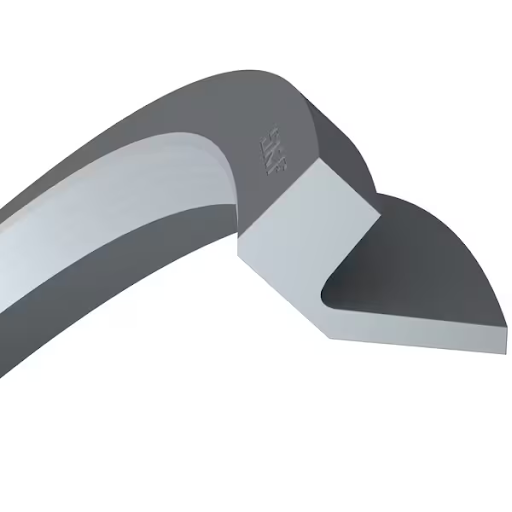
A: The most common seal types include radial shaft seals, cassette seals, V-ring seals, metal face seals, and track pin seals. Each type is designed for different uses and environments.
For example, radial shaft seals are general-purpose seals for rotating shafts, cassette seals are built for dirty, harsh conditions (often with multiple sealing lips), V-ring seals are simple rubber rings that keep dust and splashes away as secondary seals, metal face seals (also known as heavy-duty mechanical face seals) are used in extremely abrasive and heavy-load situations like bulldozer track drives, and track pin seals are specialized for keeping lubrication in the pins of crawler tracks. By selecting the appropriate type, you can effectively address the specific challenges of your equipment.
Ready to Secure Your Equipment?
Effective sealing is critical to the performance and longevity of your industrial equipment. By understanding the principles of seal selection and application, you can prevent costly downtime, reduce maintenance needs, and keep your machinery running at peak efficiency. Don’t leave these essential components to chance.
Ready to choose the perfect seal for your needs? Reach out to PIB for expert guidance in selecting and sourcing the ideal seal solution. With our extensive product range and knowledgeable team, we’ll help you find the right seal every time. Protect your equipment and ensure reliable operation – contact PIB or browse our online catalog today to get started on improving your machinery’s performance and reliability.